April 2026 / Iyar 5786
From Nora’s Desk:
Reflections from the Head of School
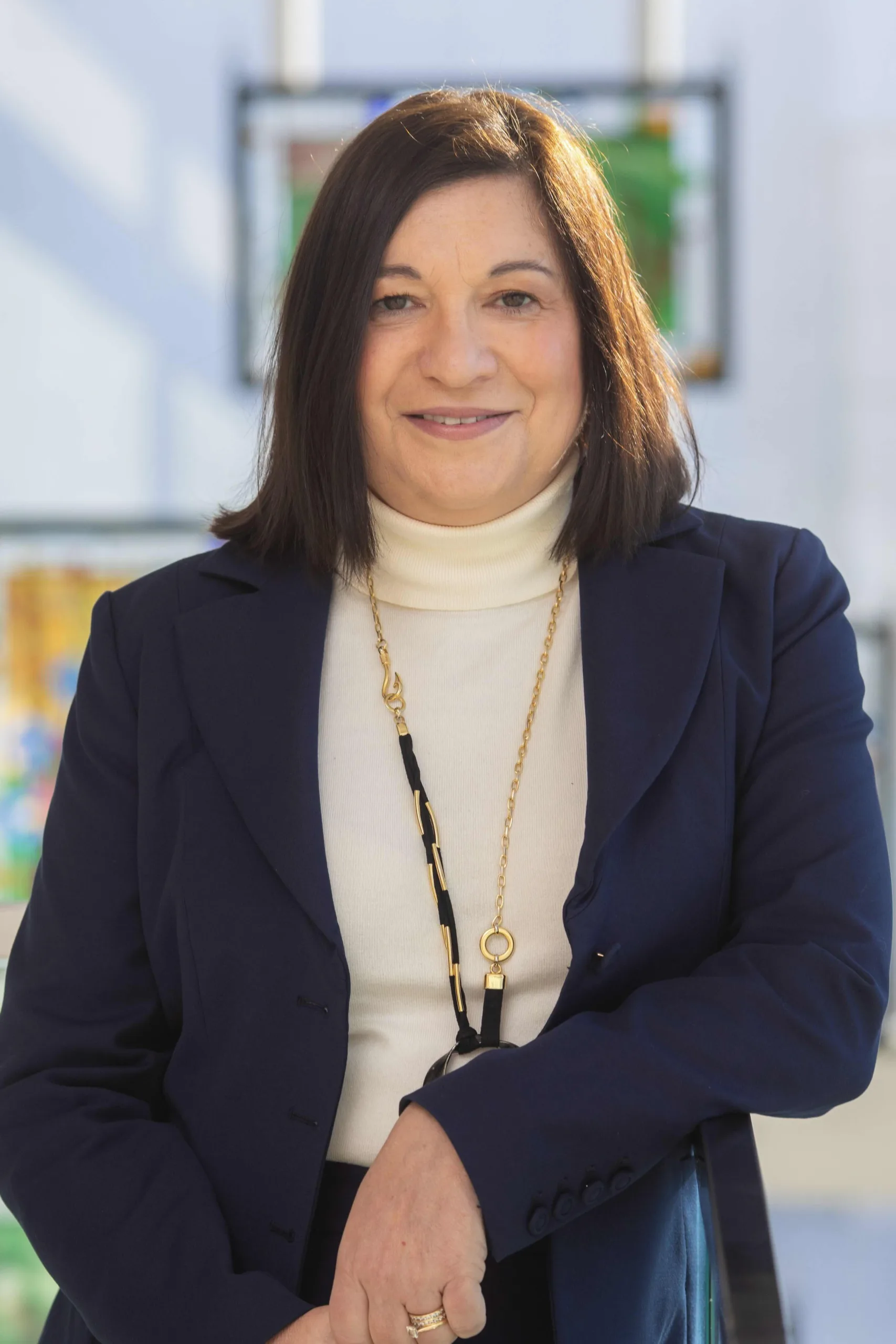
I hope you all had a restful and meaningful spring break. It was wonderful to return to school and jump right back into such a full stretch of the year. It’s hard to believe how quickly we are approaching the finish line!
We recently celebrated Passover together. Students participated in hands-on activities that helped bring the holiday to life, learning about the symbolic foods and key parts of the seder in a meaningful way. It was a special opportunity for students to connect to the traditions, history, and values of the holiday.
Our Book Fair was another recent highlight. Students had so much fun dressing up as their favorite book characters, and we were especially fortunate to host author Zoe Chin Loy, whose visit inspired our students and deepened their connection to storytelling.
We also marked Yom HaShoah with great care and intention. Students in grades 3–5 participated in our school’s Holocaust Remembrance Day program, coming together as a community to remember and honor those who were affected. Fifth-grade students have been engaged in a dedicated Judaic Studies unit on the Holocaust, where they explored its historical impact and examined the dangers of prejudice and discrimination. Through individual stories of resistance and survival, students also learned about compassion, moral courage, and resilience.
Thank you to those who joined my Cooking with Nora events. It was a meaningful and joyful experience for our community, giving families the chance to come together, share recipes, and connect through food and tradition. I look forward to continuing to take advantage of opportunities like this to bring our community together.
The year is flying by, but there is still so much ahead in the coming weeks. As we prepare to observe Yom HaZikaron and celebrate Yom HaAtzmaut, we will also begin focusing on the middah of the month, rodef shalom, pursuing peace. It is a powerful value to carry with us as we close out the year, reminding us of the importance of kindness, understanding, and community.
Please also mark your calendars for our annual Teacher Appreciation Shabbat on Friday, May 1, which will also include our fifth-grade Shabbat. This is a special time to recognize and celebrate our incredible teachers and staff, whose dedication, care, and hard work make such a difference in our students’ lives each day. We look forward to coming together as a community to show our appreciation.
Shabbat Shalom!
Middah of the Month
רוֹדֵף שָׁלוֹם (Rodef Shalom) Pursuing Peace
Working together to unite our world.
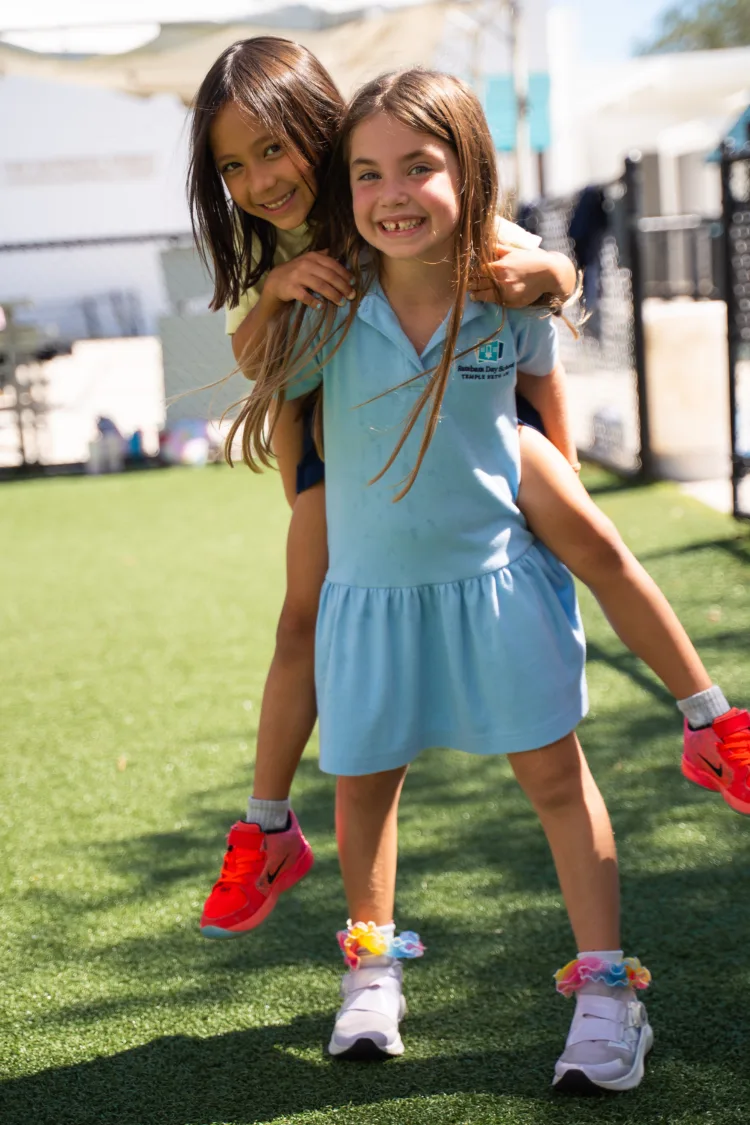
This month, students are exploring the middah of Rodef Shalom, the call to actively pursue peace in their relationships, communities, and the world around them. Through meaningful conversations and real-life applications, students are learning that peace is not passive. Being a rodef shalom means taking initiative, working through challenges with patience, humility, and a genuine willingness to listen and understand others. It’s about resolving conflicts constructively, using dialogue and empathy to move toward reconciliation and mutual respect.
Students are also discovering that true peace goes beyond avoiding conflict. It requires creating environments rooted in kindness, cooperation, and fairness, where every individual feels safe, valued, and heard. By acting with integrity and embracing opportunities to repair relationships, students are building the skills to navigate disagreements in thoughtful and respectful ways.
Perhaps most importantly, they are learning that peace is an ongoing commitment. Through forgiveness, reflection, and intentional action, our students are stepping into their roles as peacemakers, at school, at home, and in the broader community. By living out Rodef Shalom, they help shape a more compassionate, just, and unified world, one interaction at a time.
English Language Arts / Social Studies
Discovering the World with 2nd Grade
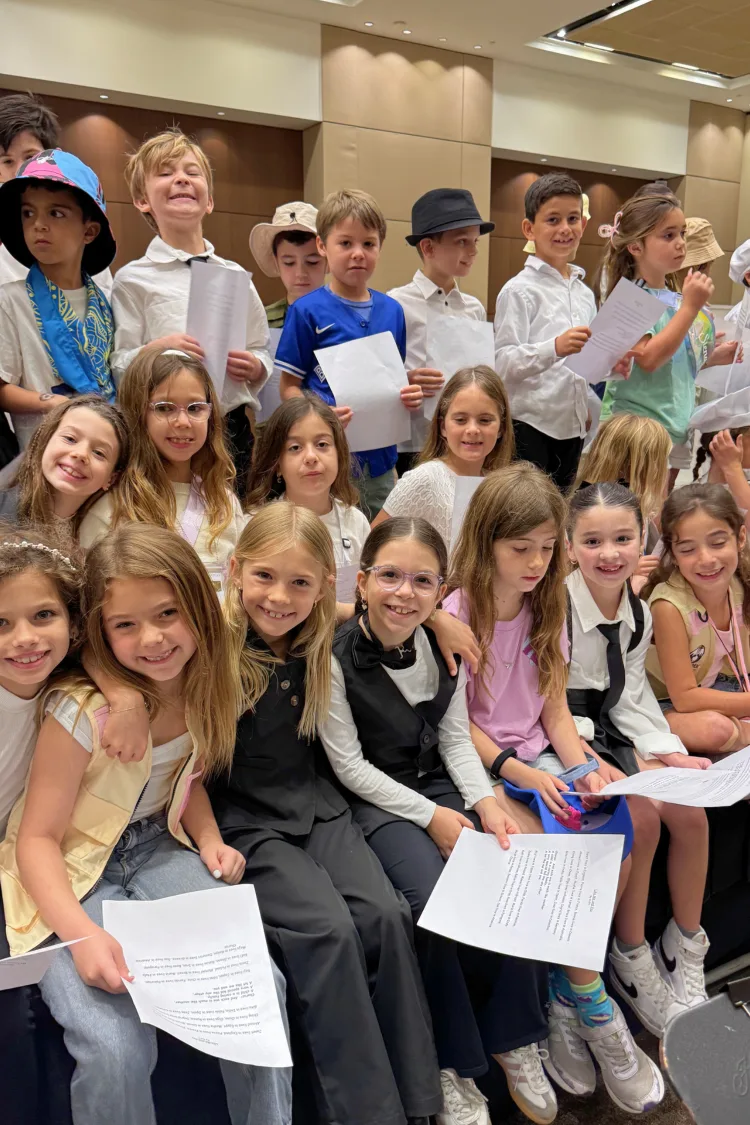
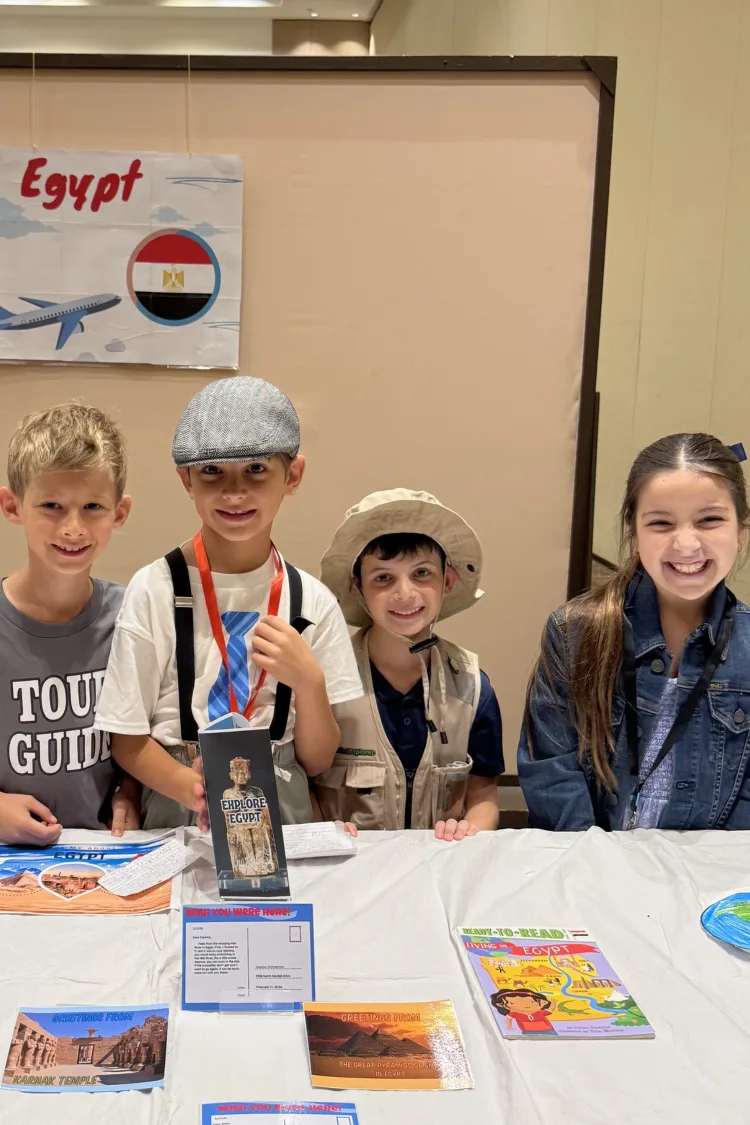
Second-grade students took families and guests on a journey around the globe at their vibrant World’s Fair, an immersive showcase of learning, creativity, and growth.
Each student became an expert on a different country, stepping into a variety of roles including politicians, educators, chefs, tour guides, and performers. Through research and writing, students developed a deeper understanding of their assigned country and crafted informational paragraphs to share their knowledge with visitors. Students also wrote postcards home, imagining themselves abroad and reflecting on their experiences from the perspective of a traveler.
The World’s Fair was a true celebration of both academic and creative expression. Students confidently presented their work to parents and guests, sharing insights and engaging in meaningful conversations about their countries. The event culminated in a joyful musical performance, as the entire grade came together in song.
Kol hakavod to our second-grade students and teachers for their creativity, dedication, and the incredible growth on display! The World’s Fair was a powerful reflection of how meaningful, hands-on learning can inspire curiosity, confidence, and connection.
MATH
Breaking Down Numbers with 1st Grade
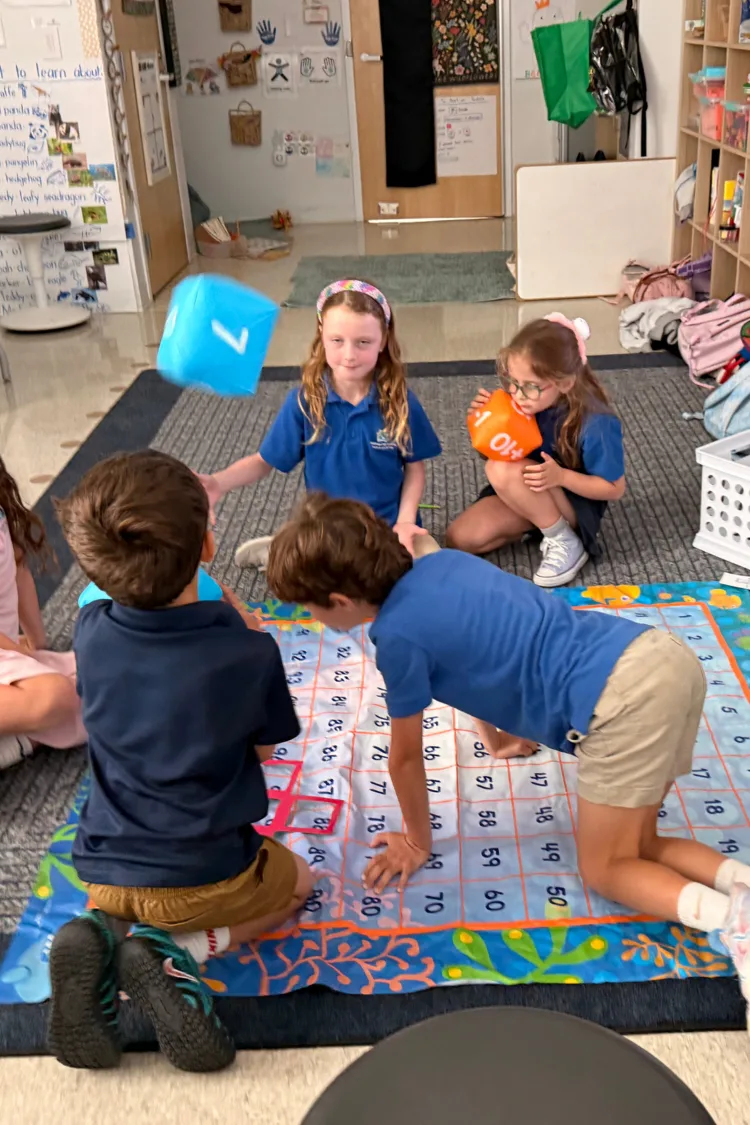
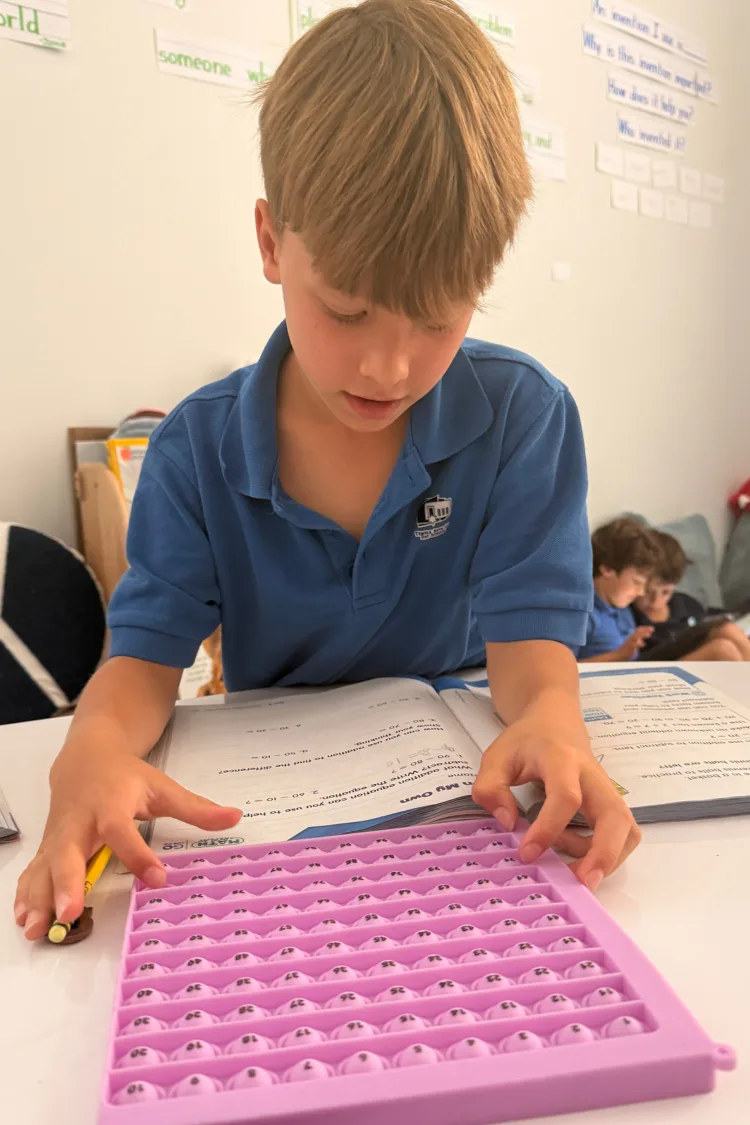
First graders are strengthening their understanding of subtraction by exploring the power of place value.
By visualizing two-digit numbers as groups of tens and ones, students are learning to think more deeply about how numbers work. Using hands-on tools like base-ten blocks, they physically remove a “ten” when subtracting multiples of ten, helping them see how the tens place changes while the ones place stays the same.
This concrete approach allows students to move beyond simple counting and begin recognizing patterns within the number system. As they build, break apart, and manipulate numbers, they are developing a stronger sense of how math works.
Through this foundational work, our first graders are building confidence and fluency—gaining the tools they need to approach math with understanding, flexibility, and curiosity.
STEM Spotlight:
5th Graders, Future Surgeons at Work
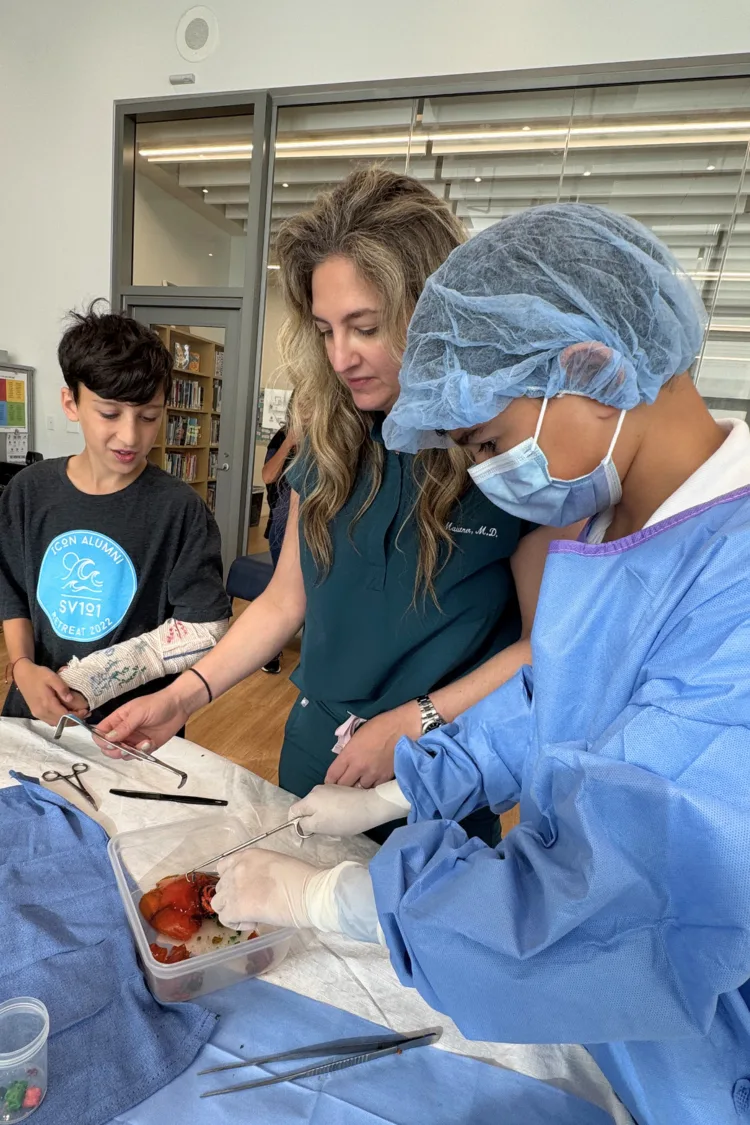
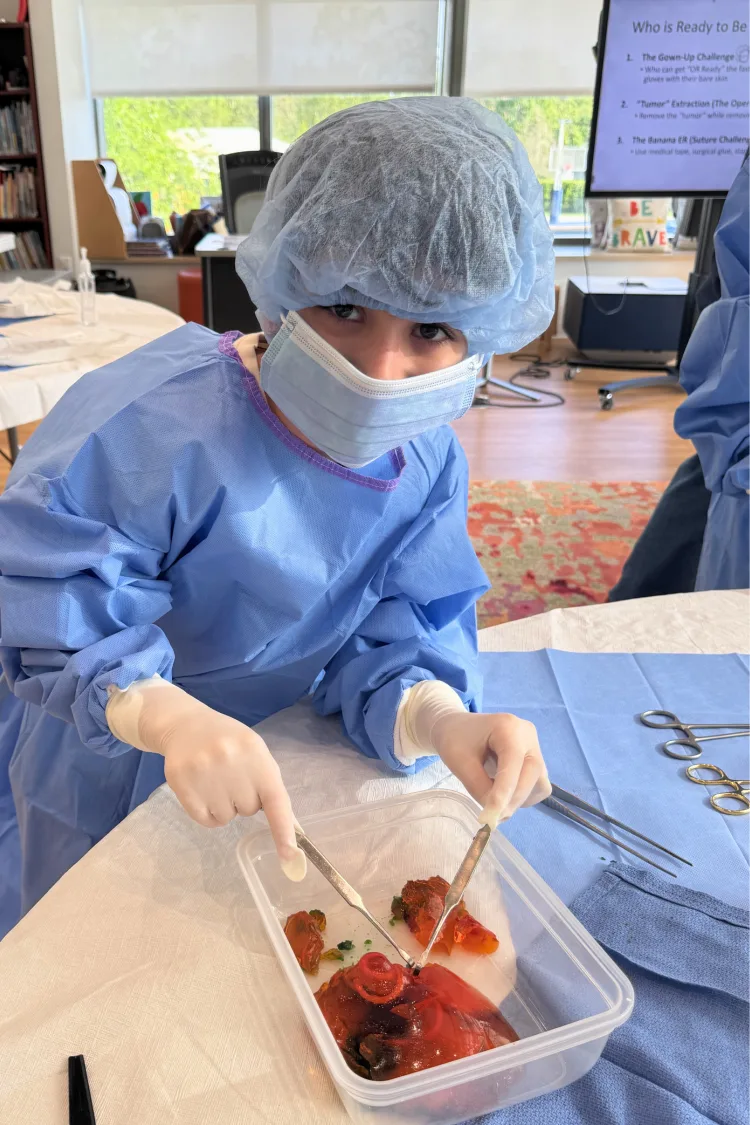
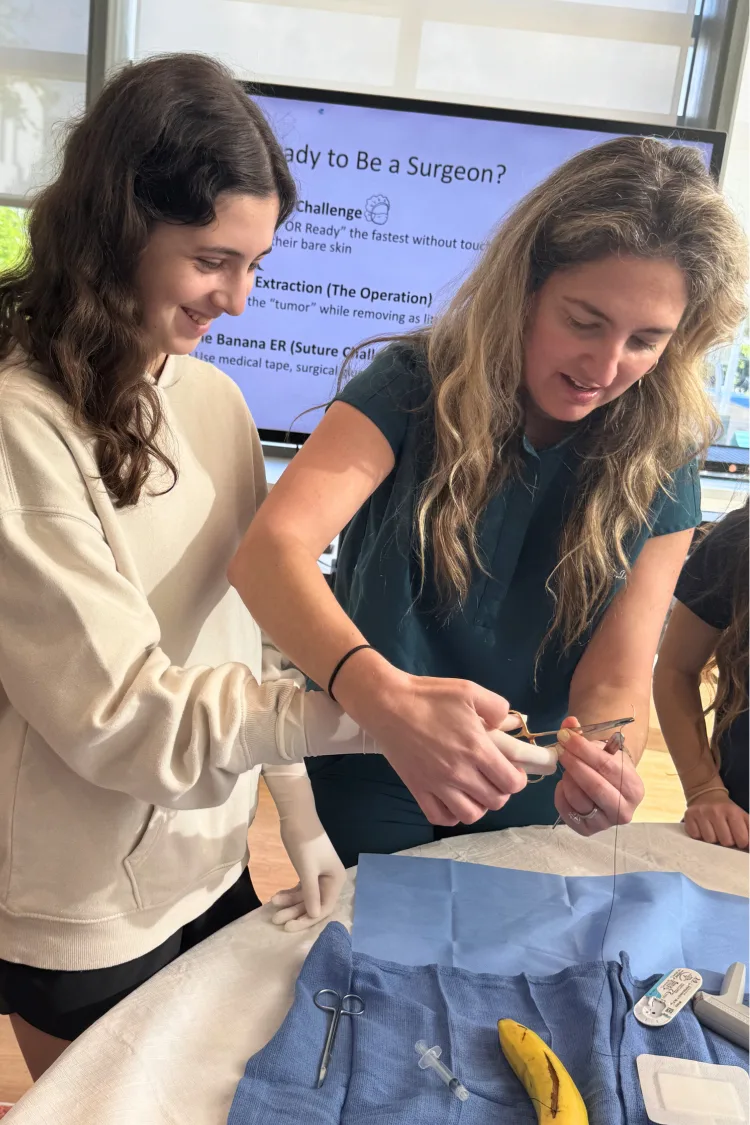
As part of their science learning, our fifth graders had the unique opportunity to step into the world of medicine through a special activity with parent visiting expert, Dr. Starr Mautner.
Bringing her expertise as a surgical oncologist into the classroom, Dr. Mautner led students through a series of hands-on stations designed to simulate real surgical techniques. Students had the chance to work with surgical tools, practicing precision, focus, and care as they rotated through each activity.
The experience was both engaging and eye-opening, giving students a glimpse into the skill, patience, and problem-solving required in the medical field. More than just a lesson, it was an opportunity to connect classroom learning to real-world applications, sparking curiosity and excitement about science and potential future paths.
HEBREW
Ivrit B’Chayim with 3rd Grade
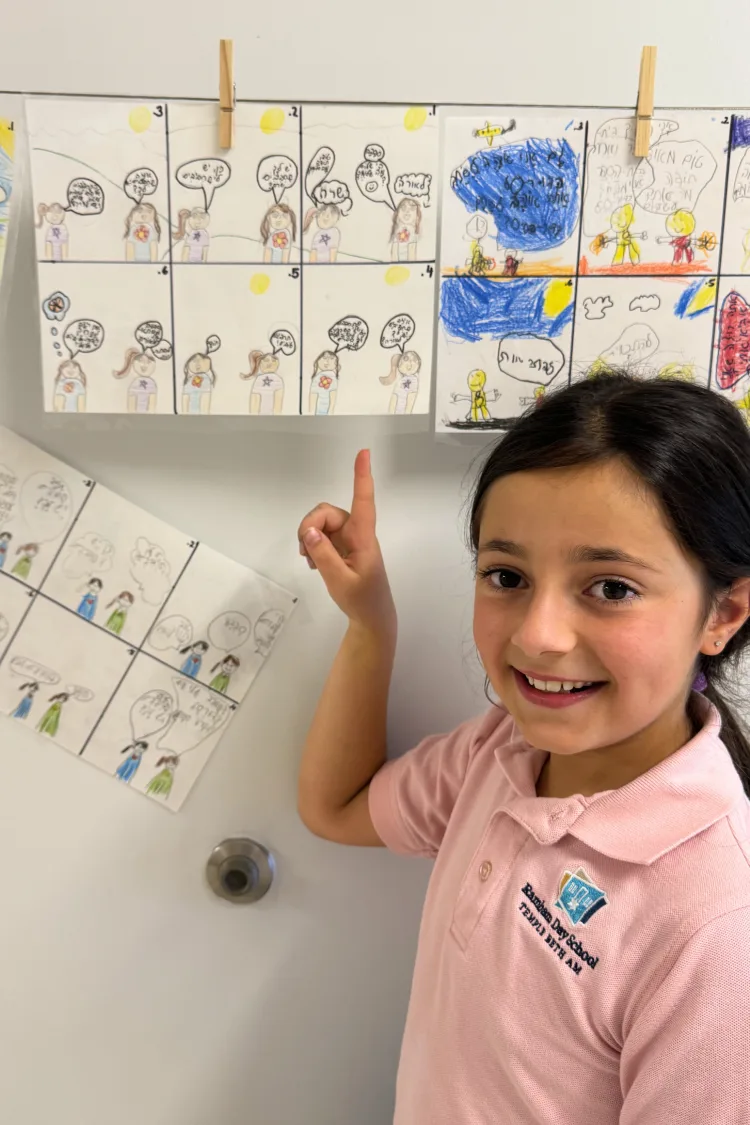
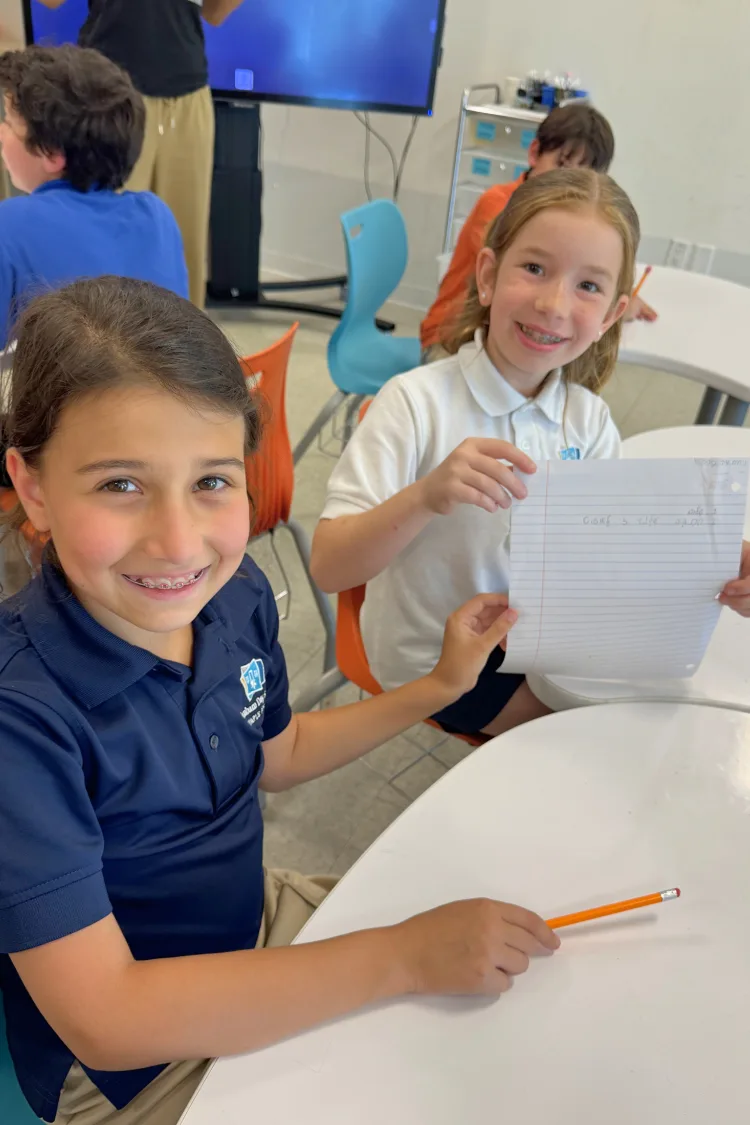
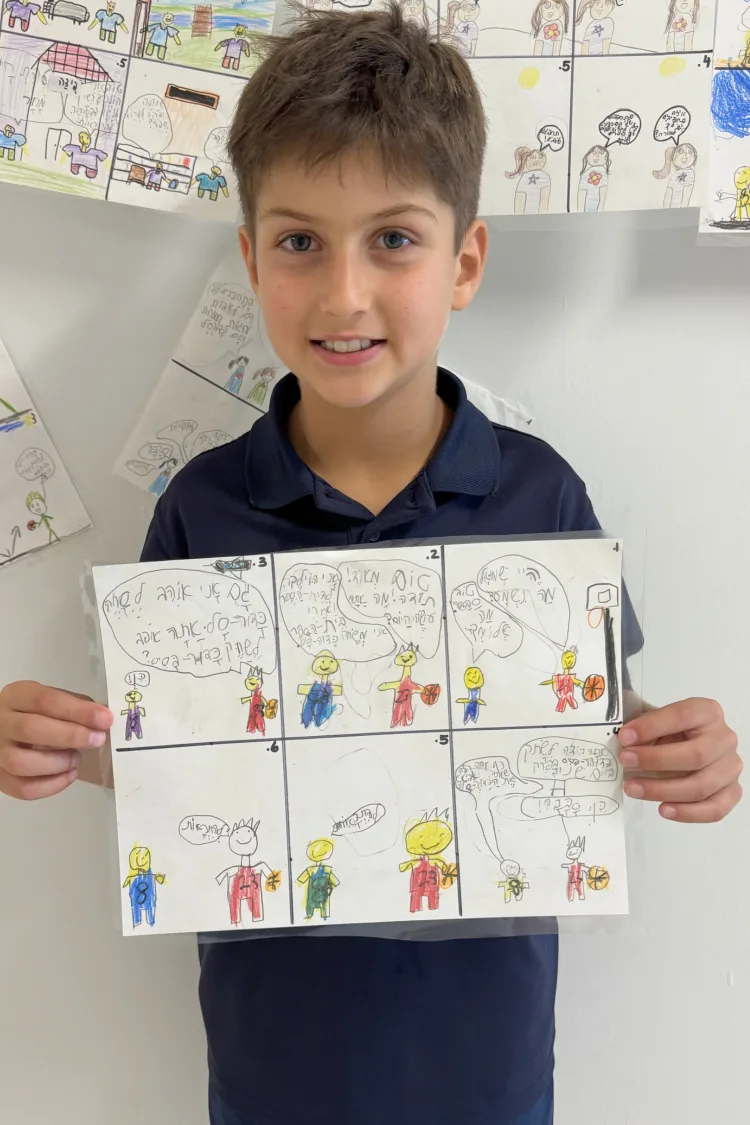
Students in Kitah Gimel are using Hebrew in authentic and meaningful ways as they explore how to express their everyday interests and after-school activities. Whether they’re talking about soccer, basketball, dance, or gymnastics, students are building the skills to communicate in ways that feel personal and relevant. They are now able to read and comprehend stories about activities they love, describe their own hobbies both in writing and through conversation, and ask their classmates about theirs, all in Hebrew!
This learning goes beyond vocabulary and grammar. By engaging in real conversations and sharing aspects of their own lives, students are developing confidence and fluency, experiencing Hebrew as a language of connection and self-expression. It’s especially exciting to watch students take ownership of their learning, asking questions, expressing preferences, and engaging with one another in authentic ways. Kitah Gimel students have shown so much enthusiasm and growth as Hebrew becomes a natural part of their daily expression.
TIKKUN OLAM
Sharing Tradition and Spreading Joy with Kindergarten
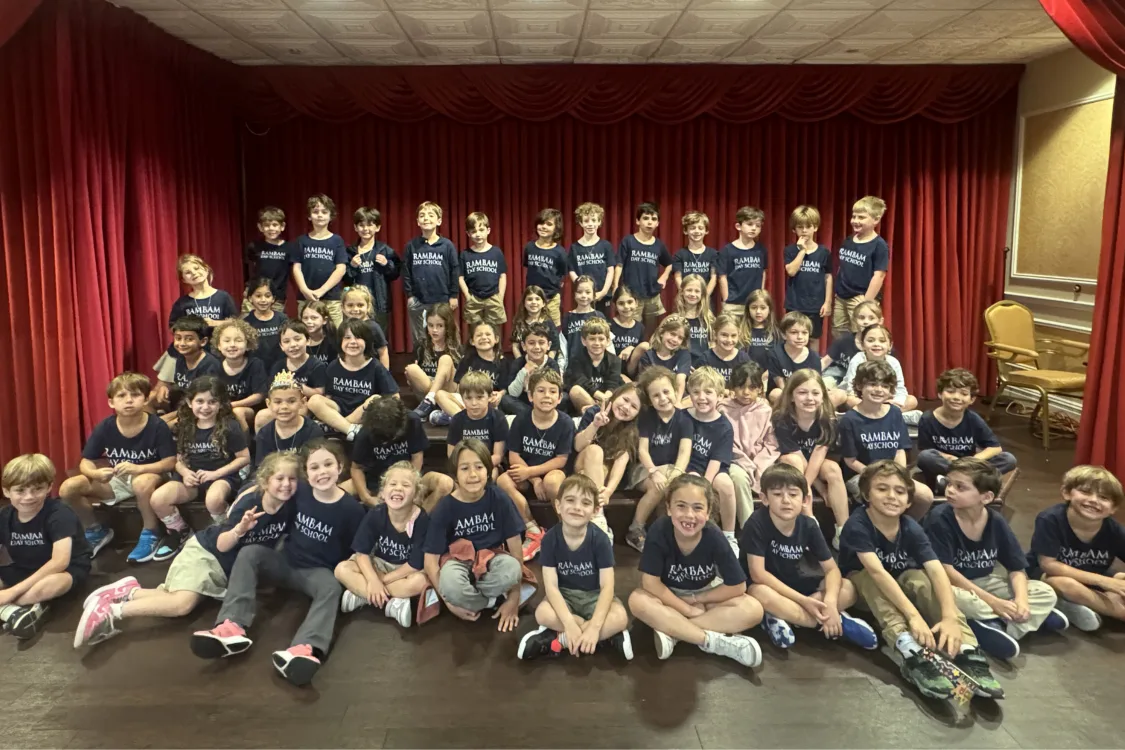
As part of their tikkun olam focus on caring for older adults, our kindergarten students are building meaningful connections through their ongoing partnership with The Palace. In honor of Passover, our students paid a special visit to their older friends, bringing the holiday to life through music, joy, and shared tradition. Together, they led a lively Passover sing-along, filling the room with familiar melodies and warm smiles.
This experience beautifully embodied the value of l’dor v’dor—from generation to generation. Through singing, visiting, and simply spending time together, students and residents created moments of connection that transcend age, reminding us all of the power of tradition to unite us.
For our kindergartners, this was more than a visit; it was an opportunity to bring joy, practice empathy, and understand the importance of showing up for others. And for everyone involved, it was a meaningful reminder that even the smallest voices can make the biggest impact when they are shared with heart.
ART
Creating for a Cause with 4th Grade
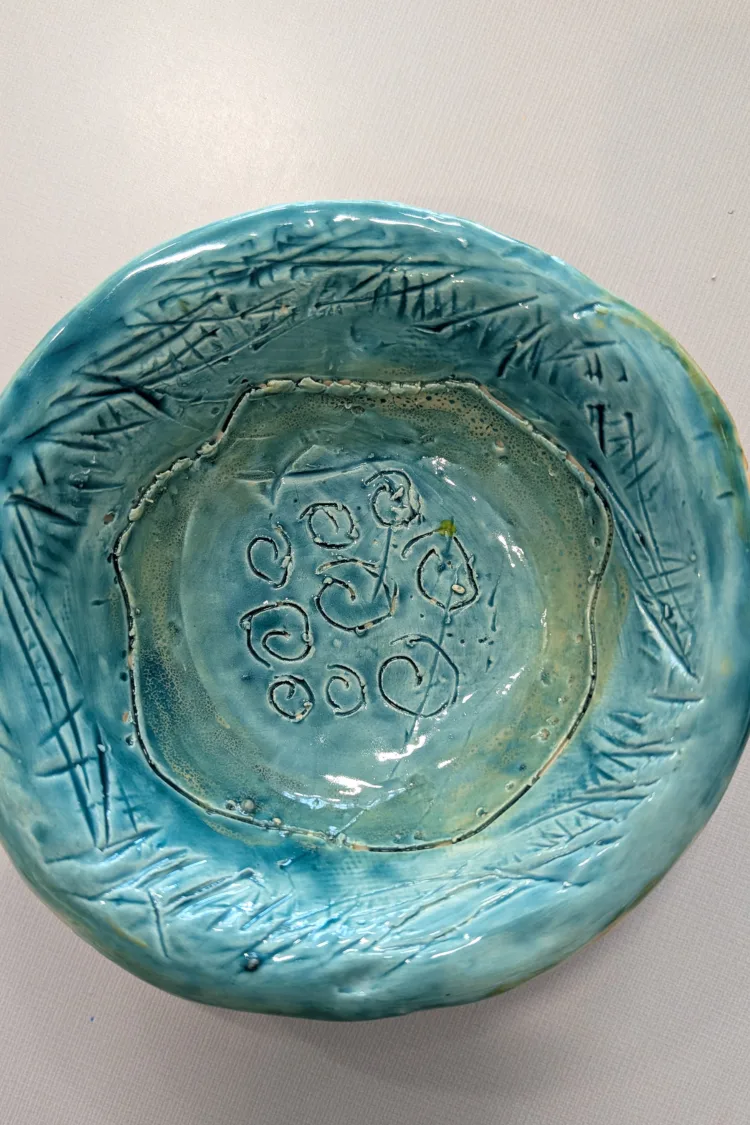
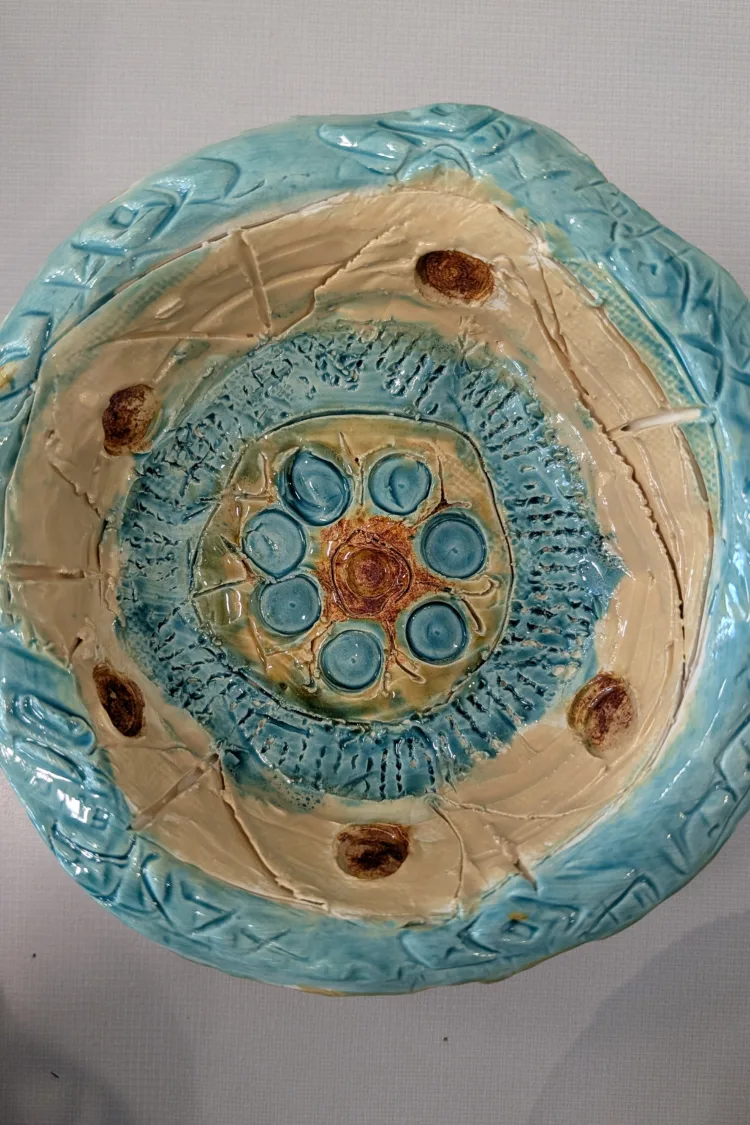
Fourth graders recently brought creativity and compassion together in a meaningful ceramic arts project rooted in their tikkun olam learning. Each student carefully designed and crafted two unique ceramic bowls, one to treasure at home, and one to give. With intention and heart, the second bowl became part of a larger act of kindness. Students filled their handmade pieces with snacks and thoughtfully wrapped them as gifts for residents of Lotus House Women’s Shelter. This project transformed their artwork into something more than just an object; it became a vessel for care, dignity, and connection.
To deepen the experience, a counselor from Lotus House visited the classroom, helping students better understand the community they were supporting and the real impact of their efforts. This powerful moment bridged learning and action, allowing students to see firsthand how even small acts can make a meaningful difference.
Executive Functioning:
Brain Power in Action!
A foundation for life skills at school and at home.
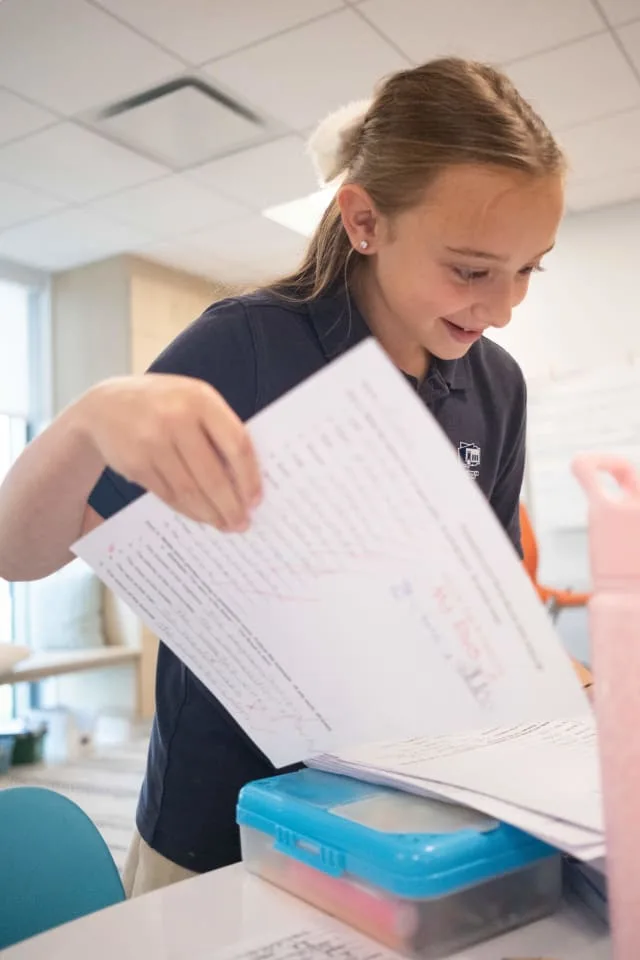
Each month, we will highlight simple yet powerful strategies to help students strengthen their executive functioning skills: the mental tools that support organization, planning, focus, and self-control. Executive functioning is like the brain’s air traffic control system: it helps children manage their thoughts, actions, and emotions so they can stay organized, focus on what’s important, plan ahead, and adapt when things don’t go as expected. Just like muscles, these skills grow stronger with practice, and the tools we share each month are designed to give students fun and practical ways to build these lifelong abilities both at school and at home!
Tool of the Month: Self-Monitoring
This month, we are focusing on the executive functioning skills of self-regulation and self-monitoring, essential tools that help students become more independent, thoughtful learners. Self-regulation supports children in managing impulses and approaching tasks with focus and intention. Self-monitoring builds on this by helping students recognize when and how to use specific strategies, evaluate how well those strategies are working, and adjust as needed. Through this process, students begin to reflect on their learning, thinking about what went well and what they might do differently next time.
How You Can Support at Home
One powerful way to build these skills is through self-talk. Encouraging your child to “think out loud” promotes reflection and awareness of their learning process. You can model this by talking through your own thinking, using checklists, revising plans, or explaining how you catch and fix mistakes.
Try This at Home: Reading Comprehension
- Encourage your child to read short passages or sentences aloud, then pause to check for understanding.
- Discuss what they’re reading—talk about characters, language, and connections between ideas.
- Ask questions like: What do you think will happen next? or What would you do differently if you were the main character?
These small, intentional moments help children build the habits of pausing, reflecting, and adjusting—skills that support success across all areas of learning.
Early Childhood:
Project Spotlights!
In Early Childhood, we believe the best learning happens when children explore, create, and investigate through hands-on experiences. Our project-based approach gives students the opportunity to dive deeply into topics that spark their curiosity, encouraging critical thinking, problem-solving, collaboration, and creativity along the way.
Here’s a snapshot into some of the amazing projects happening across our classrooms, showcasing how our youngest learners turn ideas into action and bring their discoveries to life!
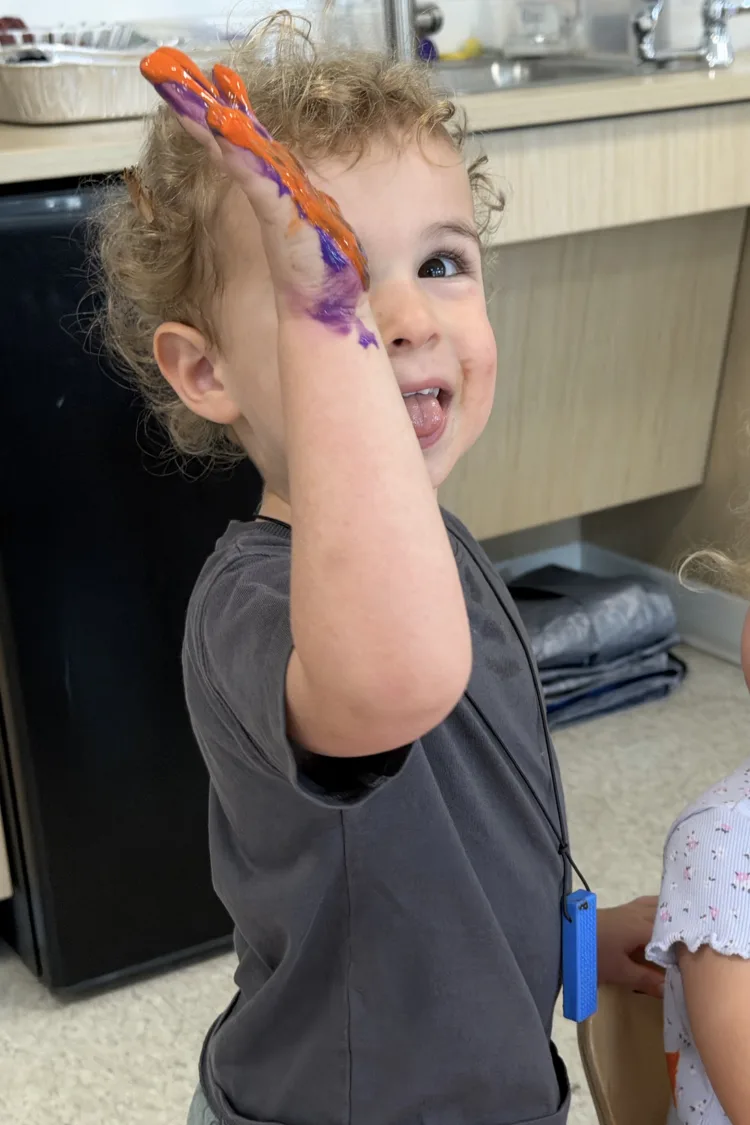
18 months: Paint
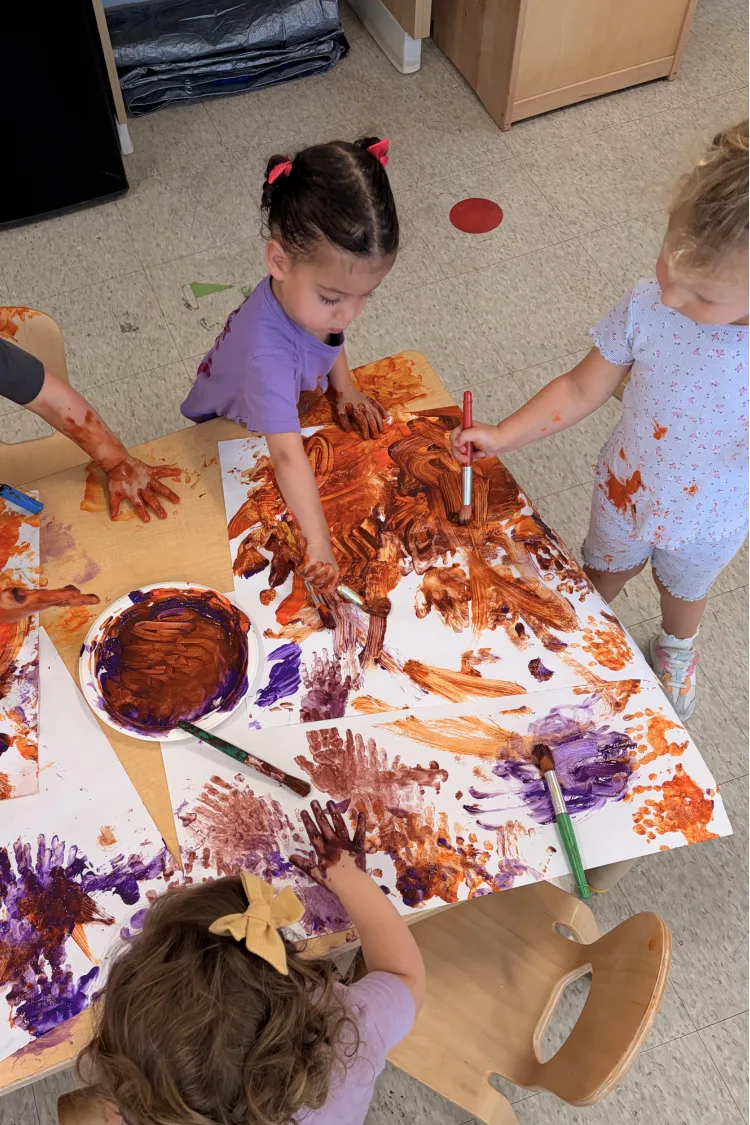
In this 18-month class, students began their exploration of paint through an open-ended, sensory experience designed to spark curiosity. Paper covered the tables, with paint placed in the center and brushes nearby, but not directly introduced. This setup invited children to explore the materials in their own way, following their natural instincts.
What followed was a fully immersive experience, as students used their hands and bodies to explore the paint, feeling its texture, watching how it moved, and expressing themselves freely (often ending up covered head to toe!).
2's: Fabric
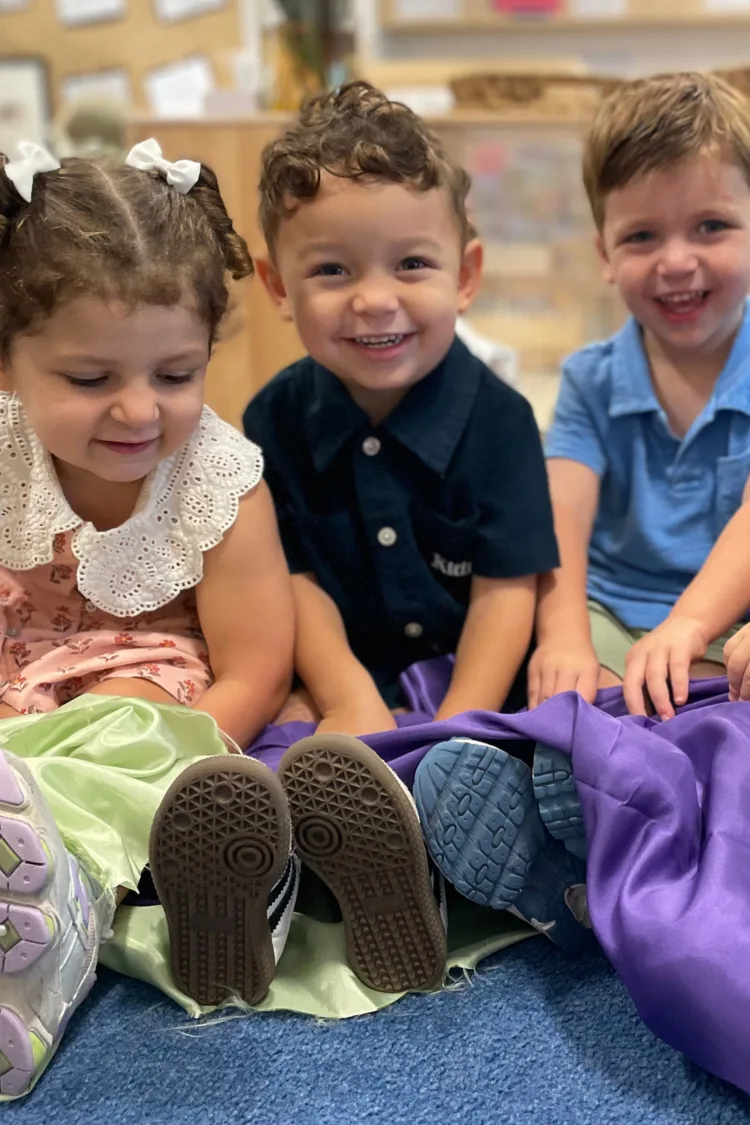
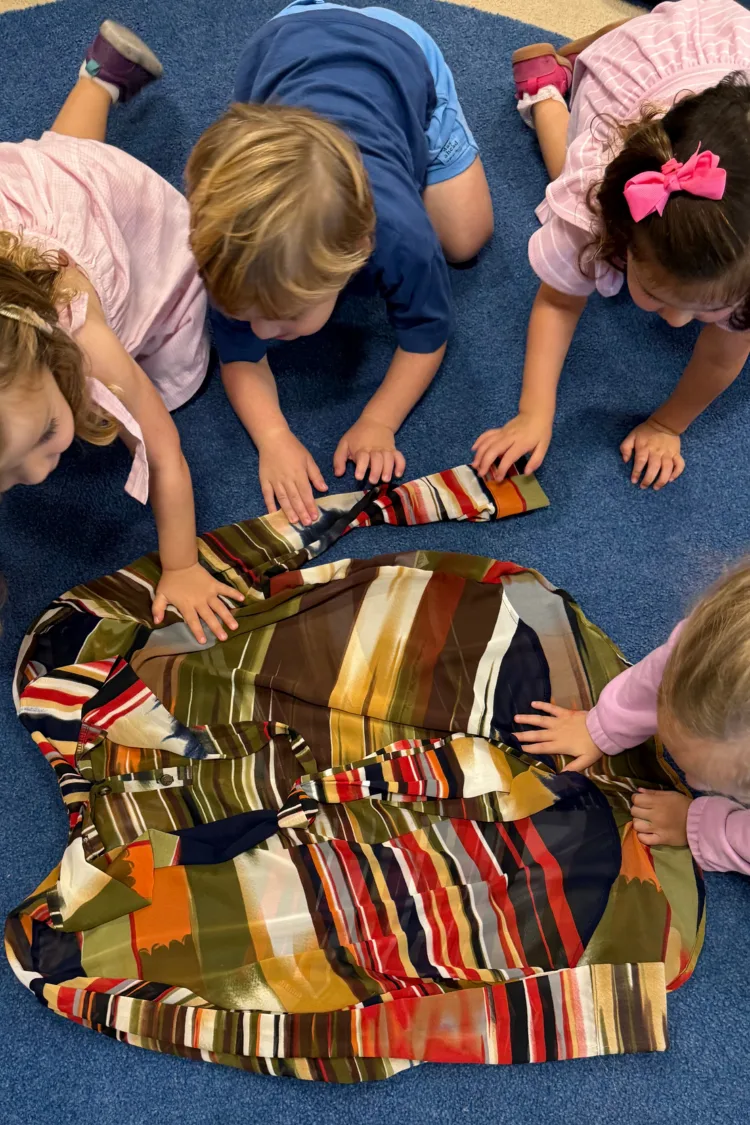
In this 2’s class, students are exploring the many possibilities of fabric through hands-on, sensory-rich experiences. Fabric has become an integral part of classroom language and learning, as children investigate it with curiosity; touching, stretching, wrapping, and observing how it moves. Through these explorations, students are developing a deeper understanding of texture, flexibility, and design.
3's: Pasta
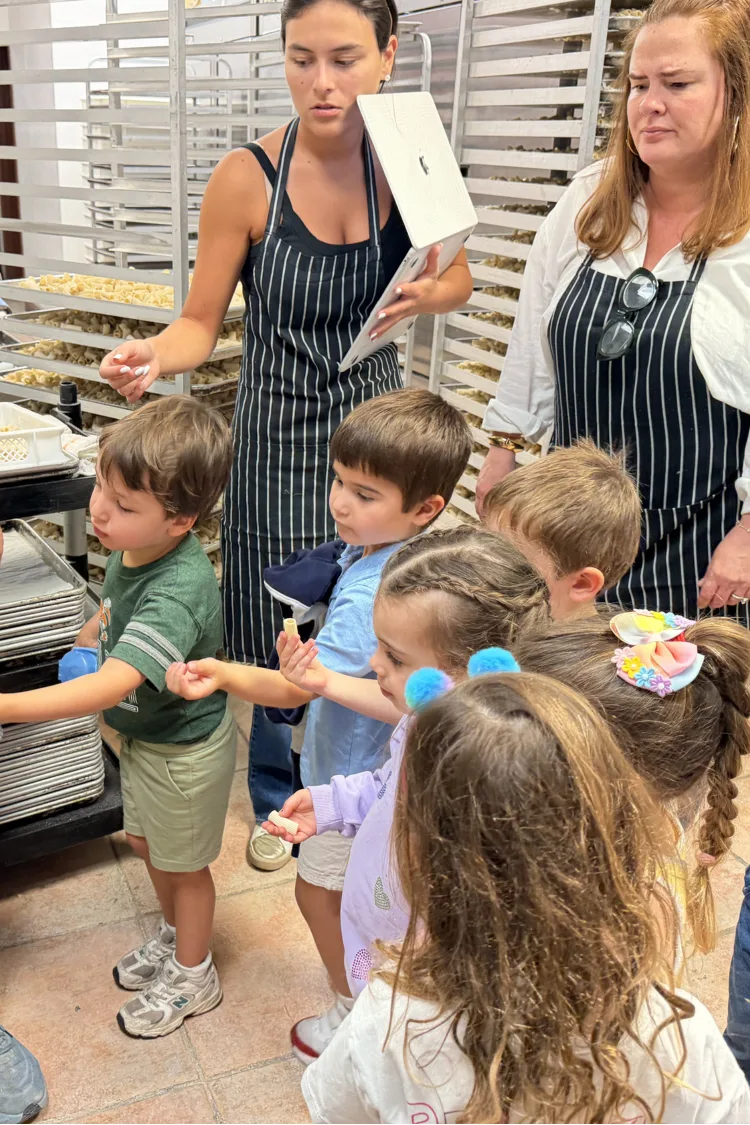
In this 3’s class, students are engaged in an in-depth exploration of pasta, connecting real-world observation with creative expression.
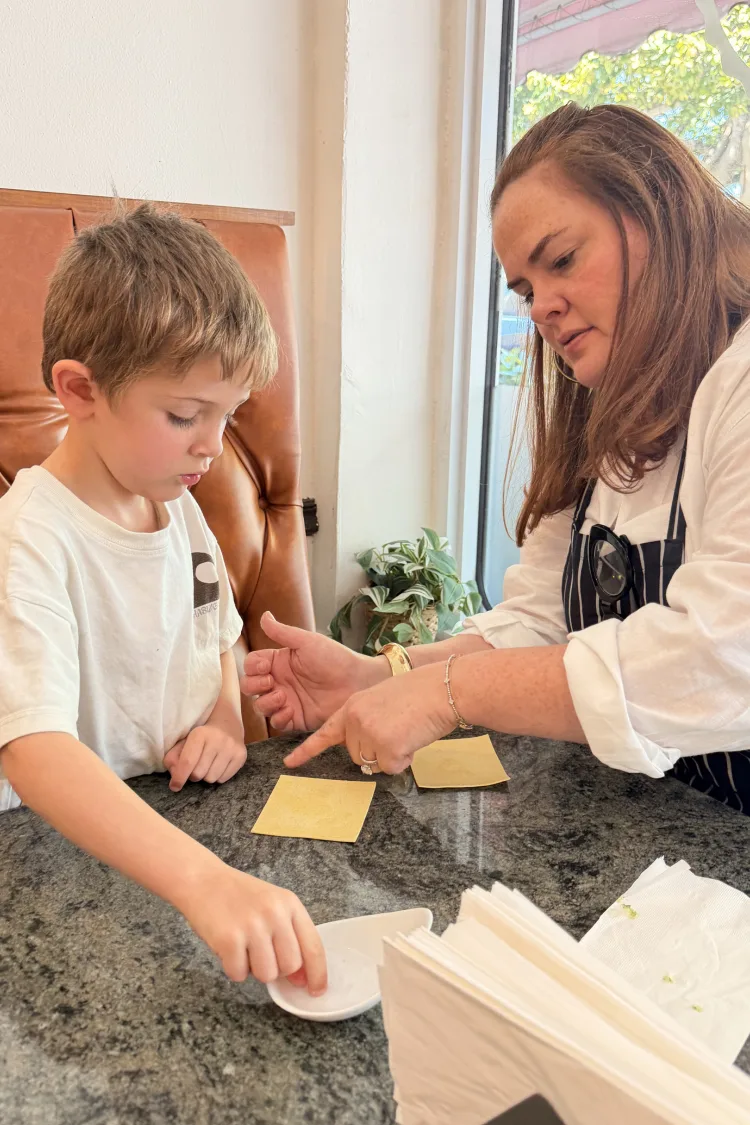
As part of their study, students visited a local pasta factory, where they observed how pasta is made, stored, and distributed throughout the community. From watching the machines in action to stepping inside the refrigeration space, students experienced the process from production to delivery. A highlight of the visit was making their own ravioli, with students fully immersed in each step.
Back in the classroom, the project has continued to evolve as students take on the role of designers and creators. They have been developing their own pasta brands. Choosing names, designing logos, and constructing packaging. Through this work, students are making intentional decisions about how to represent their ideas, combining creativity with purposeful thinking.
This project reflects a deeper investigation, where students explore a topic from multiple perspectives and express their understanding through hands-on inquiry and design.
4's: Yarn
In this 4’s class, students explored yarn through a hands-on study of fiber art, materials, and creative expression.
With guidance from visiting experts, including fiber artist Aurora Molina, students investigated line, shape, and form while working with looms and canvas. They learned about different types of yarn and explored how fibers are spun using spindles, deepening their understanding of how materials are created.
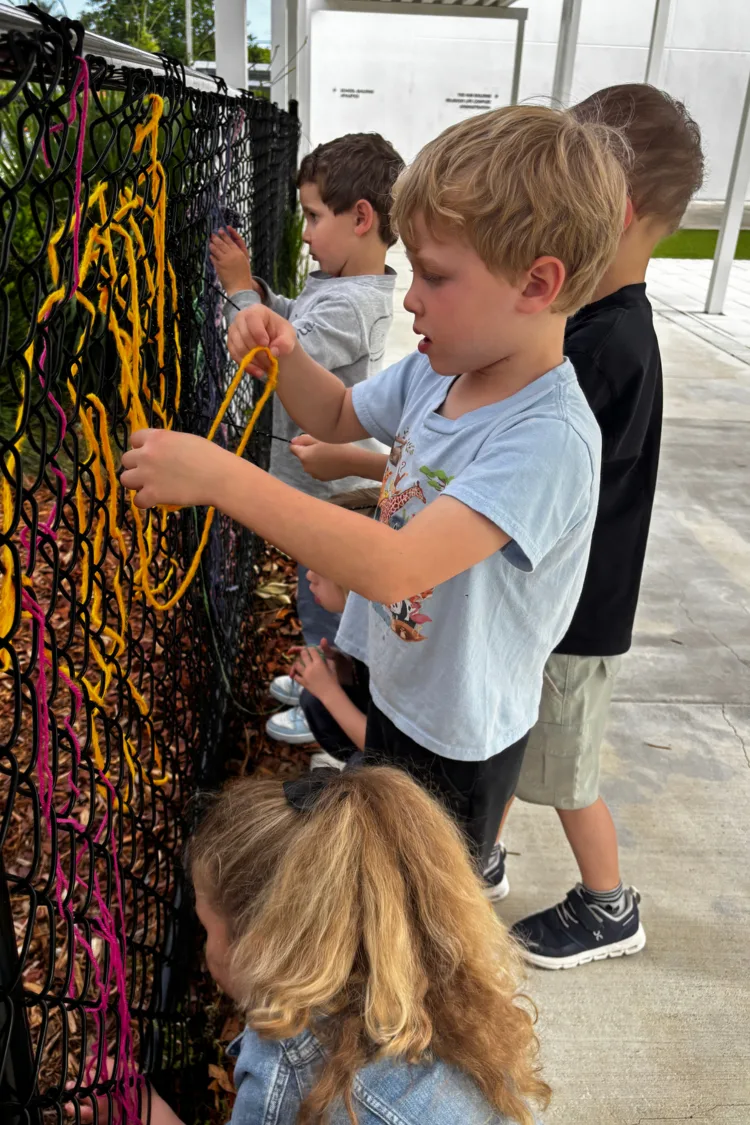
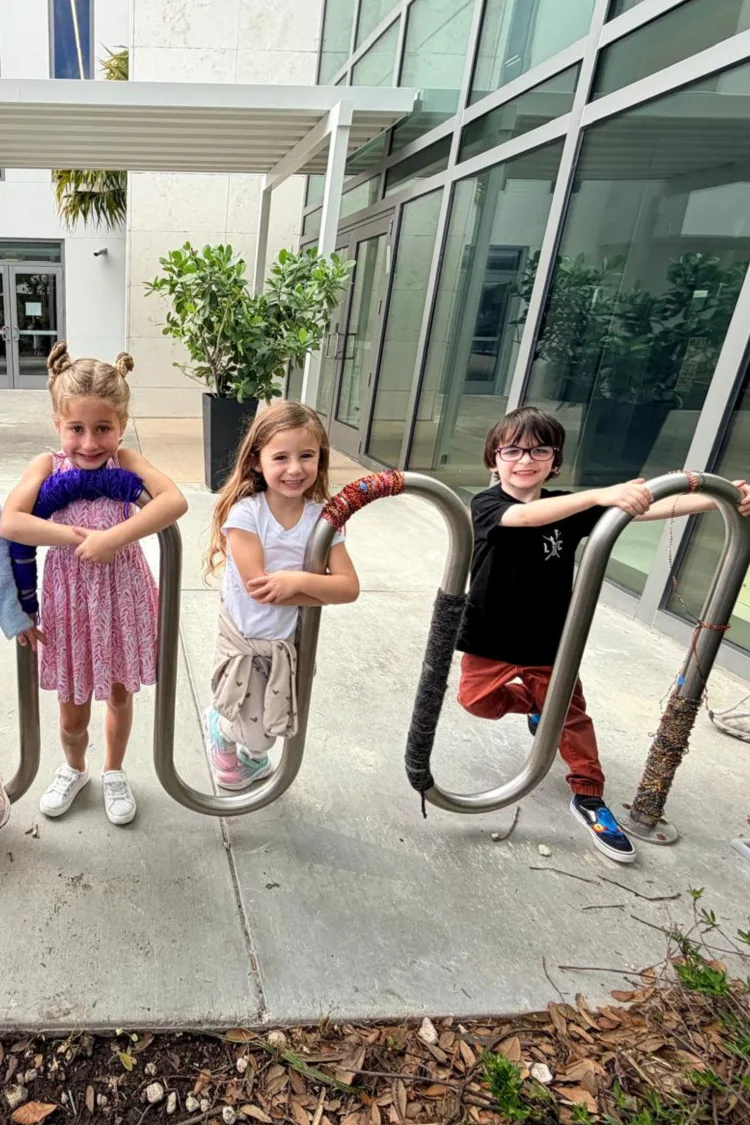
As their study evolved, students were introduced to knitting, crochet, and the global art form of yarn bombing. Inspired by large-scale fiber installations, they collaborated to create their own yarn art on campus, transforming their surroundings through creativity and design.
This project reflects an inquiry-based approach, where students explore materials and ideas through hands-on investigation and artistic expression.