January 2026 / Sh’vat 5786
From Nora’s Desk:
Reflections from the Head of School
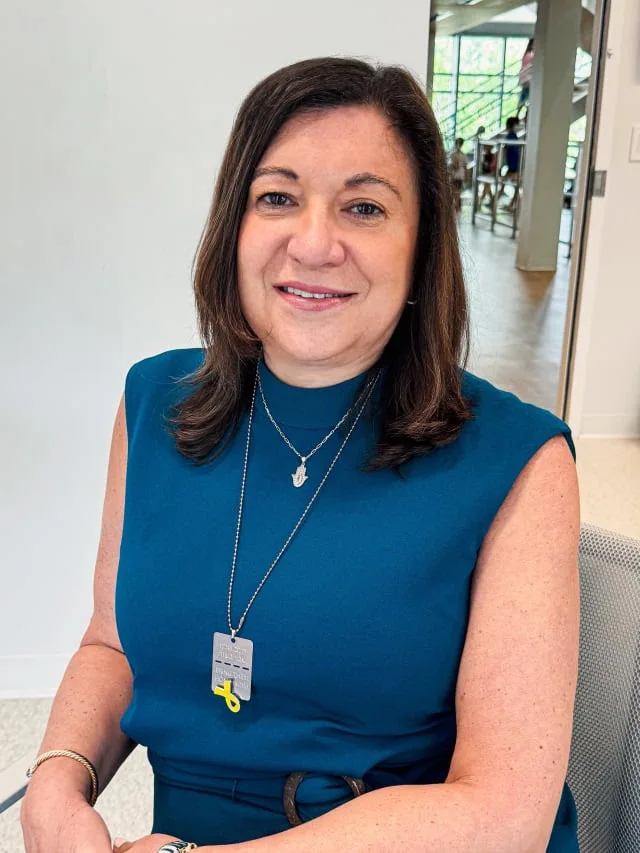
This past month at Rambam Day School has been filled with learning, reflection, and celebration. One of the most meaningful highlights was Temple Beth Am’s Born to Lead Gala and celebratory weekend honoring Rabbi Barras for his remarkable 10 years of leadership. Rabbi Barras’ vision, wisdom, and dedication have helped shape our school and its values in profound ways. But the weekend would not have been complete without celebrating someone equally essential to our community: Jodi Barras. As our Director of Enrollment and Admissions, Jodi brings warmth, care, and tireless commitment to every family she welcomes. She is often the first smile people see at Rambam and continues to be a guiding light in helping our community grow with purpose and heart. Her quiet strength and genuine kindness are deeply appreciated by all.
In honor of Martin Luther King, Jr. Day, our students spent time learning about Dr. King’s enduring legacy and the importance of standing up for justice, compassion, and equality. As Dr. King once said, “Intelligence plus character—that is the goal of true education.” These words resonate deeply within our community, where learning goes hand in hand with middot like honesty, inclusion, and empathy. Through classroom discussions and activities, our students reflected on what it means to pursue justice and to treat each person as created b’tzelem Elokim—in the image of G-d.
January also included NWEA MAP testing across the school, with kindergarten participating for the very first time this year. This test allows us to better understand and support even our youngest learners, helping teachers personalize instruction and guide growth with thoughtful insight. It reflects our continued commitment to fostering both academic excellence and a nurturing, values-driven environment.
Wishing you a restful and enjoyable weekend. Shabbat Shalom!
Middah of the Month
סַבְלָנוּת (Savlanut) Patience
The quiet strength that leads to great rewards.
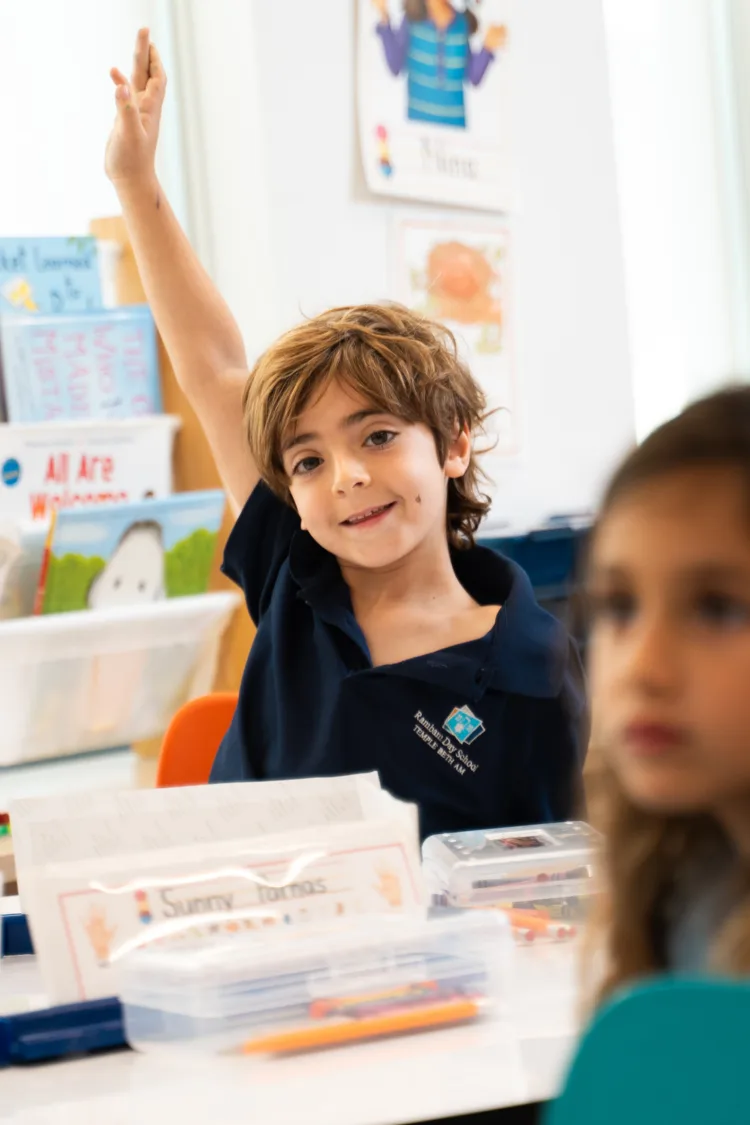
This month, students are focusing on סַבְלָנוּת (Savlanut), the middah of patience. Through learning and reflection, students are discovering that Savlanut means staying calm and composed during times of waiting, discomfort, or frustration, and responding thoughtfully rather than impulsively. They are learning that patience requires inner strength and self-control, allowing them to pause, reflect, and approach challenges with resilience and a positive attitude, even when things don’t go as planned. Savlanut also encourages tolerance and empathy, helping students accept others’ differences and mistakes while recognizing that everyone is on their own journey. By practicing patience, students learn that good things often take time, that waiting can deepen appreciation, and that staying present and mindful can reduce anxiety and frustration. Ultimately, Savlanut supports the building of strong, caring relationships and helps cultivate a sense of peace, understanding, and connection within our community.
1st Grade ELA:
Let the Research Begin!
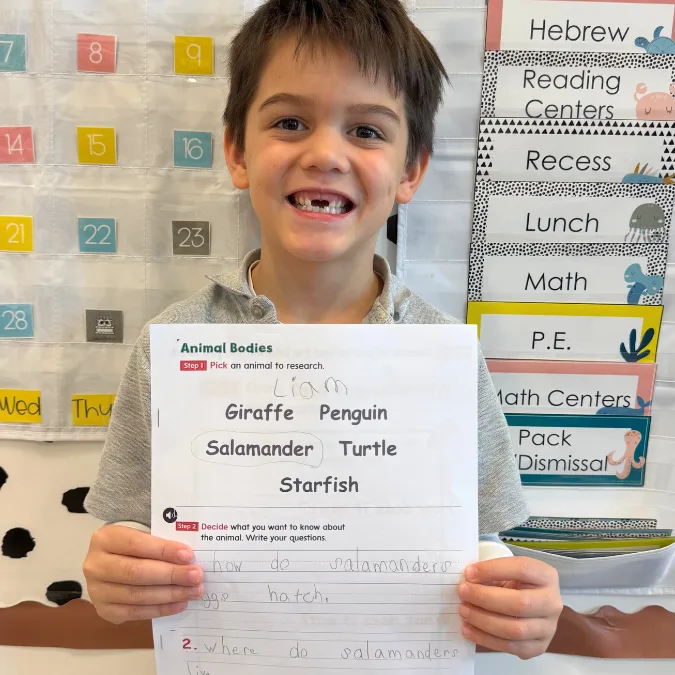
Our first graders have launched their exciting animal research project! Students began by asking two guiding questions about their chosen animal and learning how to find specific information, such as where it lives, how it moves, and what it eats. They are practicing important research skills by staying focused on their topic and locating information that directly answers their questions. Along the way, students are strengthening their reading and writing skills as they explore nonfiction texts, including diagrams and labels. They are also drawing their animals and labeling key parts, deepening their understanding of informational writing. This project will culminate in each student writing their own nonfiction book about their animal, bringing together curiosity, research, and creativity.

STEM Spotlight:
Learning About Plant Life with Kindergarten
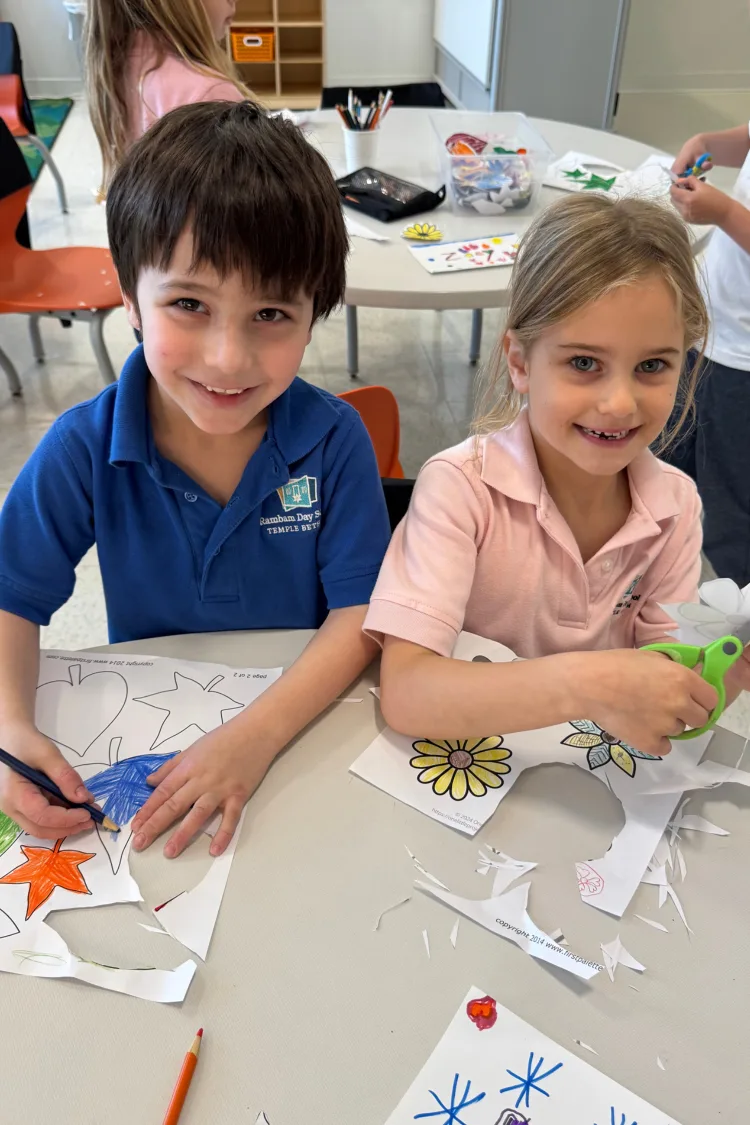
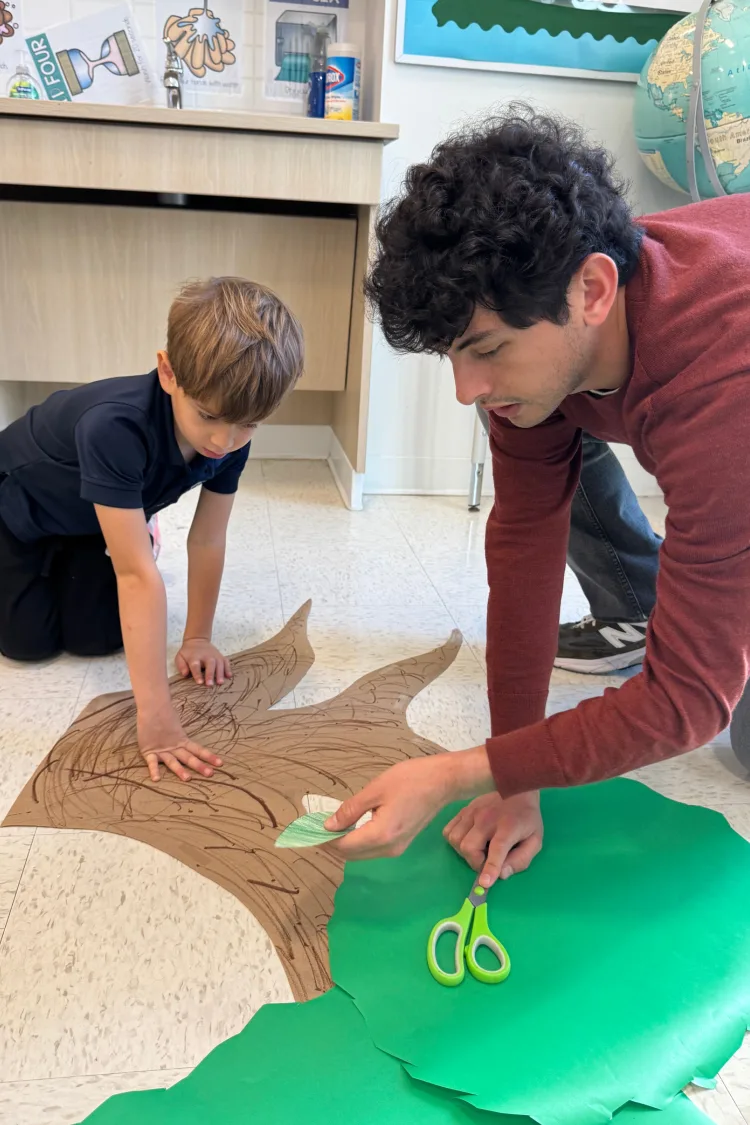
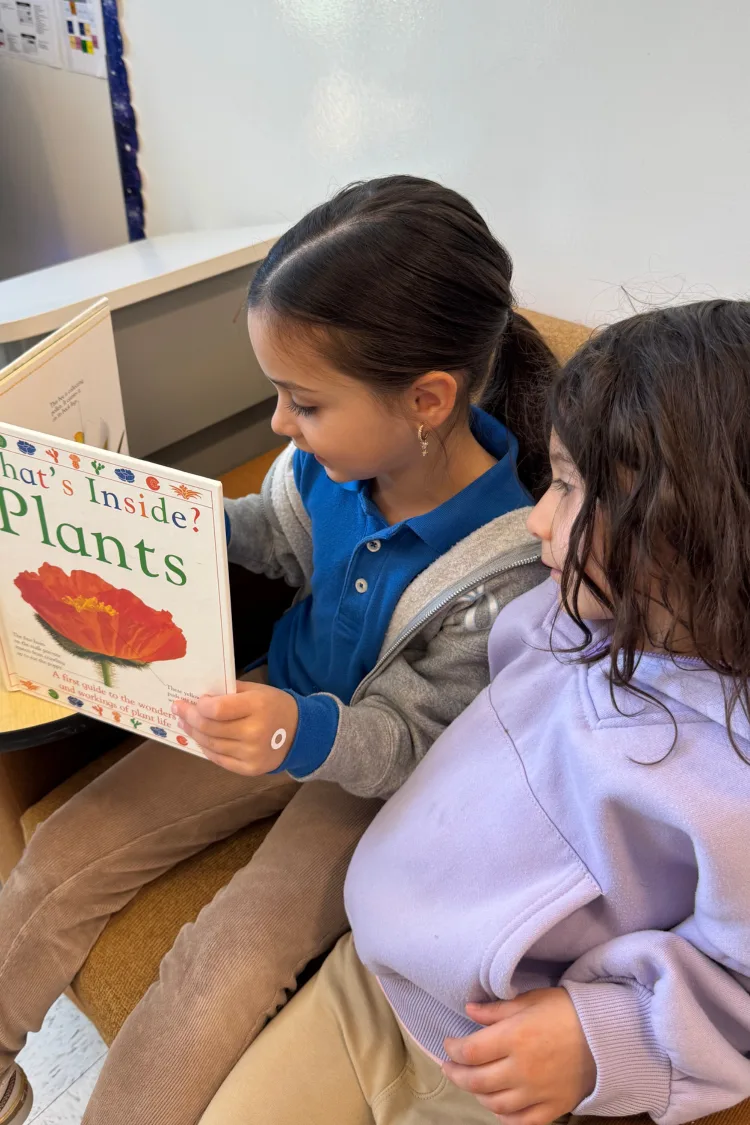
In science, kindergarteners have been exploring plants and other living things by observing their leaves and noticing how they are alike and different. Students learned that even leaves from the same tree can look different, helping them build early observation and comparison skills. After visiting the garden to study real plants up close, students are now creating their own plants, using what they discovered through hands-on exploration. This joyful blend of outdoor learning and creativity is helping our young scientists develop curiosity, careful observation, and a love of the natural world.
Math Strategies:
Getting Creative with 2nd Grade
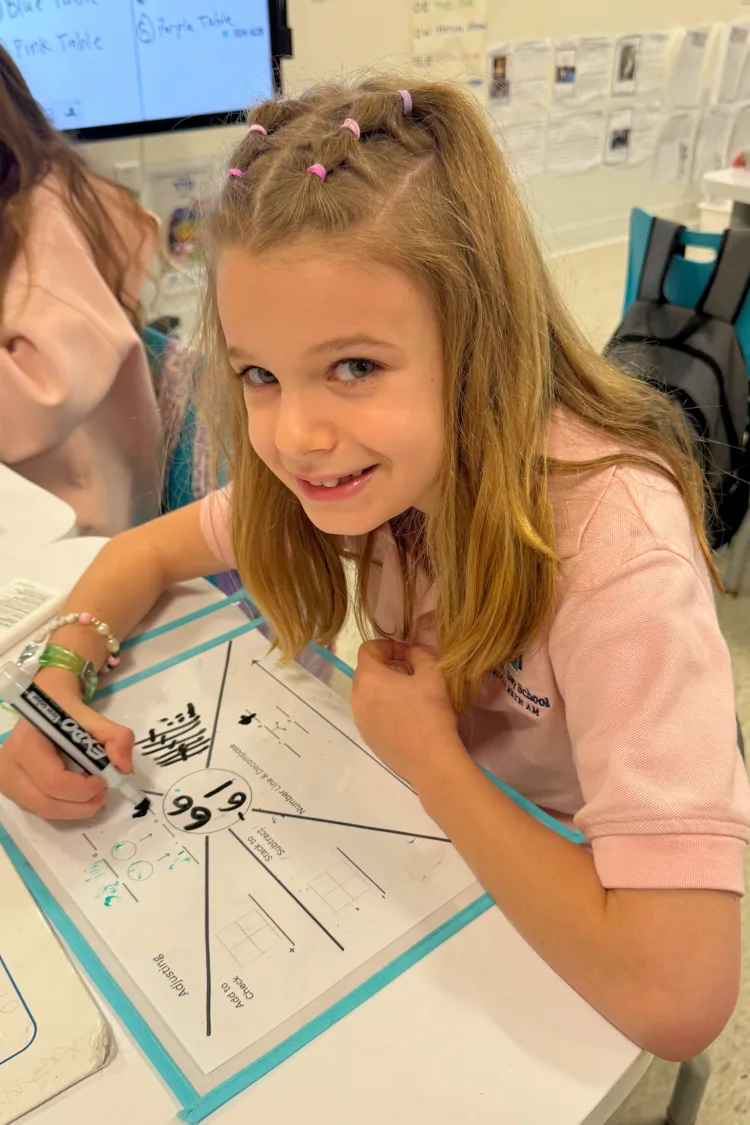
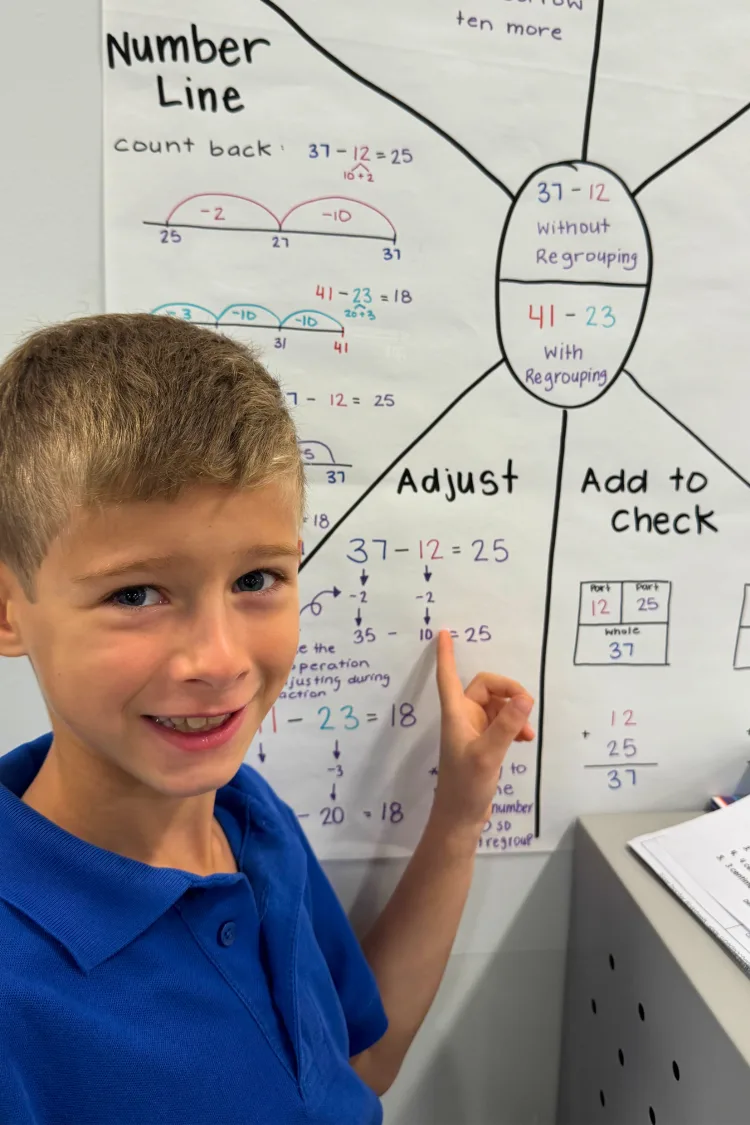
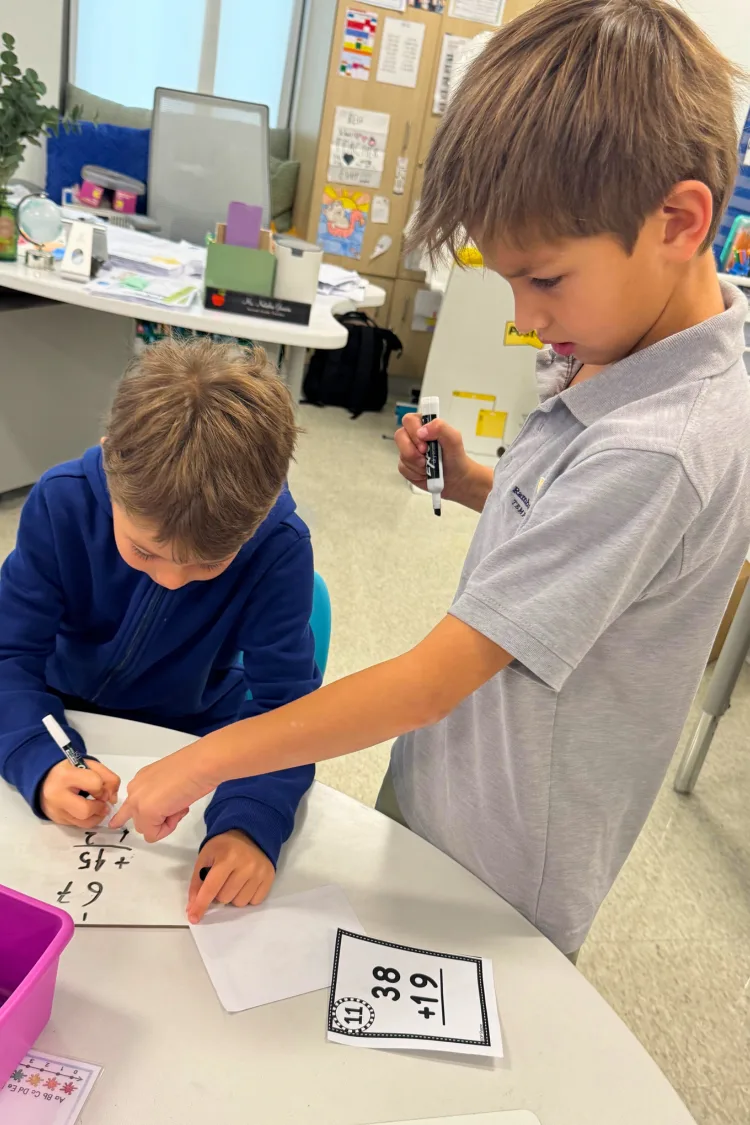
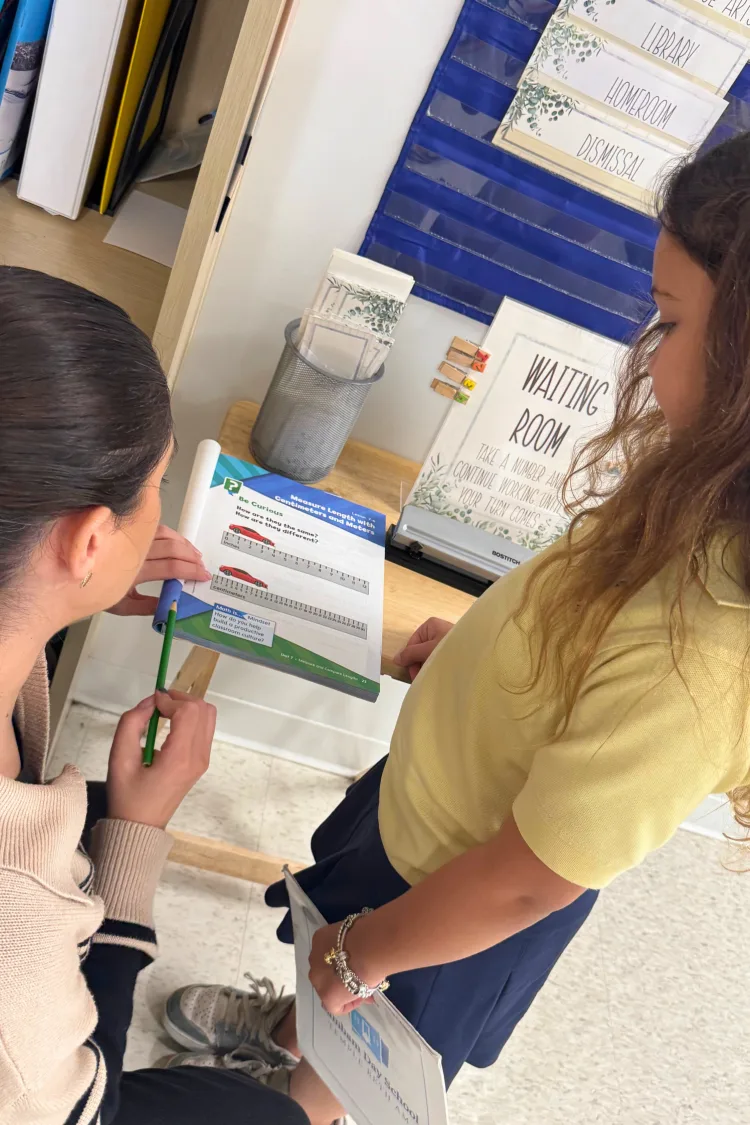
Second graders have been diving deep into addition and subtraction by exploring a variety of problem-solving strategies. Students are learning that there is more than one way to find an answer as they practice using number lines, stacking numbers, adjusting values, and decomposing numbers into parts. By experimenting with different approaches, students strengthen their number sense and develop flexibility in their thinking. This work encourages them to explain their reasoning, choose strategies that make sense to them, and build confidence as mathematicians. Through hands-on practice and thoughtful discussion, second graders are developing a strong foundation for more complex mathematical thinking ahead.
5th Grade Hebrew:
Exploring Israeli Landmarks
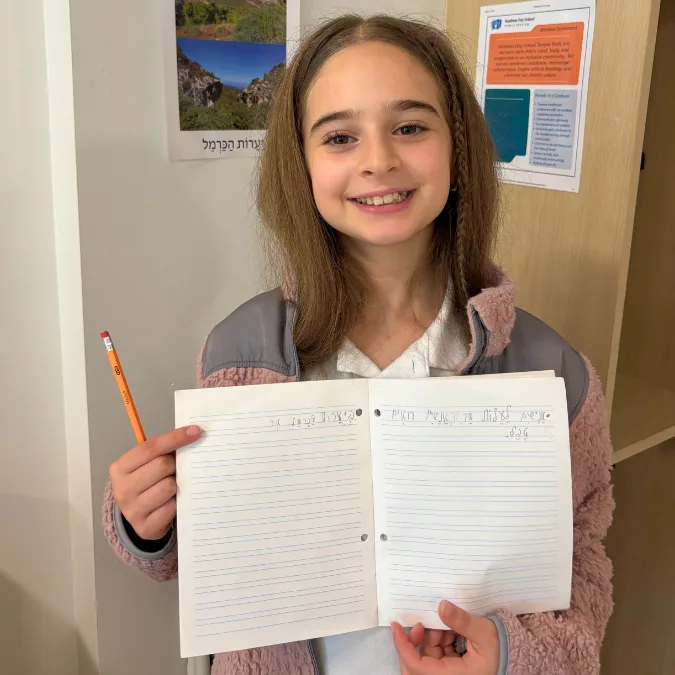
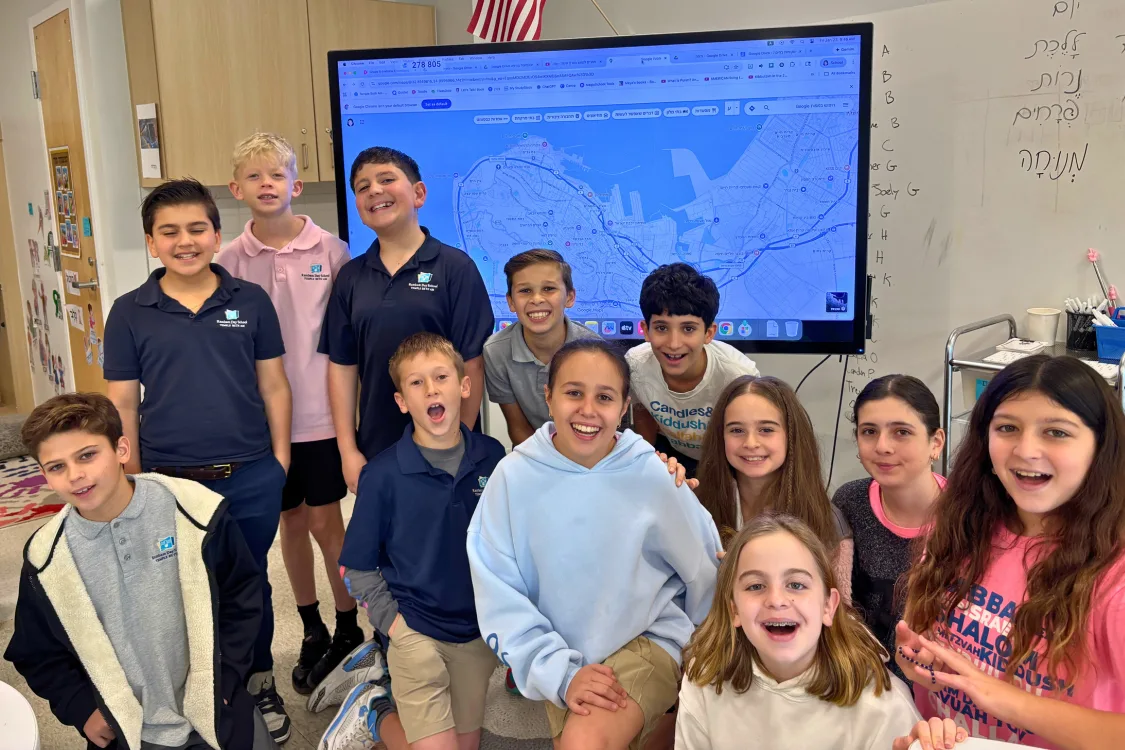
In Hebrew class, fifth graders are exploring cities in Israel, beginning with a deep dive into Haifa. Students are learning to identify famous landmarks and describe what people can do throughout the city, all while strengthening their Hebrew vocabulary and conversational skills. They are also practicing how to talk about transportation and movement within the city, as well as learning about Haifa’s geography and cultural characteristics. Through this unit, students are building language skills while developing a richer understanding of Israel’s diverse cities and the life that unfolds within them.
Embracing the Arts:
Playbills and Music with 4th Grade
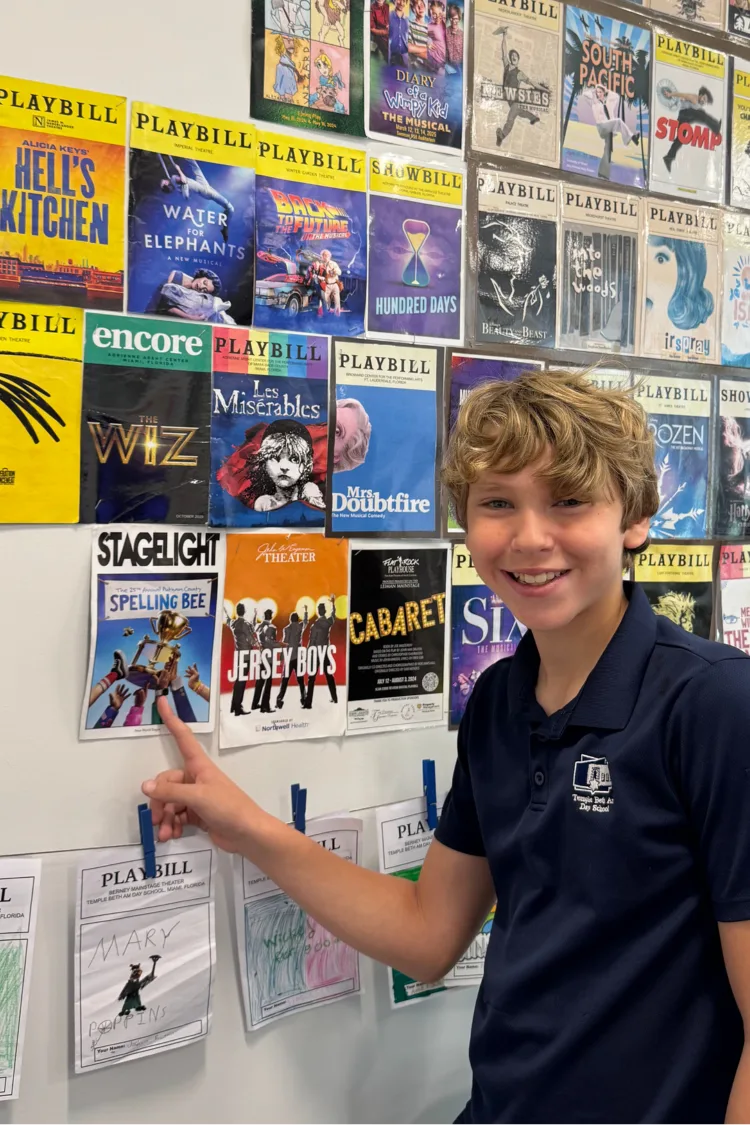
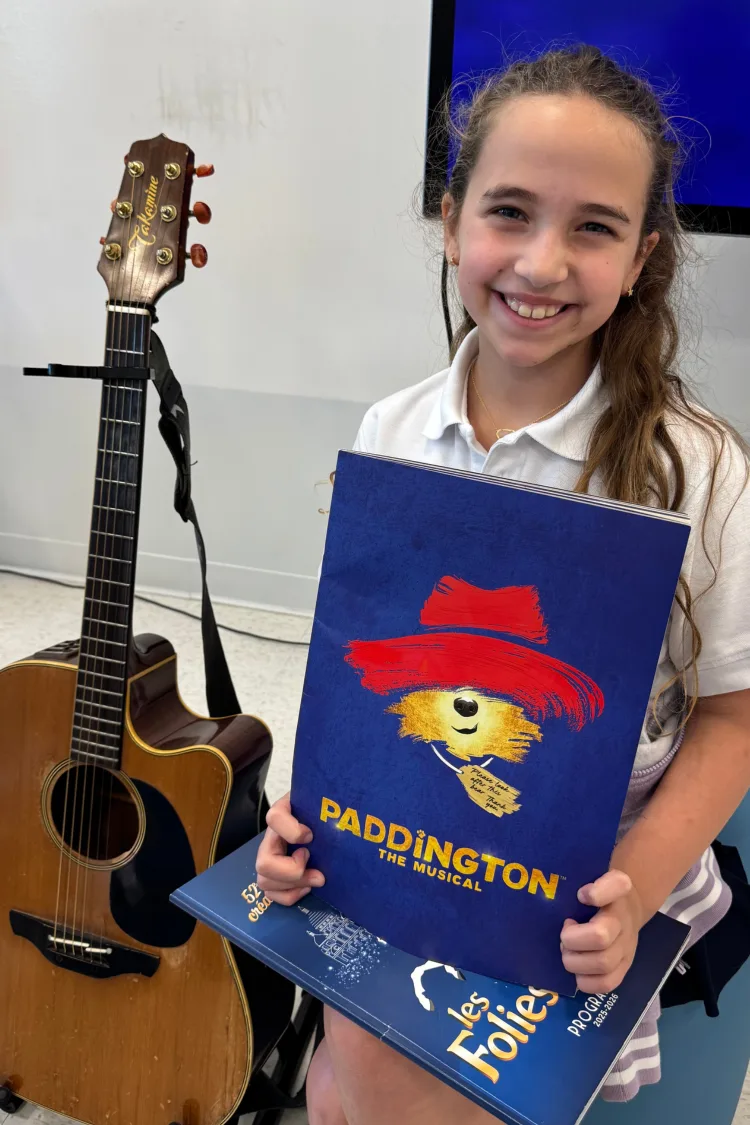
In music class, fourth graders are immersed in musical theater through their Playbill Unit, a yearlong exploration designed to build exposure to and appreciation of music and performance. Students attend a live musical or watch a filmed production and study its Playbill to learn about the many elements that bring a show to life. By closely examining the Playbill and recreating it, students develop a deeper understanding of the production while building awareness of musical theater as an art form. This experience helps students become thoughtful audience members and grow their appreciation for music, storytelling, and performance.
Art Meets Tradition:
Creating Shabbat Kits with 3rd Grade
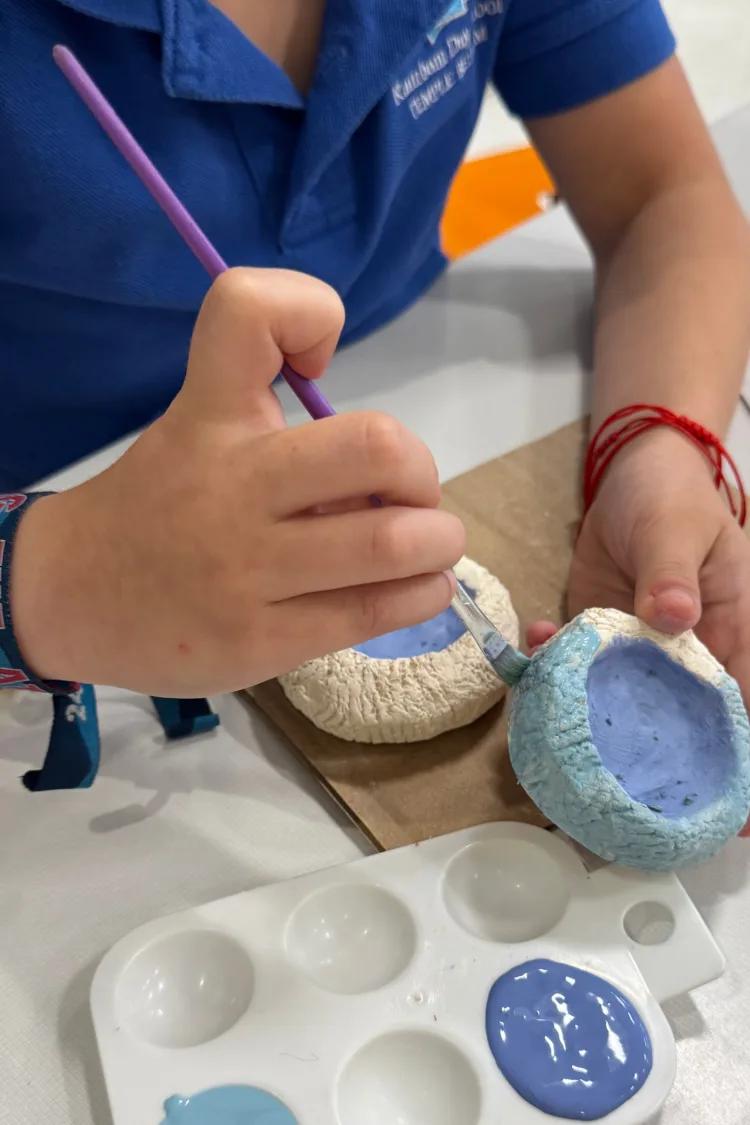
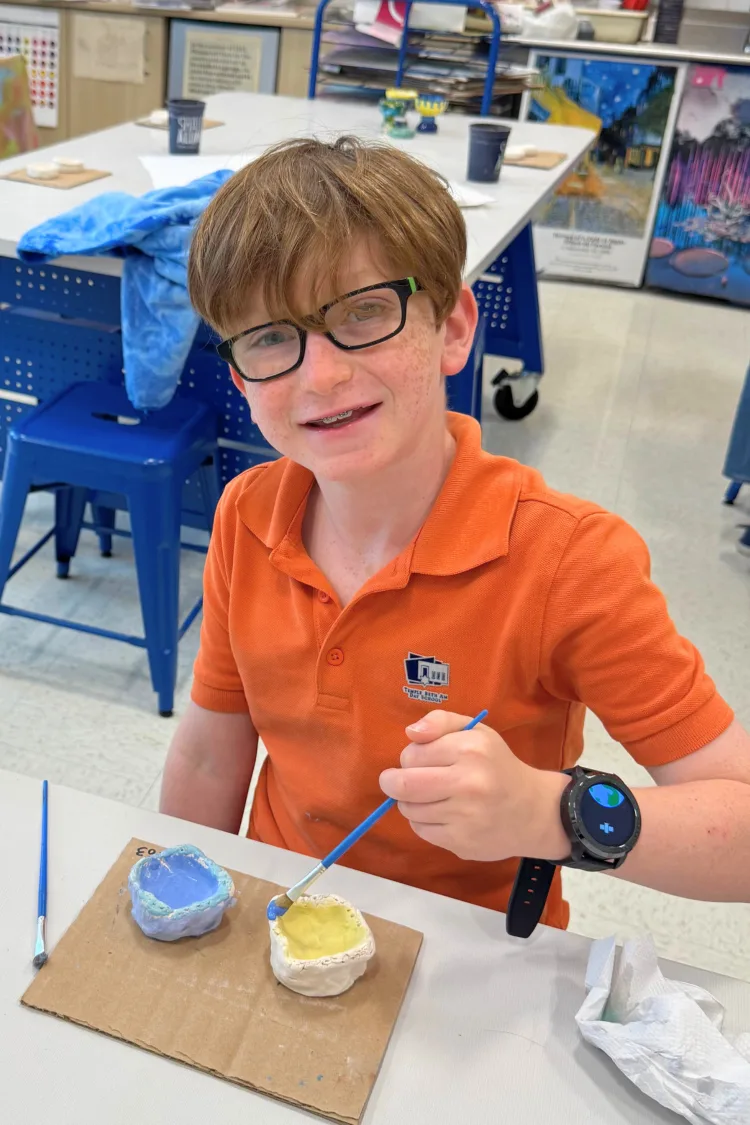
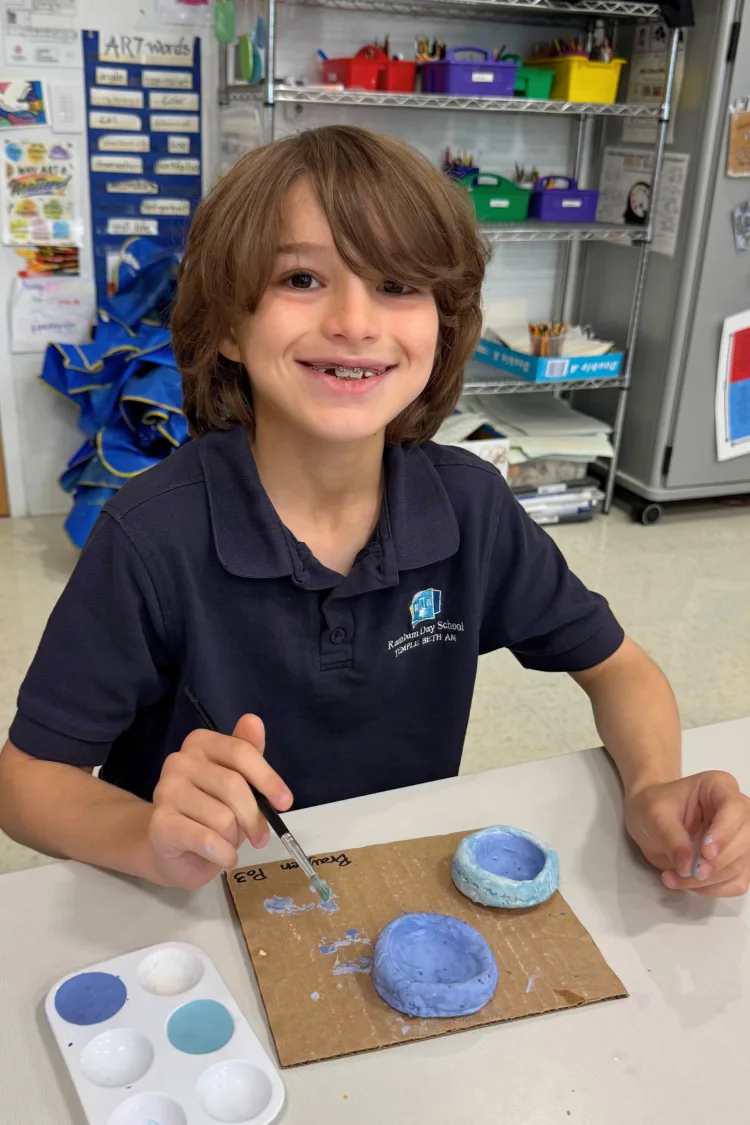
Third graders have begun a meaningful and creative project: their Shabbat kit. Each student is designing a beautifully decorated challah cover, a ceramic kiddush cup, and a pair of matching candle holders, artifacts that connect artistic expression with Jewish ritual and tradition. This week, students glazed their candle holders and learned how color, texture, and technique come together in ceramic art. These special pieces will be proudly displayed at the upcoming Third Grade Family Shabbat, celebrating both the creative process and the joy of bringing art into sacred moments.

Executive Functioning:
Brain Power in Action!
A foundation for life skills at school and at home.
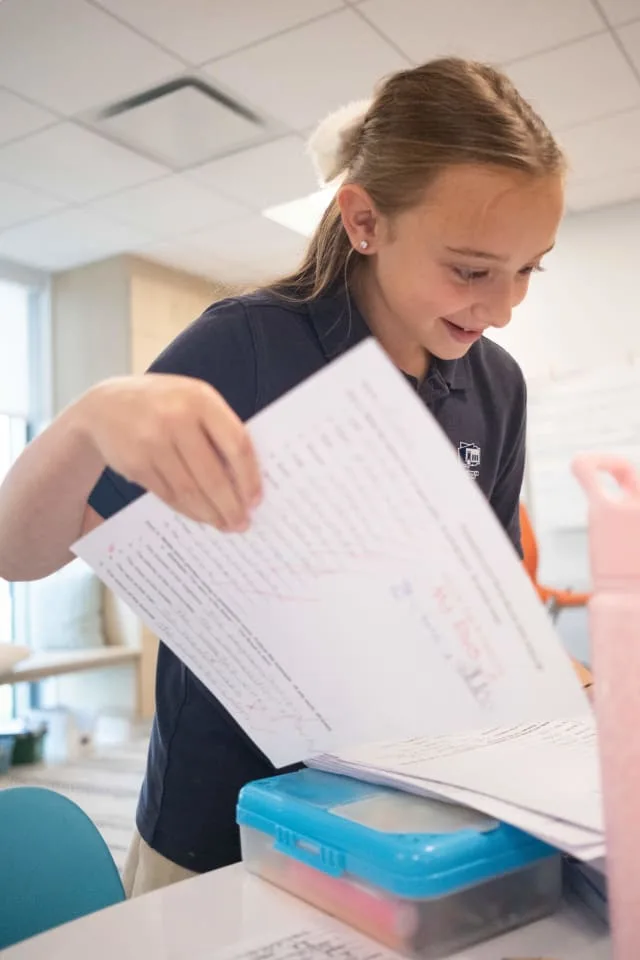
Each month, we will highlight simple yet powerful strategies to help students strengthen their executive functioning skills: the mental tools that support organization, planning, focus, and self-control. Executive functioning is like the brain’s air traffic control system: it helps children manage their thoughts, actions, and emotions so they can stay organized, focus on what’s important, plan ahead, and adapt when things don’t go as expected. Just like muscles, these skills grow stronger with practice, and the tools we share each month are designed to give students fun and practical ways to build these lifelong abilities both at school and at home!
Tool of the Month: Turn-Taking at the Table
Try building patience at home by practicing turn-taking during family meals. Choose a “talking stick” (or any small object) and agree that only the person holding it may speak. While waiting for their turn, children practice Savlanut by listening closely, making eye contact, and thinking about how they will respond. This simple routine encourages self-control, active listening, and respectful conversation. With regular practice, children learn that waiting their turn not only builds patience but also helps everyone feel heard and valued.
Early Childhood:
Visiting Experts!
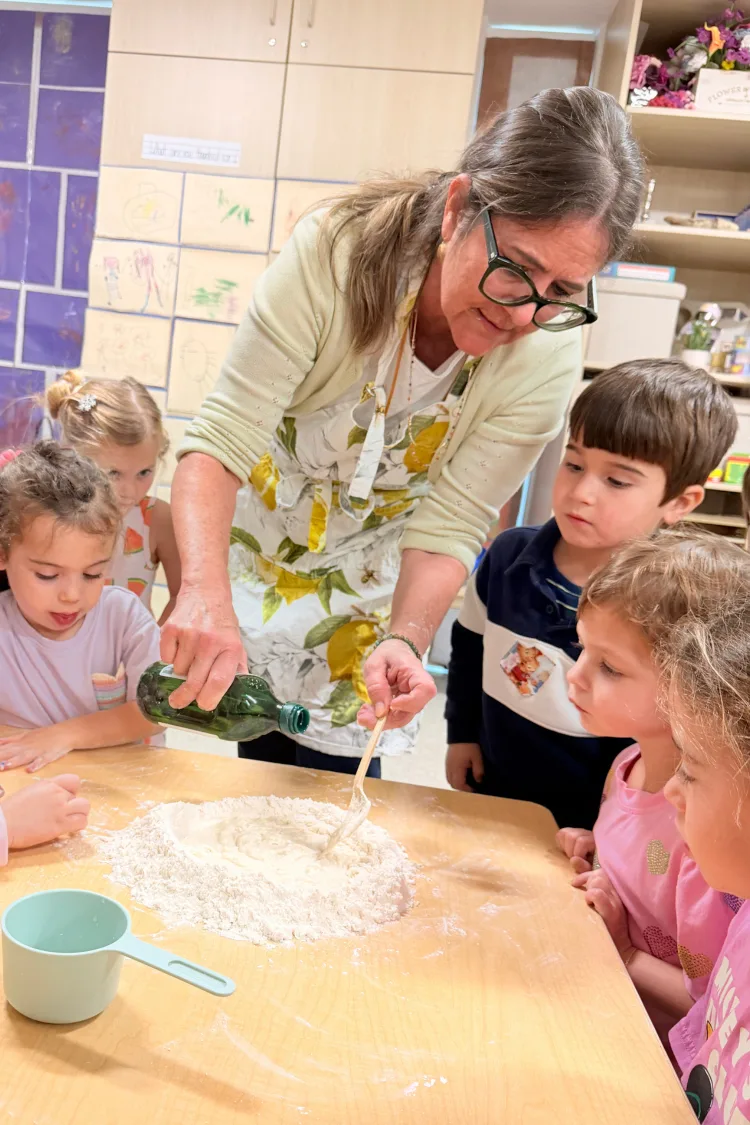
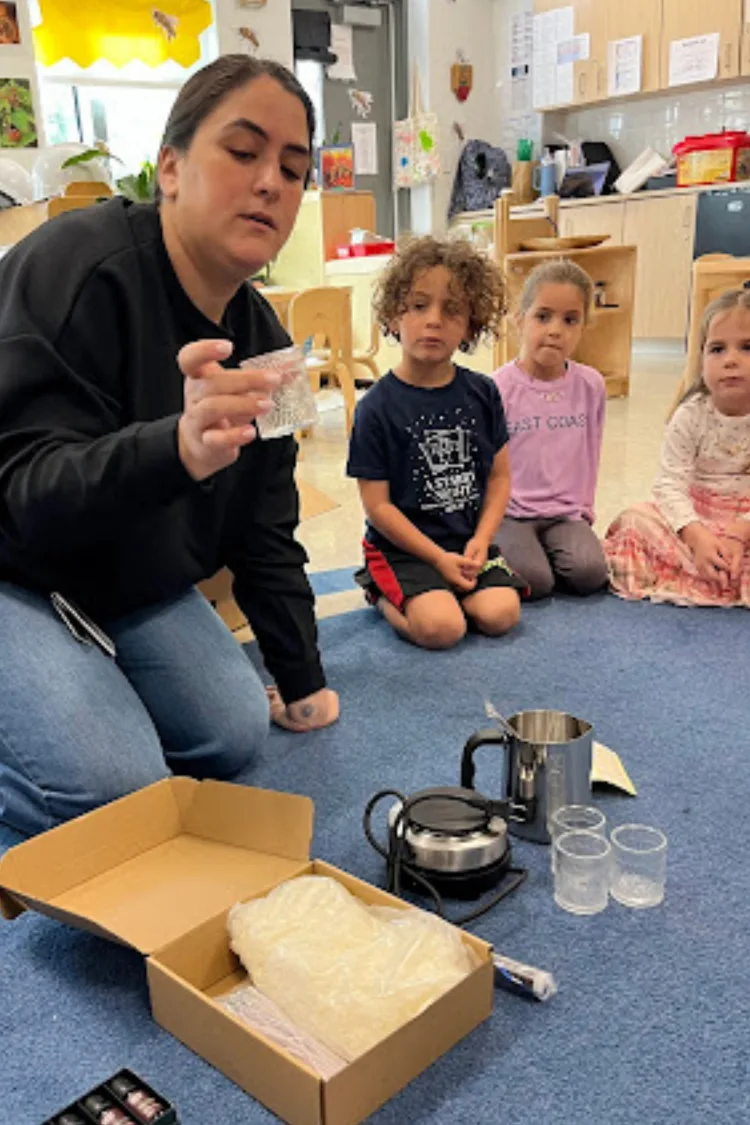
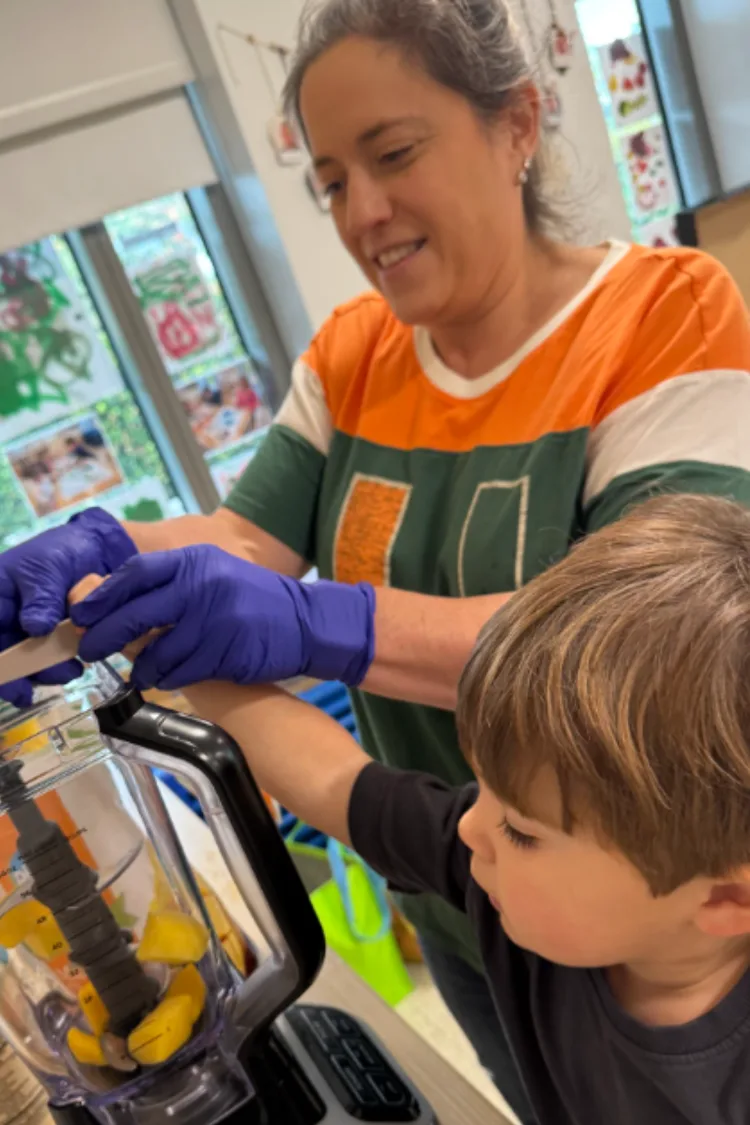
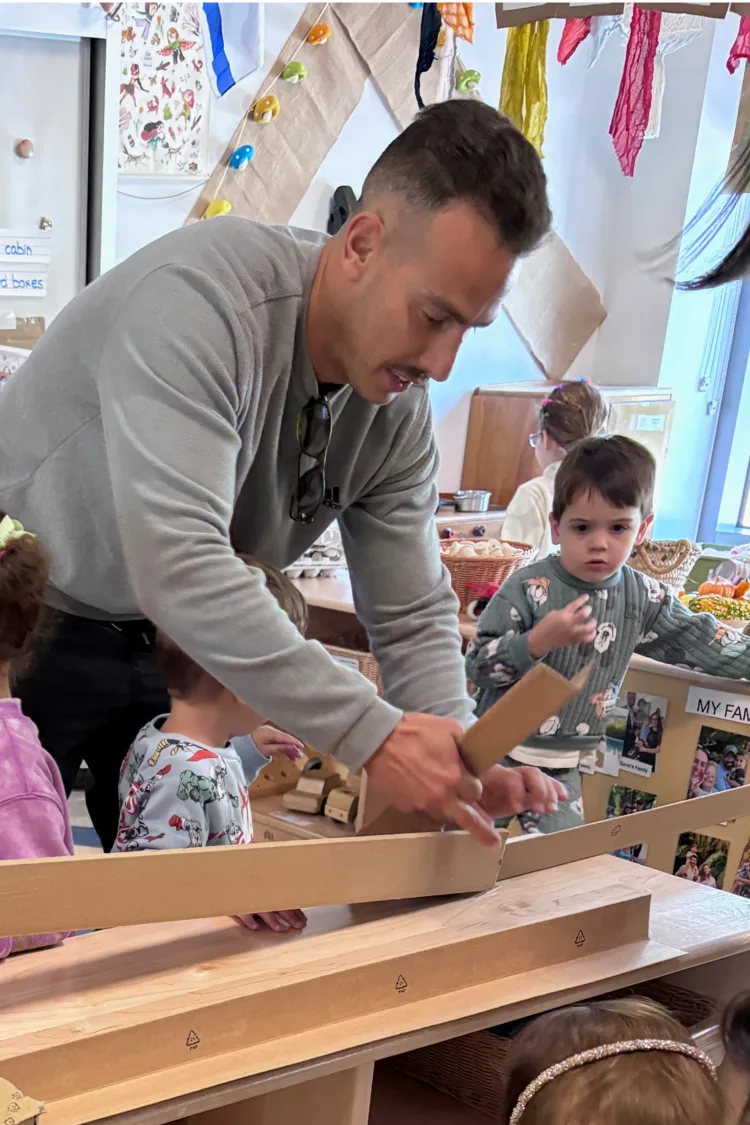
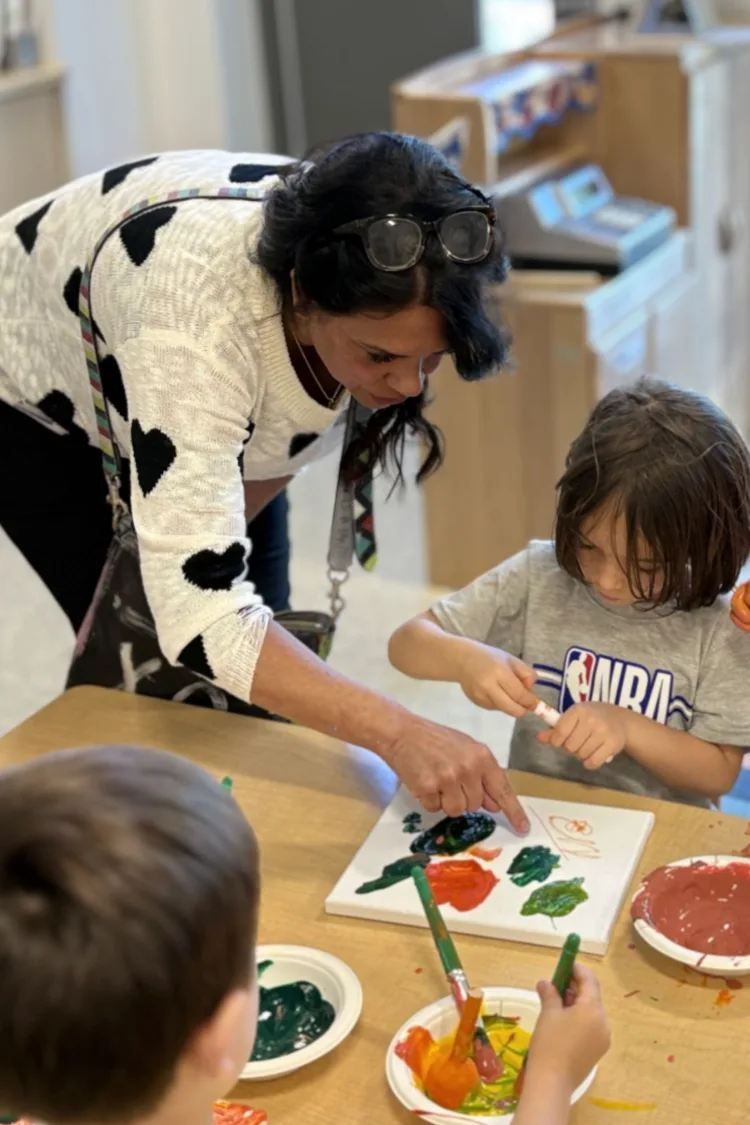
In early childhood, learning comes to life through our Project Approach, and one of the most exciting parts is welcoming visiting experts into the classroom. When children hear from real people about real experiences, their curiosity grows, and their learning feels meaningful and connected to the world around them. Visiting experts help spark questions, build language, and show children that learning happens everywhere, not just at school. The best part? ANYONE CAN BE AN EXPERT! Whether you want to share your job, a hobby, or something you love, your experiences can make a big impact. We encourage parents and family members to sign up for their child’s classroom and join us in making learning hands-on, personal, and fun!