March 2026 / Nissan 5786
From Nora’s Desk:
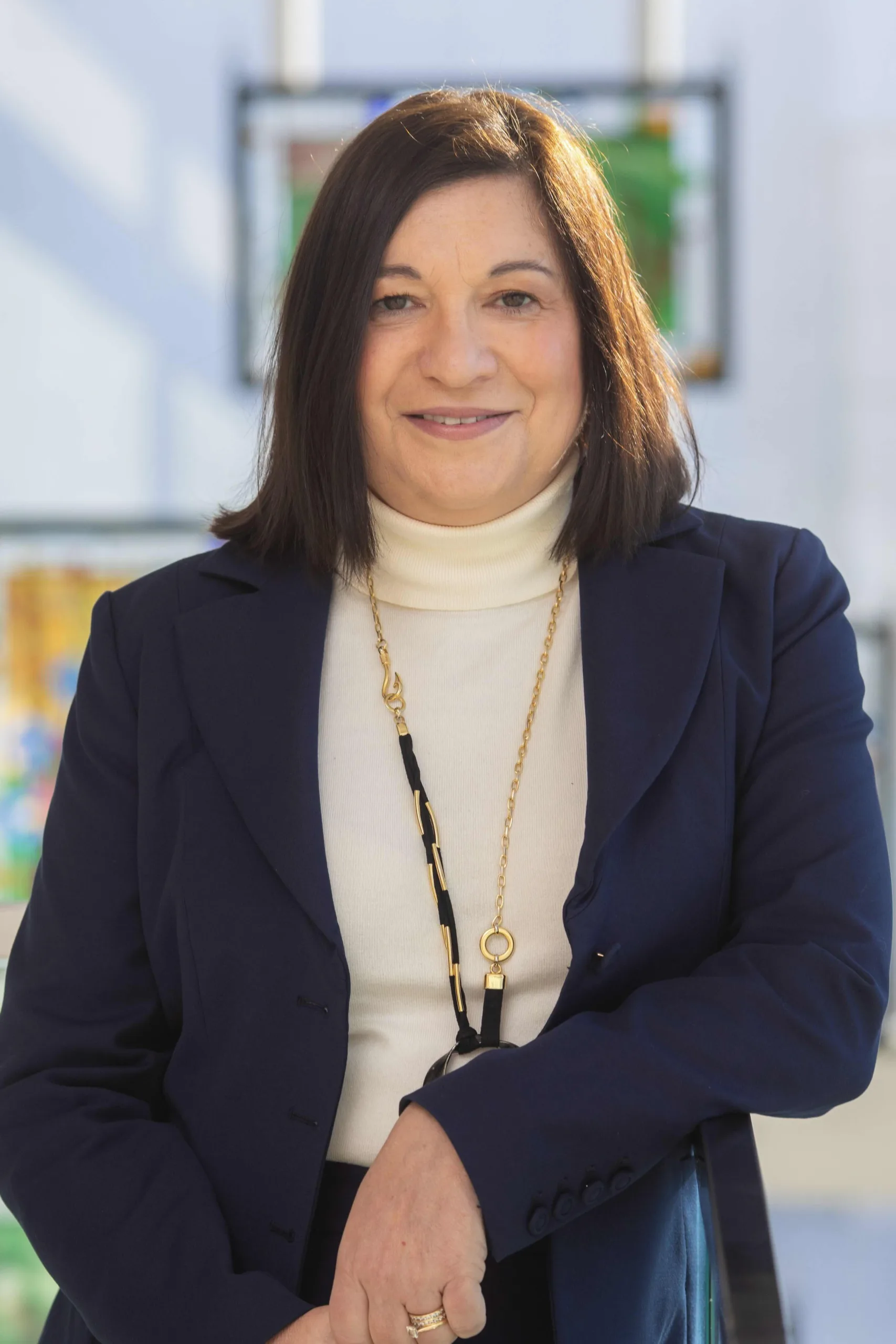
Reflections from the Head of School
What a spectacular event and evening we had honoring one of Rambam’s most cherished educators! The Annual Auction was a tremendous success on every level, filled with laughter, meaningful connections, and a heartfelt tribute to our superstar, Susy Novak. The funds raised will help strengthen campus security, enrich our curriculum, support our incredible teachers, and so much more. Thank you, Rambam community, for embracing the auction spirit and showing up to support Susy and our school!
A special thank-you goes to our fabulous co-chairs, Erica Cromer and Jen Levine, whose remarkable ability to design and execute such an event is truly a gift to our community. We are equally grateful to their entire team, everyone who solicited, set up, packaged, and performed all the other necessary tasks. Thank you to our extraordinary faculty, the early childhood teachers who led each class’s project and our gifted art teacher, Amy Kutell. Rambam Day School is a fantastic place, but only because of each and every one of you.
In addition to the auction, we also celebrated Purim this month. After a week of special dress-up days, the whole school came together for a joyful and meaningful celebration. Early childhood students showed their spirit by participating in a Purim singalong, wearing costumes, and eating hamantaschen. Elementary students began their day with a special first-grade play. Thank you to our talented group of first graders for their magical performance! The festivities continued throughout the day with a variety of activities, including a carnival, PE activities, a classroom fashion show, and a Purim newscast. The day wrapped up with a whole-school Megillah reading and a mishloach manot swap between classes, a beautiful reminder of the spirit of generosity at the heart of Purim.
Our celebration of Susy this month also brings an exciting and meaningful announcement. In recognition of all that Susy Novak has contributed to Rambam over the years, the school has established the Susy Novak Teacher Fund. The fund is dedicated to supporting the professional growth of our educators and ensuring that our faculty are compensated in a manner that reflects the skill, heart, and commitment they bring to school every day. Susy has spent her career championing the people around her, and the Susy Novak Teacher Fund is a way of honoring that spirit by investing in the teachers who make Rambam such a special place. We are proud to carry her values forward and look forward to the impact this fund will have for years to come.
Shabbat Shalom!
Middah of the Month
עֲנָוָה (Anavah) Humility
Knowing we’re special, and so is everyone else.
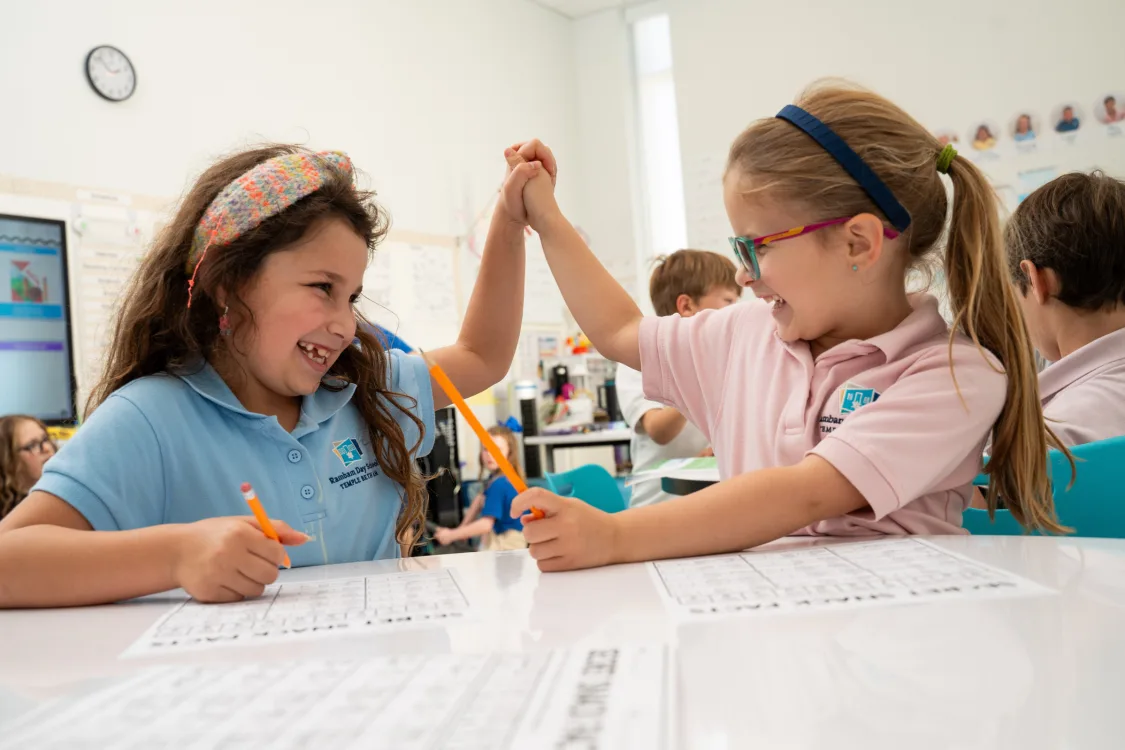
This month, our students are exploring the beautiful middah of Anavah (humility). They are learning that humility isn’t about making themselves smaller, but about recognizing their strengths while honoring the value of others. In the classroom, students are discovering how to be proud of who they are without bragging, listening and learning from others, and acting with kindness and respect rather than seeking the spotlight.
Through practice, they are building confidence, taking responsibility for mistakes, and becoming better listeners and teammates. They are sharing, taking turns, celebrating each other’s successes, and expressing hakarat hatov (gratitude) for the support they receive. By embracing Anavah, our students are helping create a classroom and community where everyone feels valued, included, and important.
English Language Arts
Storytelling with 4th Grade
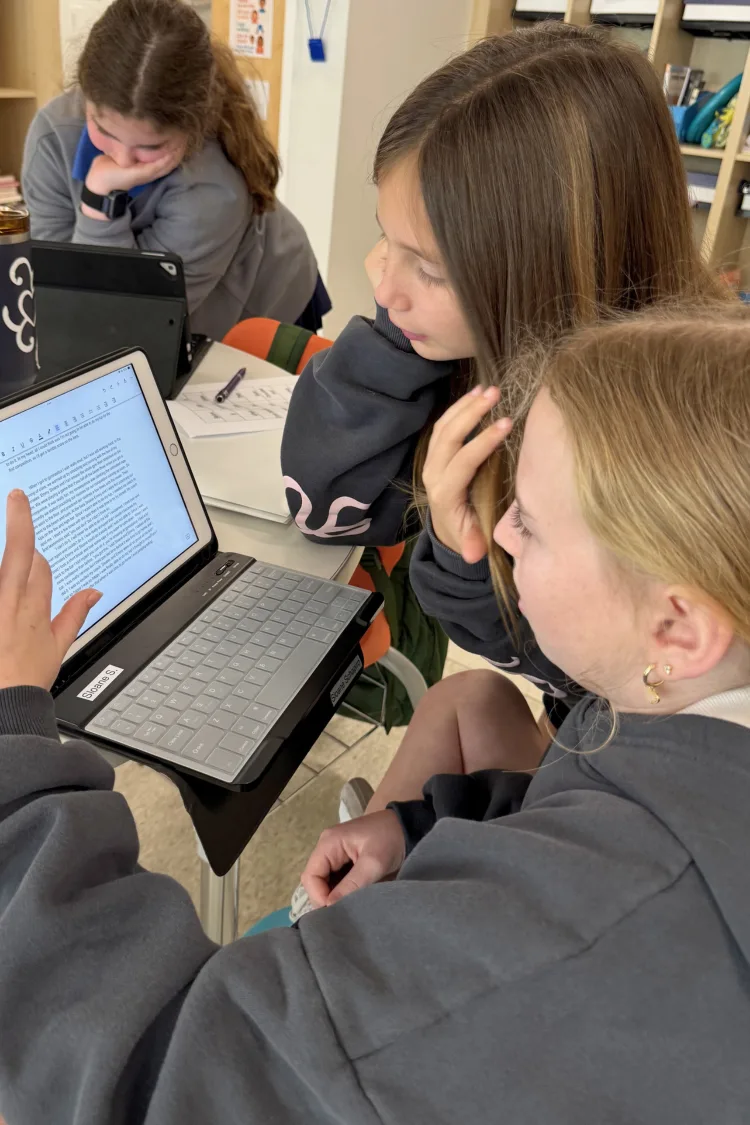
In writing, students are diving into one of the most meaningful and memorable units of the year: their personal narrative memoirs. Each student is carefully selecting a significant moment from their life, whether it’s joyful, challenging, or unforgettable, and learning how to transform it into a powerful story. Through this process, they are developing their voices as writers, using vivid sensory details, figurative language, and thoughtful reflection to truly bring their memories to life for the reader.
Students are being encouraged to zoom in on small moments, adding dialogue, emotions, and descriptive language so their audience can see, hear, and feel the experience alongside them. As their drafts grow, so does their confidence in sharing personal stories and connecting with others through writing.
This cherished assignment often becomes a highlight of the year, with many students taking great pride in their work and choosing to have their memoirs displayed at the Spring Fair, a celebration of their creativity, growth, and unique stories.

MATH
Building a Zoo with 3rd Grade
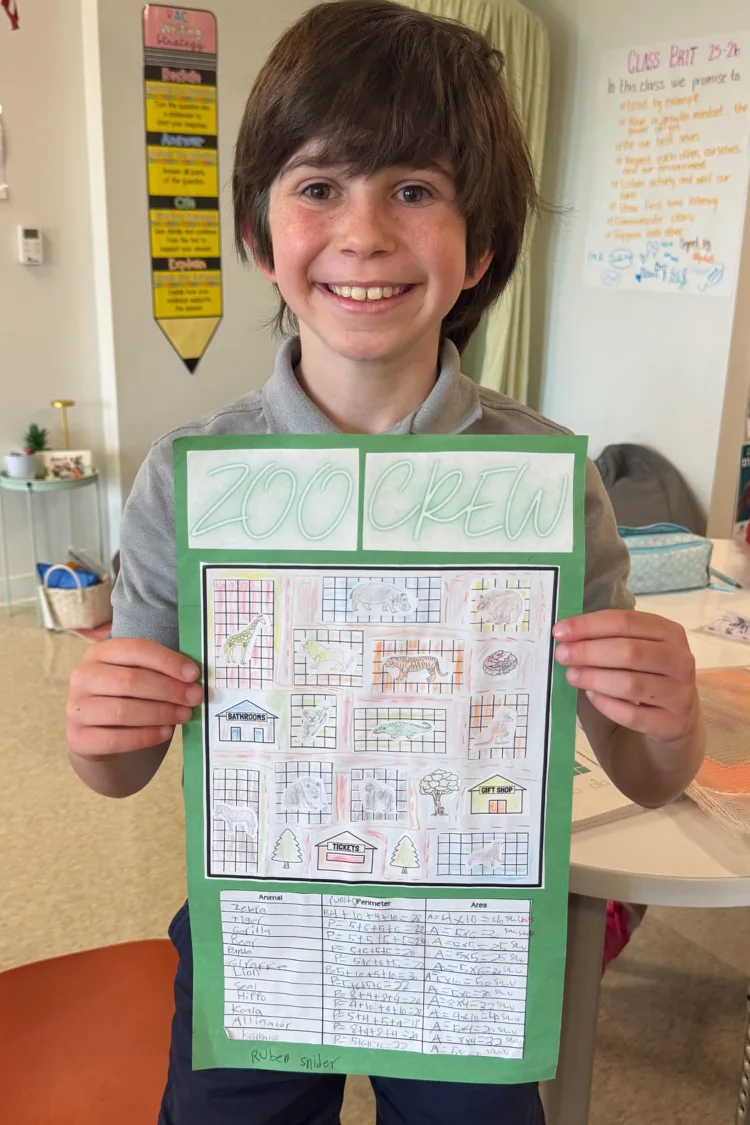
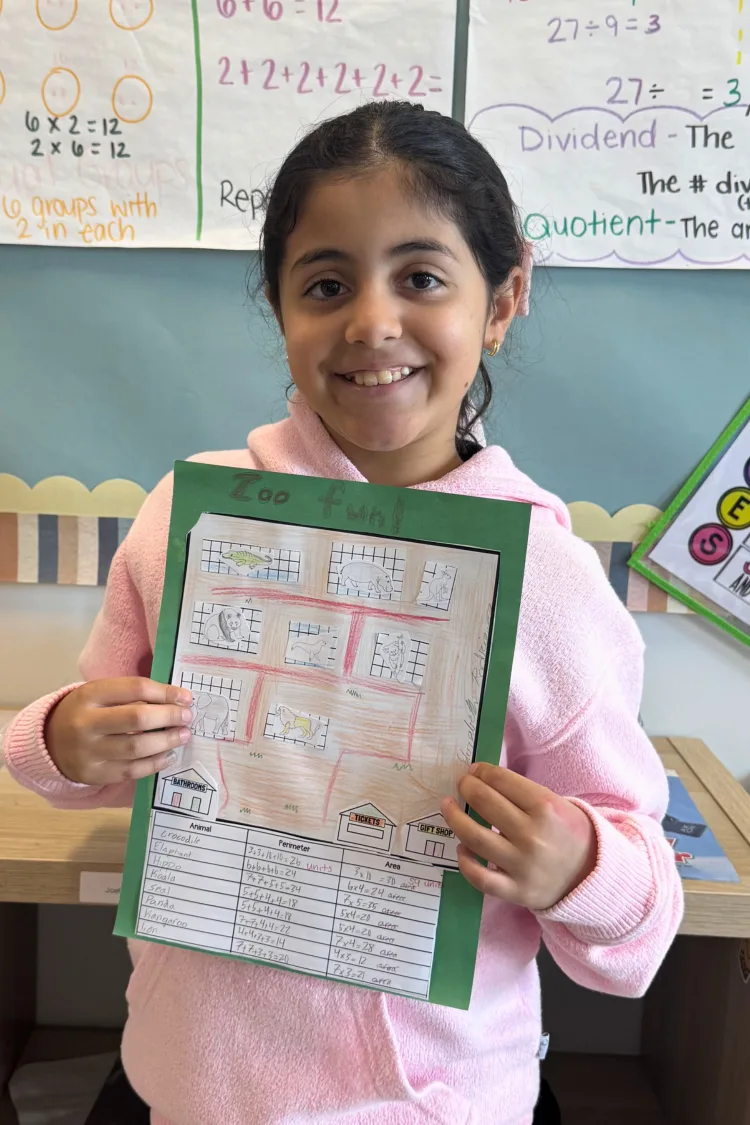
Third graders have been exploring the world of area and perimeter, discovering how to measure and make sense of the spaces around them. They put their skills to the test by designing a zoo, figuring out the measurements for animal enclosures based on specific requirements. Now, they’re taking their learning to the next level, using multiplication to solve division problems! By connecting these concepts, students are sharpening their problem-solving skills and seeing how math pieces fit together in clever, real-world ways

STEM Spotlight:
Coding in 1st Grade Technology
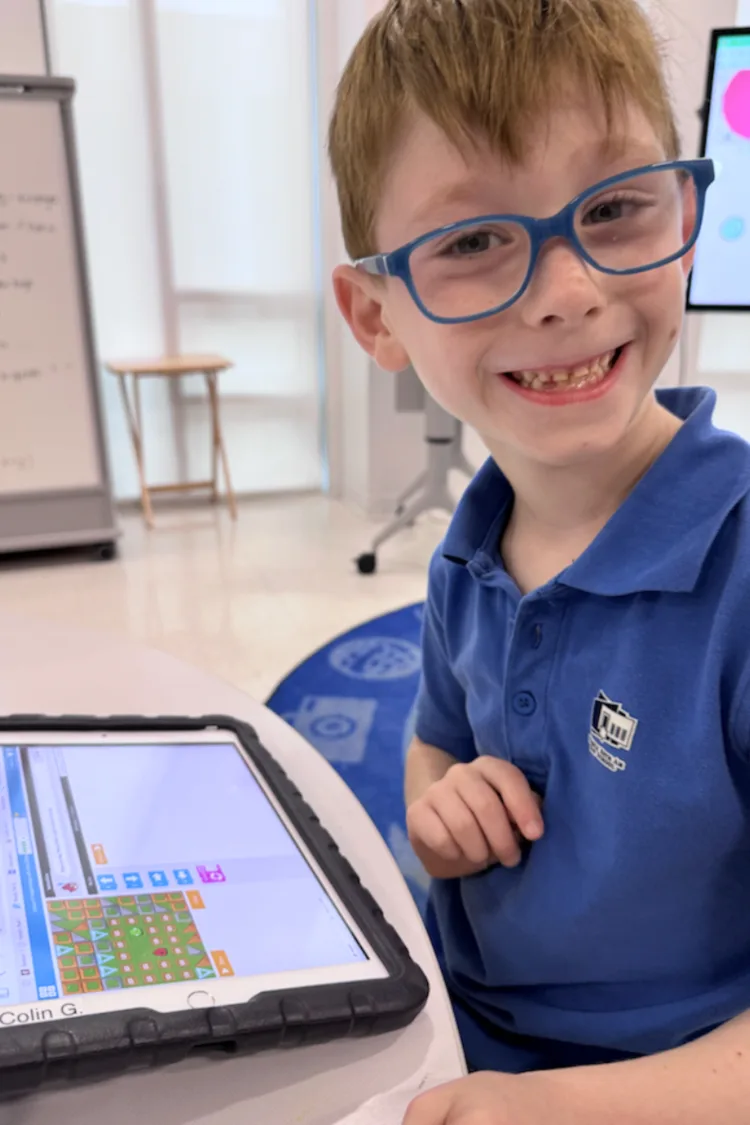
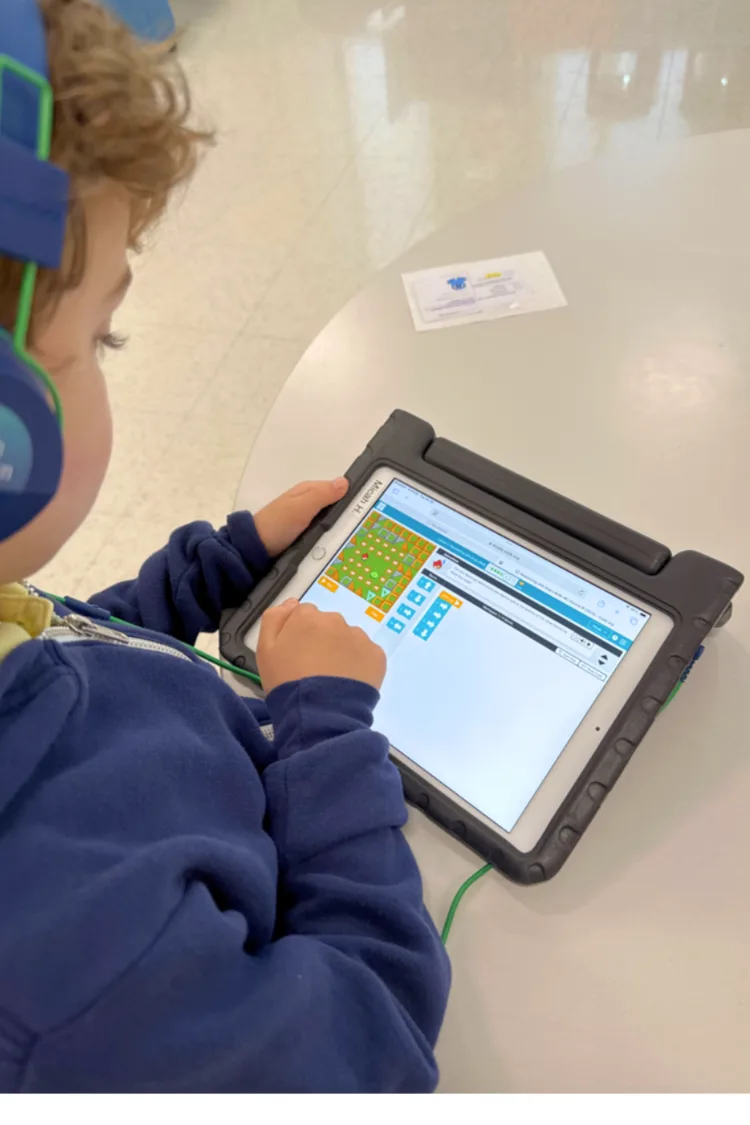
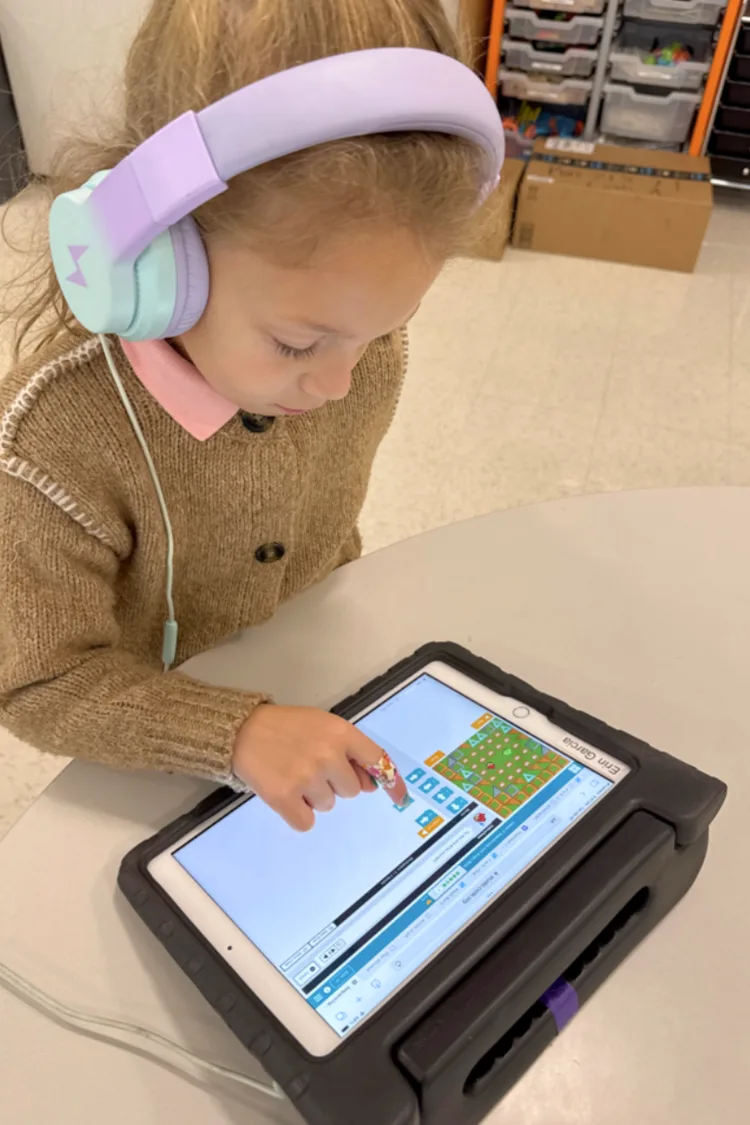
Over the past few weeks in technology class, the first-grade students have been working to build their coding skills. The focus is on shifting students from being passive technology consumers to active problem-solvers. At this level, students primarily explore algorithmic thinking, which is the idea that a task can be broken down into a sequence of logical steps. They learn that computers and robots are “smart” but follow instructions literally, which introduces the importance of precision and sequencing. Through hands-on activities (often unplugged or using block-based interfaces), students master key coding vocabulary terms, directional language, and debugging, learning to view “bugs” or mistakes not as failures, but as opportunities to refine their logic. By the end of the unit, they transition from simple linear paths to understanding basic loops (repetition) and events (cause and effect), providing a foundational “literacy” in how digital worlds are built.
HEBREW
Welcoming a New Letter in Kindergarten
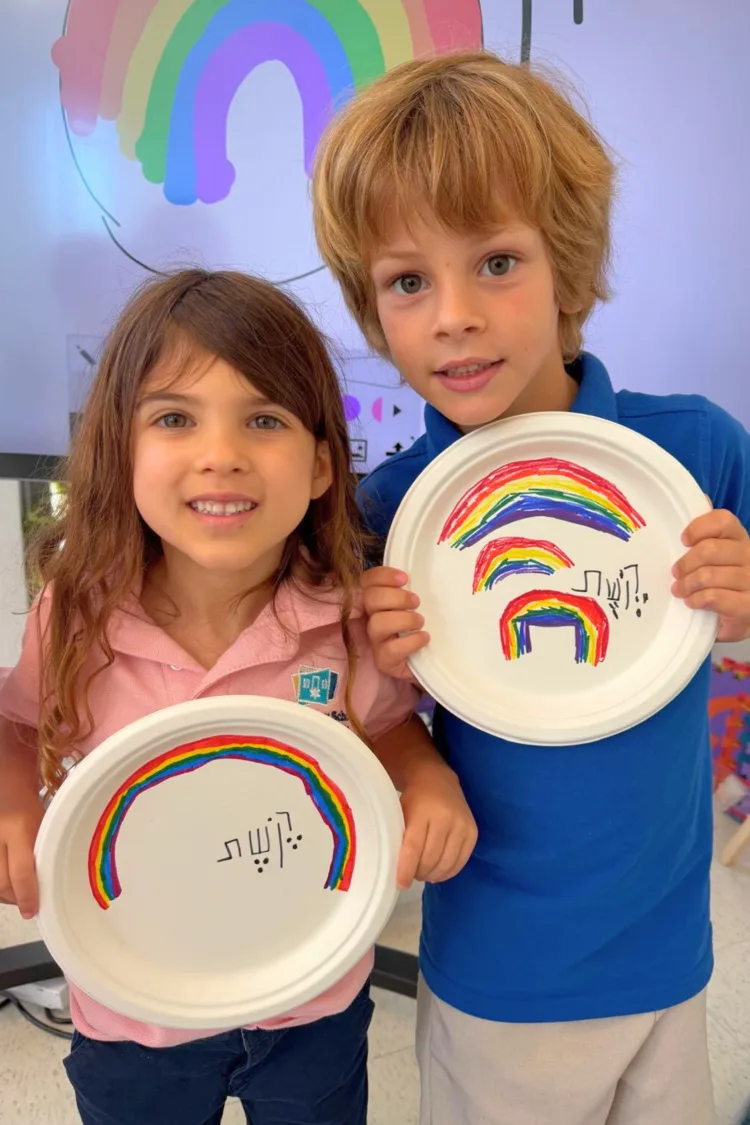
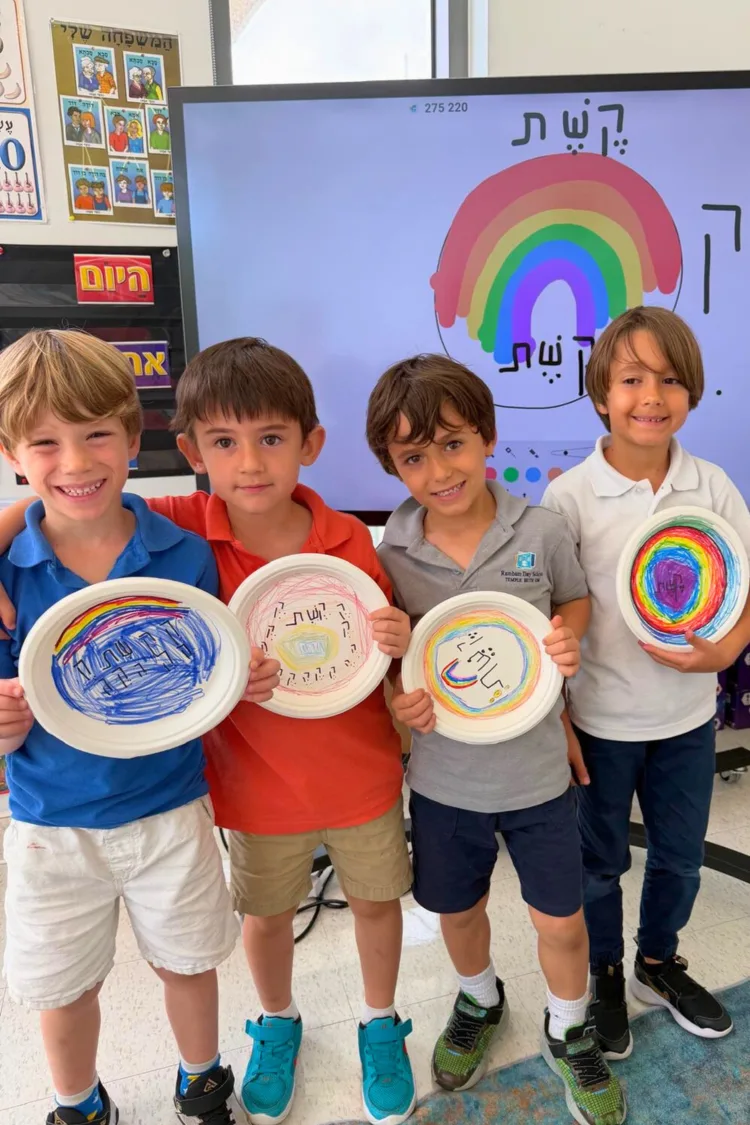
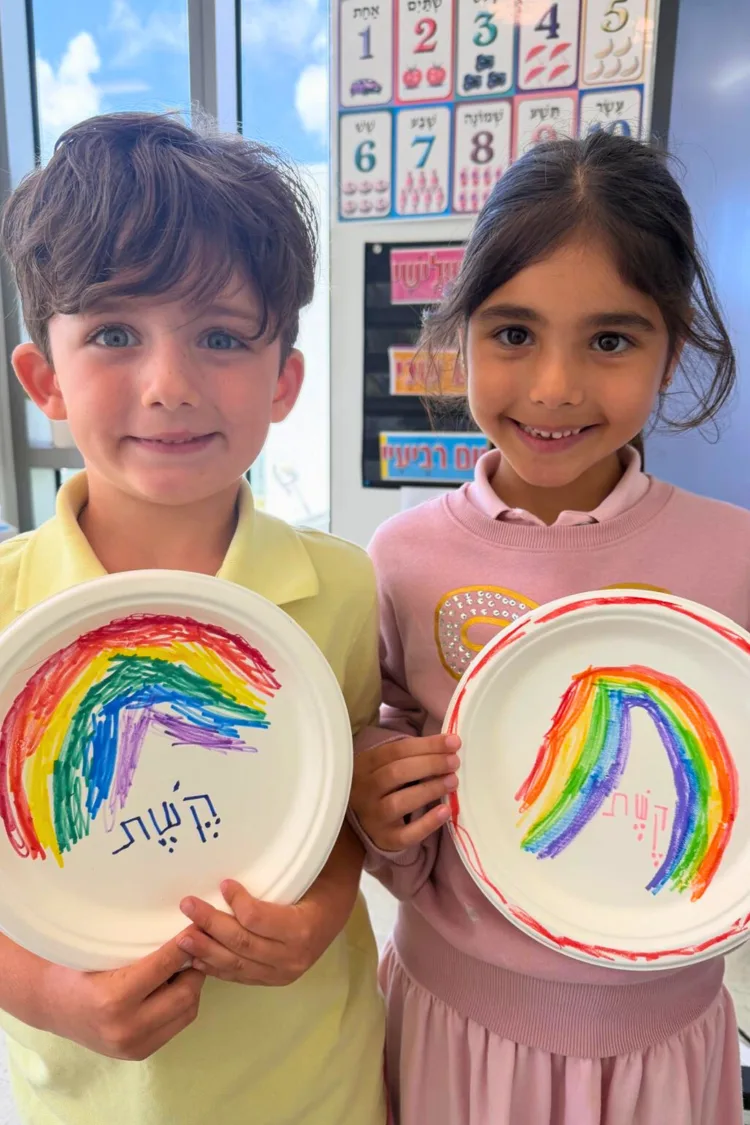
Our kindergarten Hebrew students are excitedly expanding their Hebrew alphabet repertoire with the addition of the letter Koof! As they continue building their foundational skills, students are engaging with each letter in meaningful and memorable ways.
Through project-based learning, they brought their learning to life by creating a keshet—the Hebrew word for rainbow—connecting their new letter to a colorful, hands-on experience. This creative approach helps reinforce letter recognition while making learning joyful and engaging!
ART
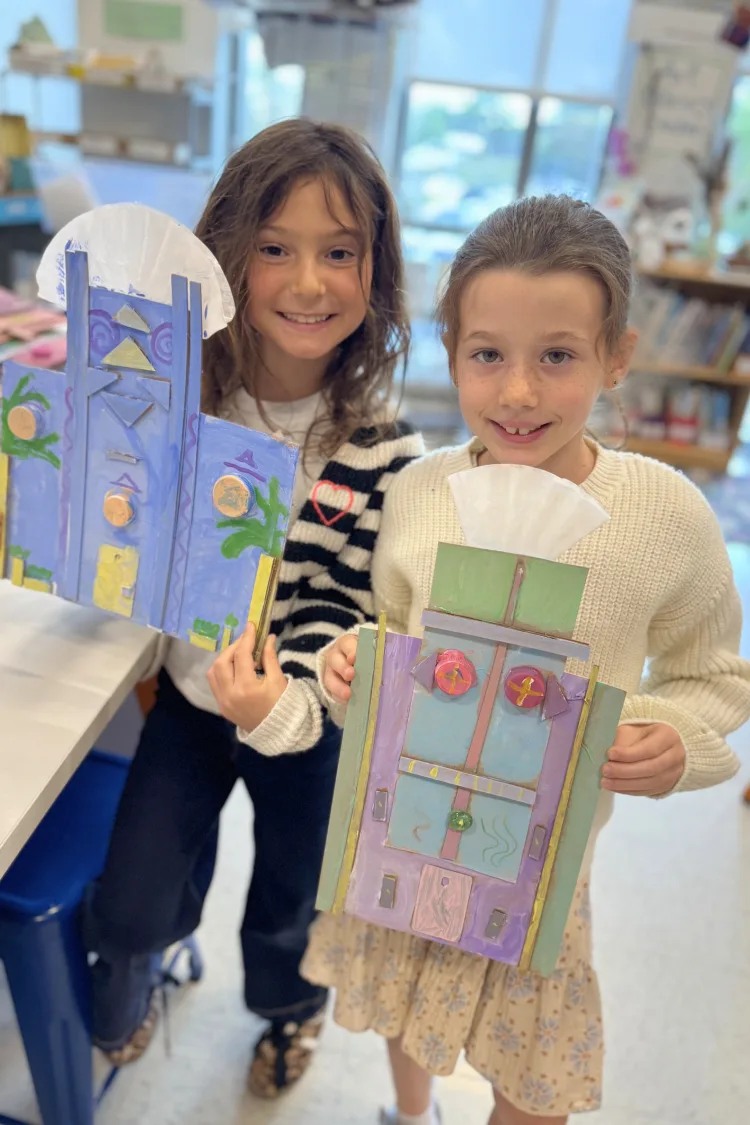
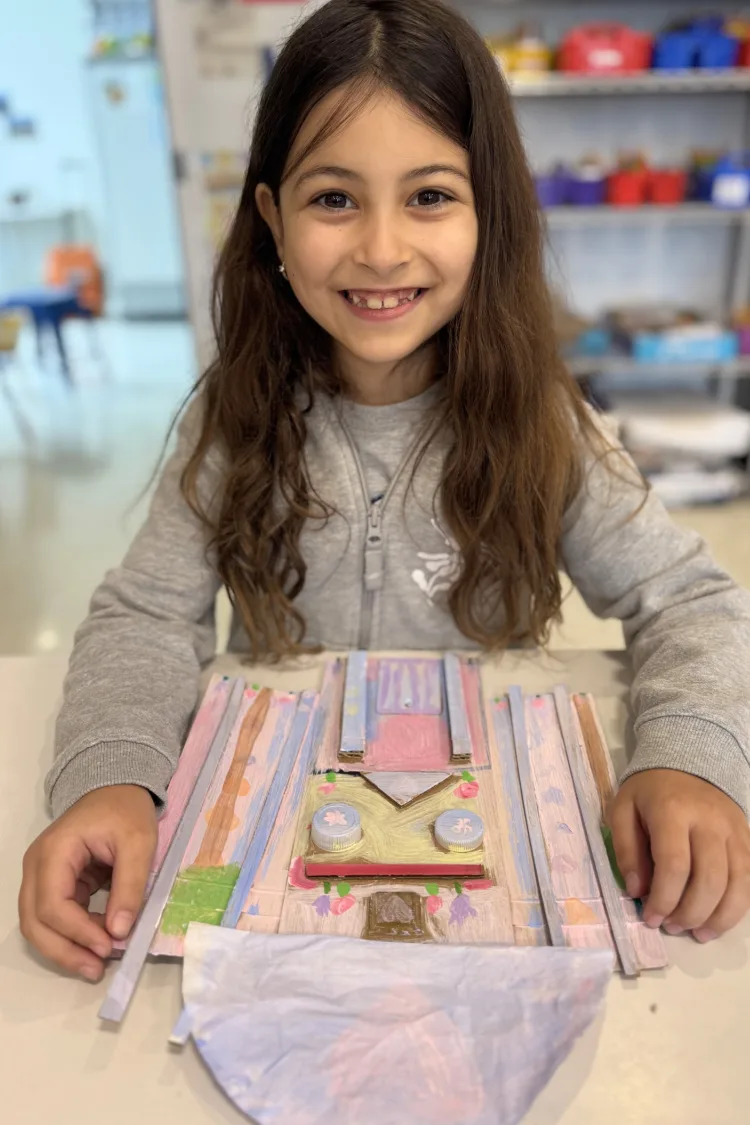
Building the Art Deco Skyline with 2nd Grade
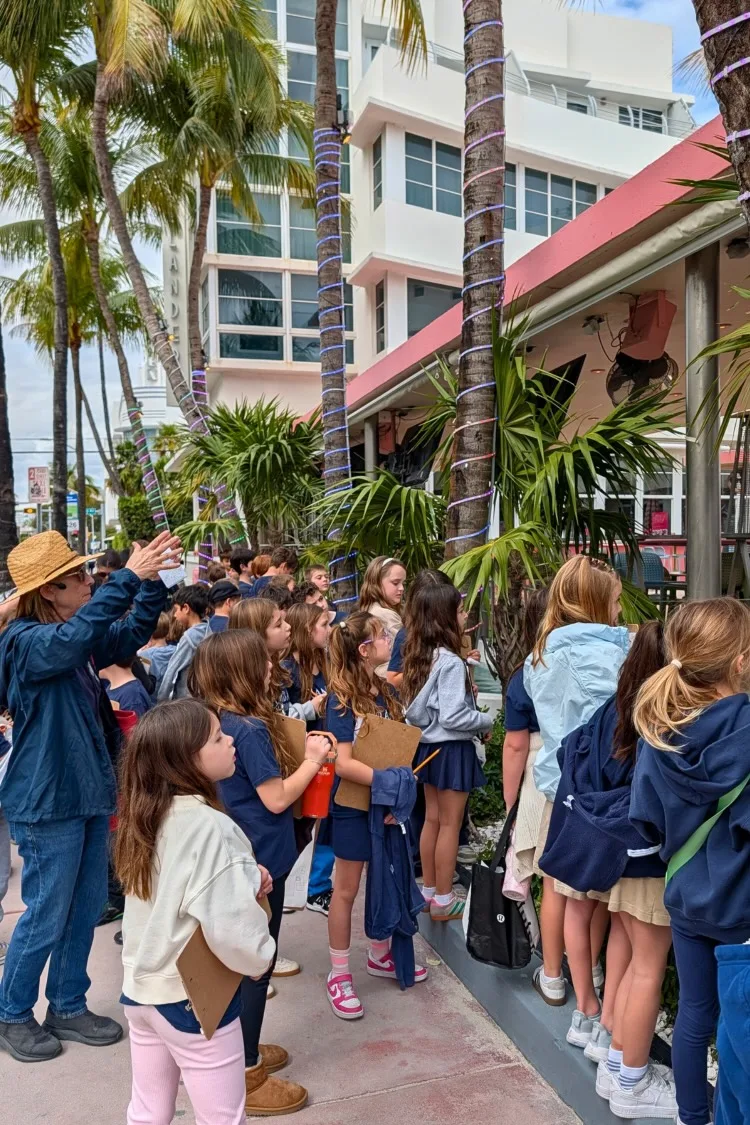
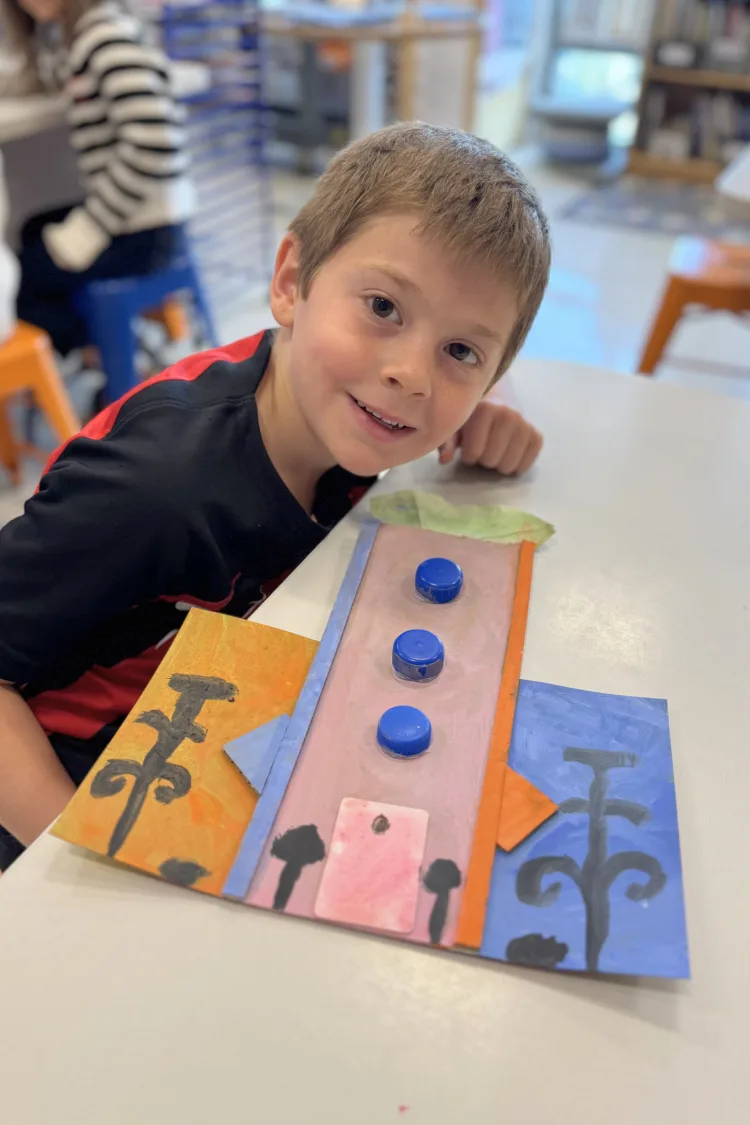
Second graders are putting the finishing touches on their Art Deco–inspired hotel projects, crafted entirely from recycled materials! This project builds on the creativity and inspiration from our Art Deco Walking Tour on February 4, where students explored the iconic style up close.
In their designs, students are thoughtfully incorporating elements they observed during the tour: ABA symmetry to structure their buildings, porthole windows that recall classic architecture, bas relief designs, and streamlined details that suggest speed and movement. Each student’s work showcases their understanding of Art Deco principles while expressing their own artistic vision.
These imaginative and environmentally conscious creations will soon be shared with the wider community, proudly displayed at our May Spring Fair, a true testament to their creativity, attention to detail, and love of learning!
5th Grade Trip
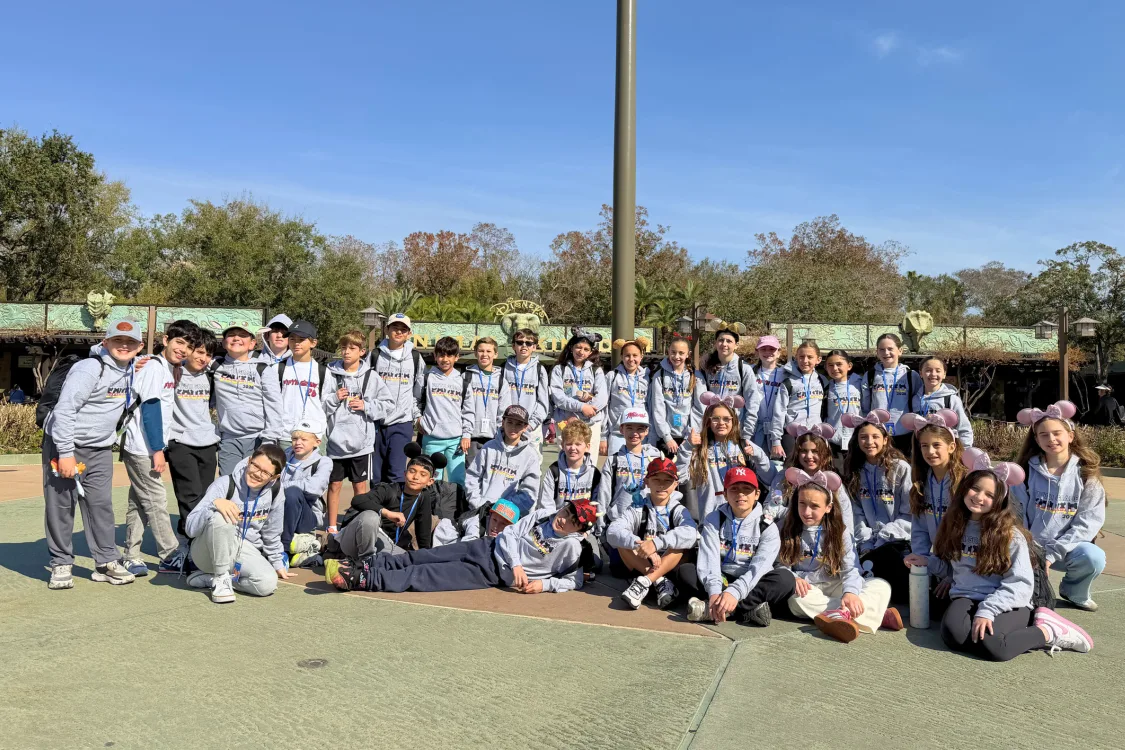
Experience the Magic of the 5th Grade Squad!
Fifth-grade students had an unforgettable trip to Magic Kingdom, Disney’s Animal Kingdom, and Tigertail Lake Recreation Center. At Magic Kingdom, they enjoyed exciting attractions while practicing teamwork, patience, and positive group behavior. At Animal Kingdom, students explored wildlife and natural habitats, deepening their understanding of animals and conservation.
Their visit to Tigertail Lake Recreation Center brought adventure to life, as students took on outdoor challenges that built confidence, resilience, and trust. Throughout the trip, they demonstrated independence, responsibility, and strong decision-making skills.
Most importantly, the experience strengthened friendships and fostered a strong sense of community within the class. Students embraced new challenges, stepped outside their comfort zones, and supported one another every step of the way. This trip served as a meaningful culmination of their elementary school journey, filled with growth, joy, and lasting memories.
Executive Functioning:
Brain Power in Action!
A foundation for life skills at school and at home.
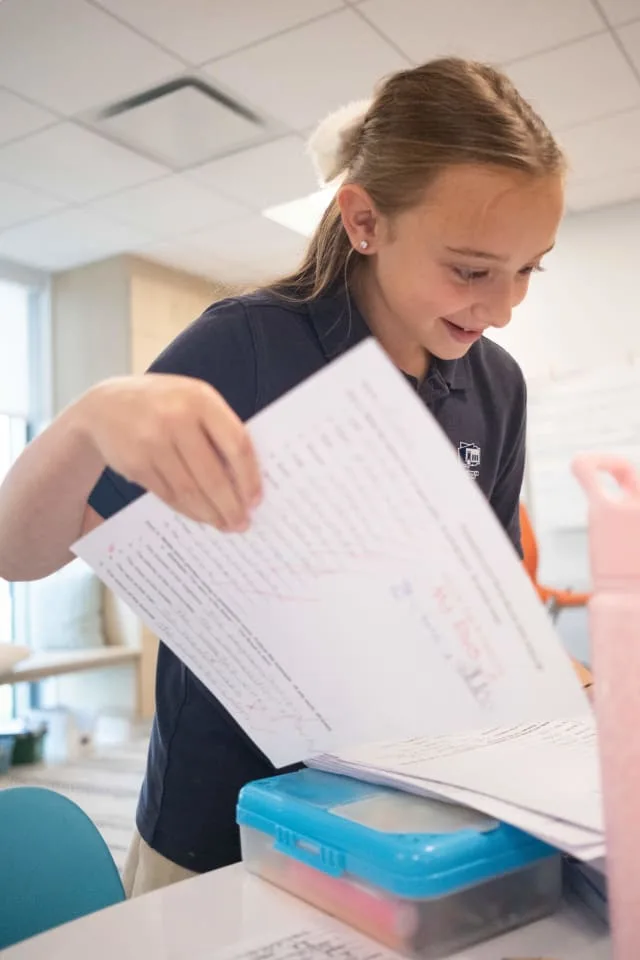
Each month, we will highlight simple yet powerful strategies to help students strengthen their executive functioning skills: the mental tools that support organization, planning, focus, and self-control. Executive functioning is like the brain’s air traffic control system: it helps children manage their thoughts, actions, and emotions so they can stay organized, focus on what’s important, plan ahead, and adapt when things don’t go as expected. Just like muscles, these skills grow stronger with practice, and the tools we share each month are designed to give students fun and practical ways to build these lifelong abilities both at school and at home!
Tool of the Month: Intrinsic vs Extrinsic Motivation
Helping students understand the difference between intrinsic and extrinsic motivation is a powerful tool for building lifelong learning habits. It’s perfectly normal for students to need some extrinsic motivation, like a reward or incentive, to get started on or complete a task. Over time, these supports help them develop internal motivation to take initiative on their own.
When encouraging motivation, focus on praising effort and work ethic rather than just the end product or grade. For example, if a child is excited to earn screen time on the weekend, that can be used as motivation to complete daily homework or reading.
Extrinsic rewards don’t have to be digital; they can also be meaningful experiences, such as:
- Earning an ice cream or park outing with a friend
- Playing a game with a parent or caregiver
- Spending time in nature, like a family bike ride or neighborhood walk
By pairing effort with these positive reinforcements, students learn the value of persistence and responsibility, gradually strengthening their intrinsic motivation to succeed.
Early Childhood:
Project Spotlights!
In Early Childhood, we believe the best learning happens when children explore, create, and investigate through hands-on experiences. Our project-based approach gives students the opportunity to dive deeply into topics that spark their curiosity, encouraging critical thinking, problem-solving, collaboration, and creativity along the way.
Here’s a snapshot into some of the amazing projects happening across our classrooms, showcasing how our youngest learners turn ideas into action and bring their discoveries to life!
18 months: Natural Materials
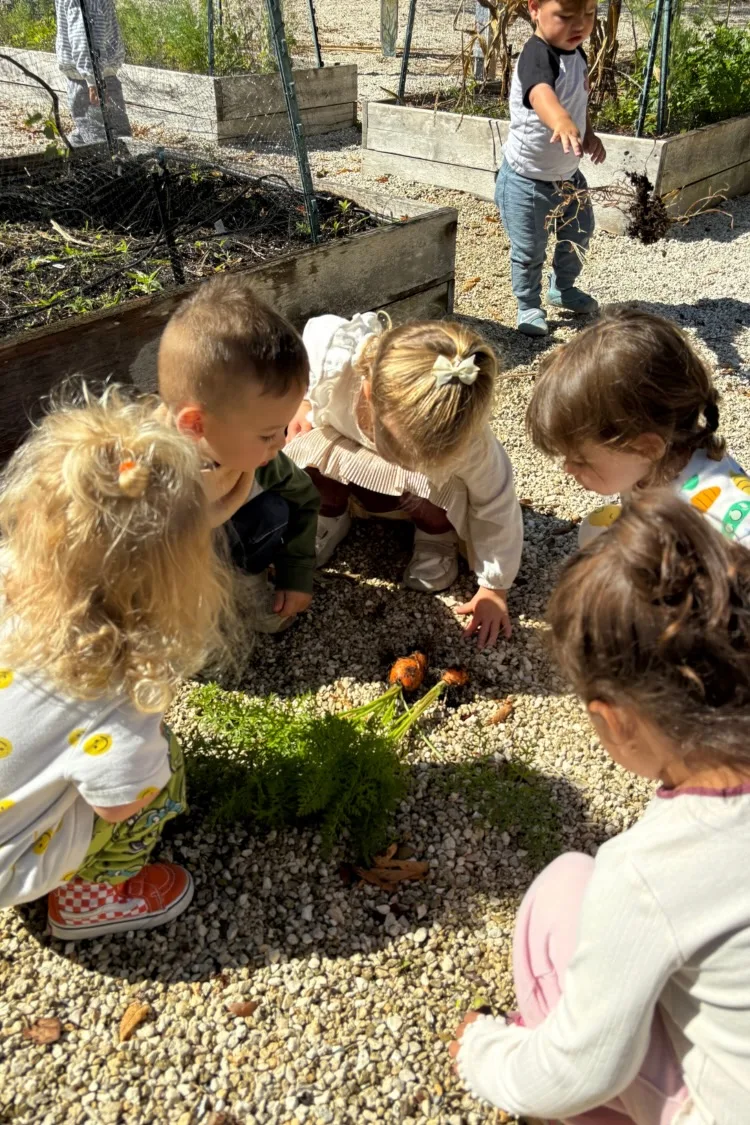
Our youngest learners are diving into a sensory-rich exploration of natural materials, discovering the beauty and creativity found right outside their classroom. Using items like clay, leaves, and sticks, the children have been creating unique and meaningful art pieces that reflect their curiosity and imagination. They’ve also experimented with painting using vegetables like beets and celery, and crafted colorful collages from dried flowers, turning everyday natural elements into works of art. Regular visits to the mango grove, garden, and preserve give students the opportunity to gather materials firsthand, deepening their connection to nature.

2's: Cardboard
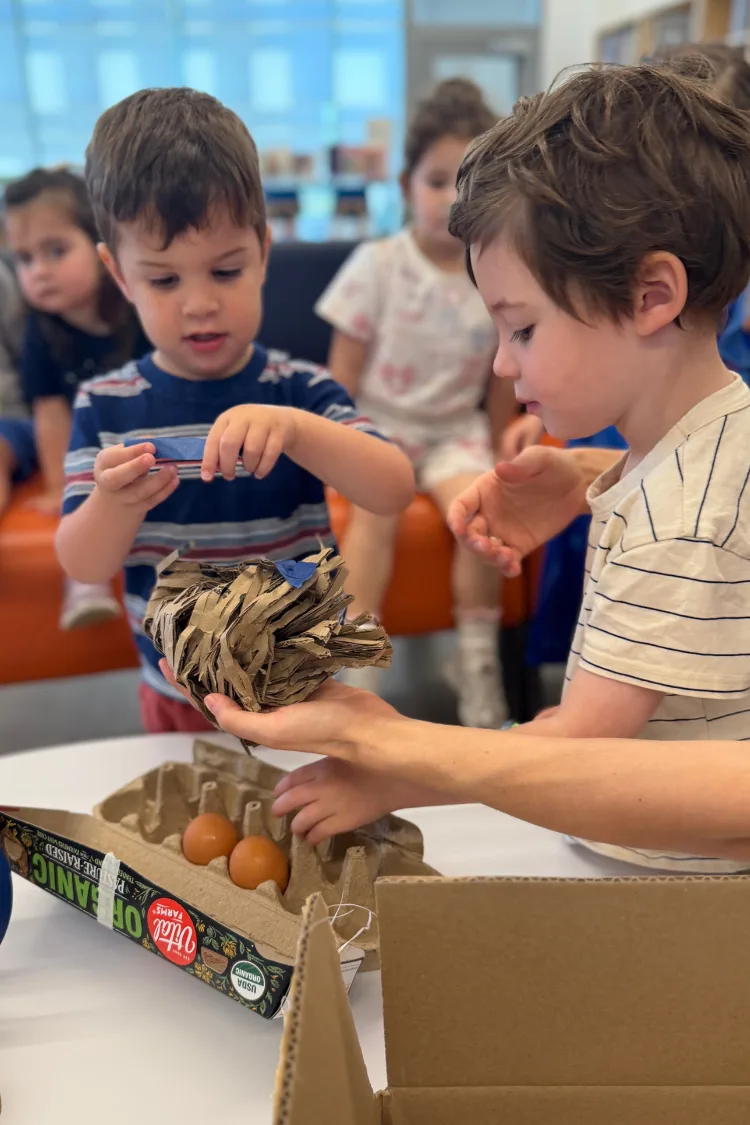
This 2’s class has been exploring the many possibilities of cardboard, turning a simple material into a tool for creativity, collaboration, and discovery. As part of their project, students engaged in a hands-on experiment that combined building, predicting, and testing their ideas. Using different cardboard containers, the class carefully packed eggs and then dropped them from the second floor of the atrium to see which designs would best protect their fragile cargo. Afterward, students observed and discussed the results, discovering which structures were strongest and why. In addition to their experiments, students worked together to build an airplane large enough for the whole class, an exciting example of teamwork and imagination in action! This dynamic project is encouraging curiosity, problem-solving, and early scientific thinking, all while having a whole lot of fun!
3's: Plants
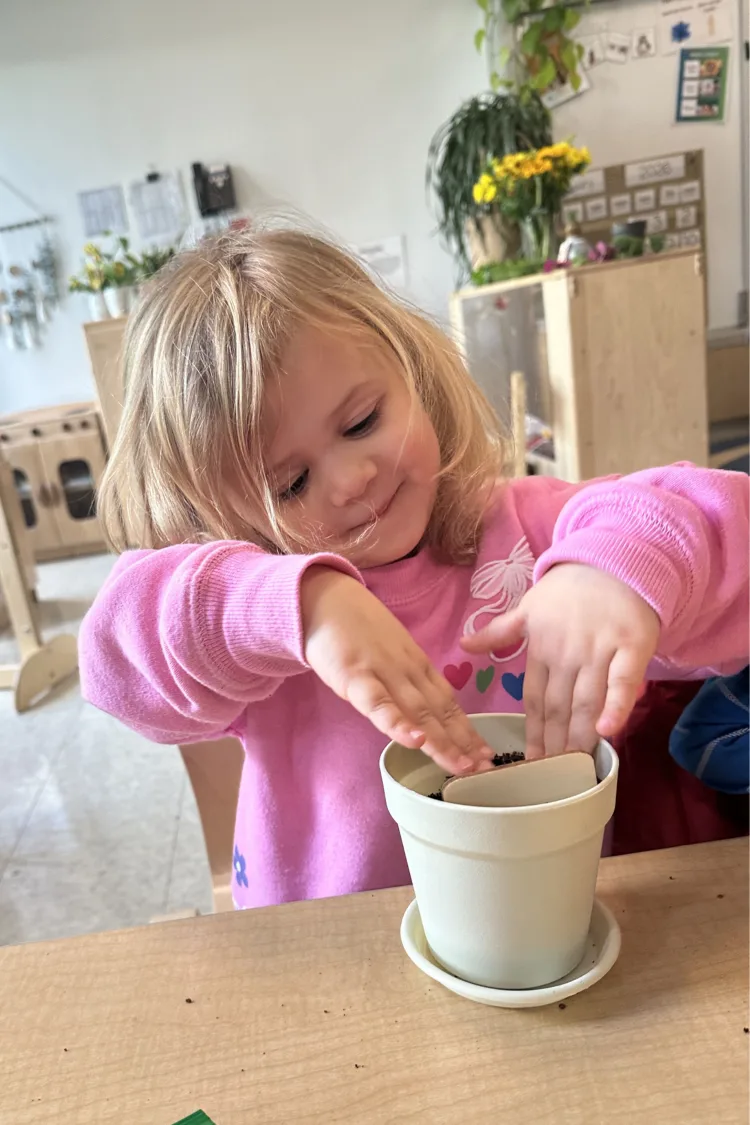
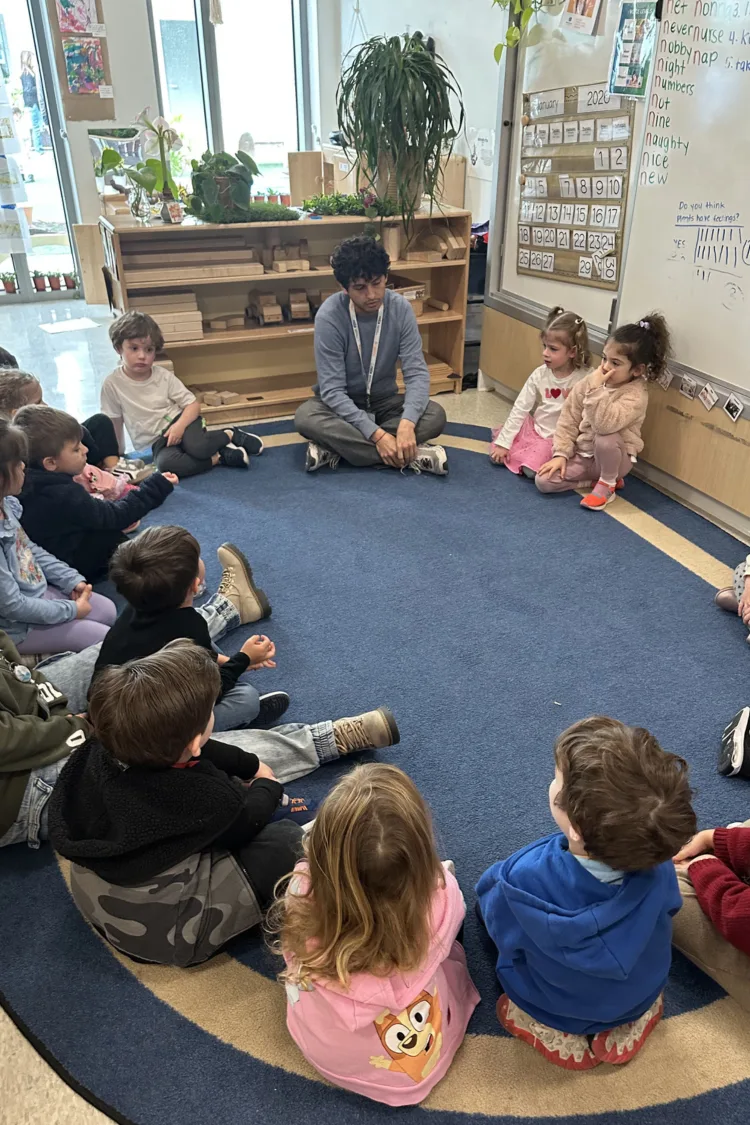
This 3’s class has been diving into an exciting and thought-provoking study of plants, beginning with a campus-wide survey asking faculty and staff a big question: Do plants have feelings? To help explore this idea, students welcomed a very special visiting expert, our kindergarten and 1st grade science teacher, Mr. Lucas, who introduced them to the work of real scientists. He taught the children how scientists ask questions, make educated guesses (hypotheses), and test their ideas through experiments. Most importantly, they learned that if a hypothesis isn’t correct, scientists don’t give up, they keep asking questions and trying again! Inspired by this learning, the class designed their very own experiment. They will observe two identical plants, speaking kindly to one and negatively to the other, to see how each one grows over time. Students predict that the plant receiving kind words will grow strong and healthy, while the other may struggle. As they track changes and collect data, our young scientists are building curiosity, critical thinking skills, and a deep sense of wonder about the natural world. We can’t wait to see what they discover!
4's: Building Scenarios
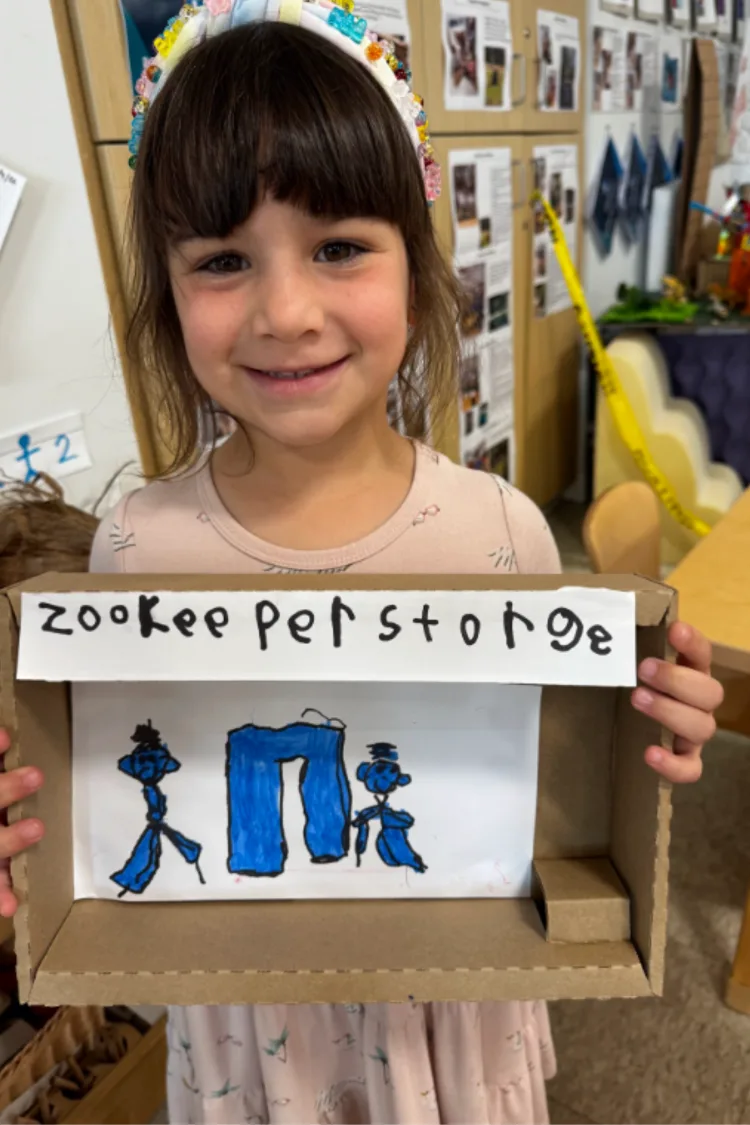
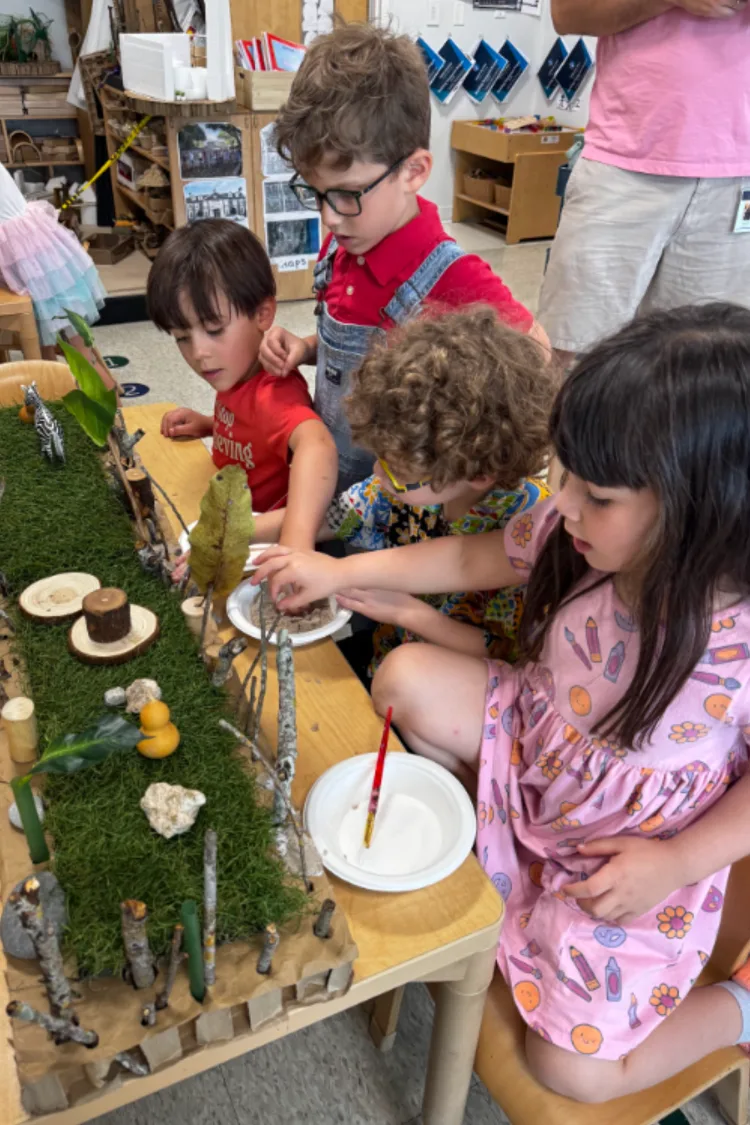
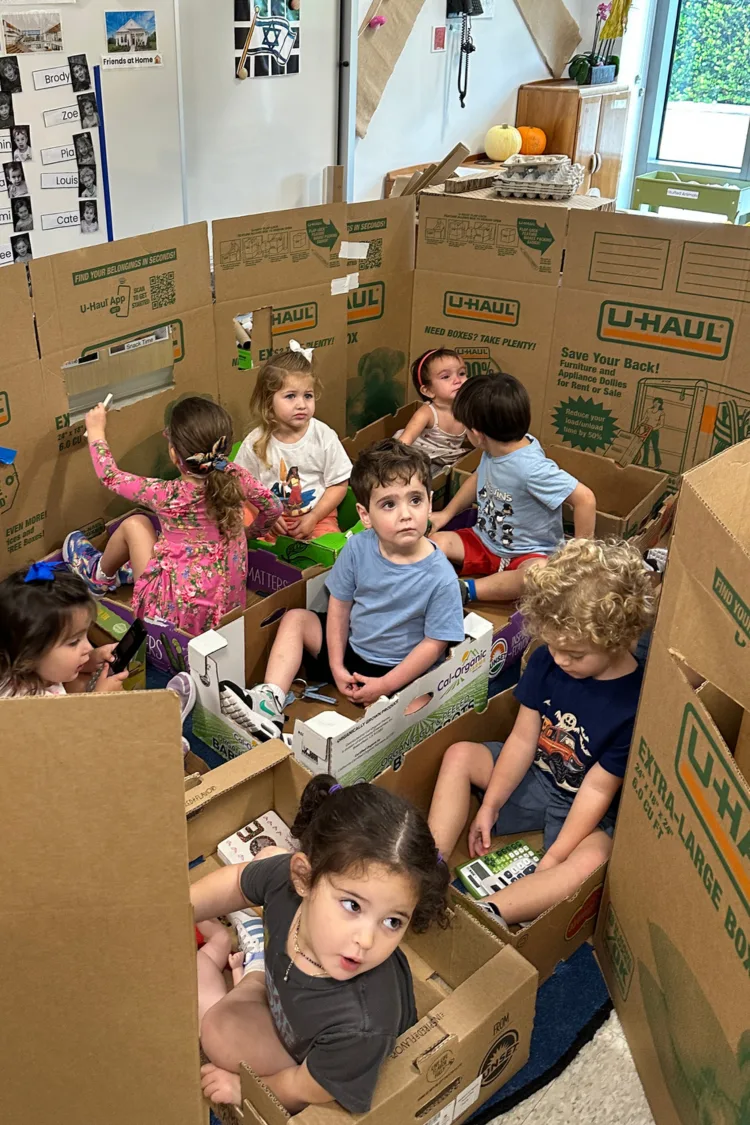
This 4’s class is diving into an exciting unit on building scenarios, and their current project is nothing short of incredible, a collaboratively designed classroom zoo! To kick off their learning, students visited Zoo Miami, where they explored how a real zoo is structured. The purpose of this field study was to observe how animal habitats, enclosures, and shared spaces are thoughtfully designed. Back in the classroom, students examined photos from their trip, carefully discussing what they noticed about the different environments and how each space supports the animals that live there. Together, they created a list of zoo features they still needed to build for their own project. Taking their learning even further, the class went on a field study around campus, searching for examples of similar structures and infrastructures. Now, working in teams, students are actively designing and constructing these areas, bringing their classroom zoo to life piece by piece. This project is a true showcase of collaboration, creativity, and critical thinking, simply incredible to watch unfold!