October 2026 / Cheshvan 5787
From Nora’s Desk:
Reflections from the Head of School
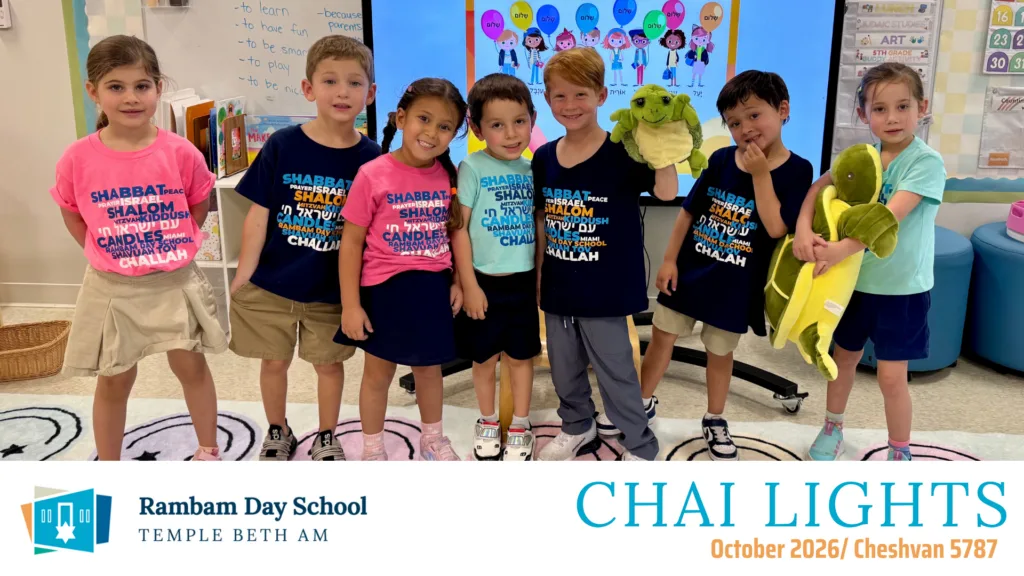
With the school year well underway, we’re excited to share the first edition of Chai Lights this year! Over the past month, it has been wonderful to see students settling into their routines, building friendships, and bringing their curiosity and enthusiasm into the classroom. Throughout the year, this newsletter will offer a glimpse into the learning, celebrations, and everyday moments that make our school community so special. We’re grateful to our teachers, students, and families for making this such a warm and vibrant start to the year.
Our busy season of Jewish holidays began with Rosh Hashanah, followed by Yom Kippur, the Day of Atonement. Students then returned ready to welcome the joy and energy of Sukkot. They celebrated with time in the sukkah, games, and special snacks. In class, they explored the meaning of the sukkah as a temporary structure. Built after Yom Kippur and taken down after Simchat Torah, the sukkah reminds us of the joy of our traditions while also helping us reflect on the fragility of life.
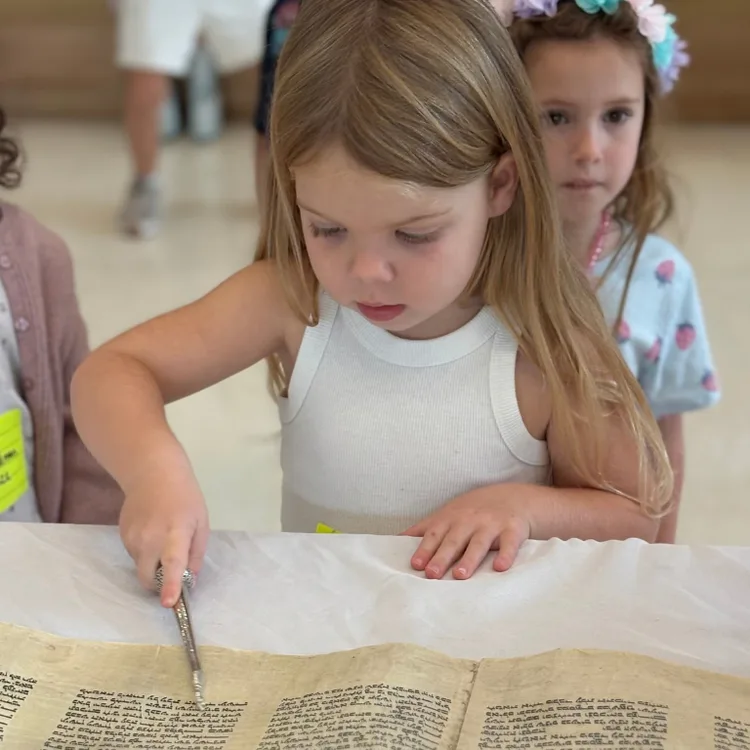
Following Sukkot, we celebrated Simchat Torah, marking the completion of the annual Torah reading cycle and the start of a new one. Students discovered the meaning behind the holiday, expressed their learning through art projects, and had the opportunity to see a real Torah scroll up close. These experiences sparked thoughtful conversations and deepened their connection to our traditions.
One of the month’s most memorable moments was our first-grade Consecration ceremony. Families gathered for a beautiful and meaningful service, and the full unrolling of the Torah was, as always, an inspiring sight.
As we reflect on another anniversary of October 7, moments of Jewish learning and togetherness carry added meaning. We remember those who lost their lives and hold in our hearts all whose lives were forever changed. Seeing our children embrace our traditions reminds us of the strength of our community and gives us hope for the future.
Shabbat Shalom
Middah of the Month
אַחְרָיוּת (Achrayut) Responsibility & Reflection
Let’s think about our actions and be accountable to our community
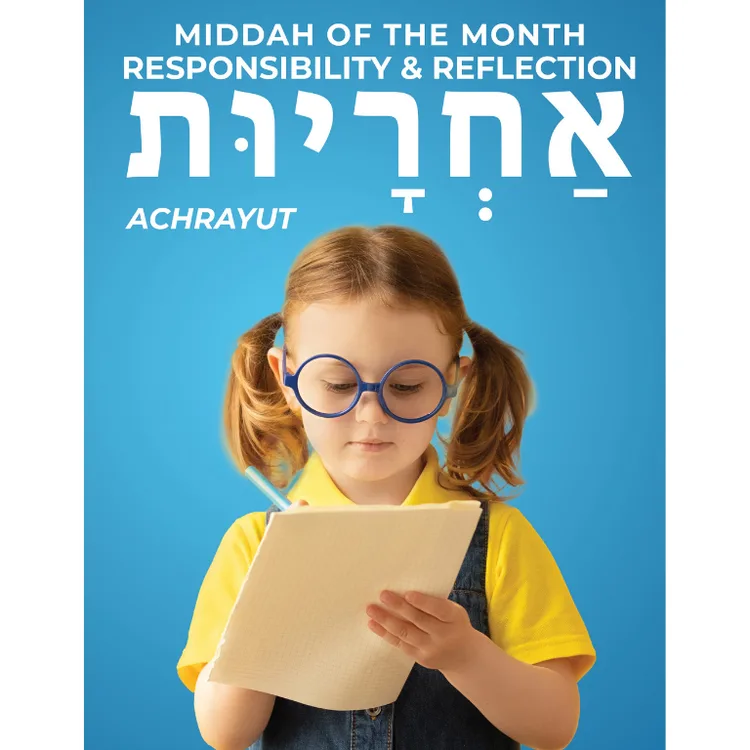
This month, our students will focus on the middah of achrayut (responsibility), exploring what it means to take responsibility for ourselves, for one another, and for the world around us.
Through meaningful conversations, classroom activities, and everyday interactions, students will learn that achrayut is expressed not only through our choices and actions, but through caring for others, keeping our promises, and recognizing the ways we can make a positive difference in our community and environment. In Parashah Bereshit, we learn that humanity was created after the rest of creation, reminding us of our responsibility to care for the earth and all that has been entrusted to us.
Rooted in Jewish teachings, including the Talmudic idea that “all of Israel is responsible for one another,” students will discover that responsibility extends beyond ourselves. We are responsible for supporting one another and helping each other follow through on our commitments. Through reflection, students will pause to consider questions such as, “When was a time that I helped someone?” and “When was a time that someone helped me?” As they recognize both the ways they contribute to others and the ways others support them, students will strengthen their sense of connection, gratitude, and responsibility, helping to build a community where everyone can rely on one another and grow together.
English Language Arts
Sukkot Storytelling with 1st Grade
First graders recently embarked on a literacy-rich exploration of Sukkot, discovering how Jewish holidays unfold in a continuous calendar cycle, each narrative seamlessly connecting to the next.
Through age-appropriate mentor texts, literary discussions, and creative responses, students studied the history and imagery of the sukkah, a temporary structure recalling the dwellings of the desert wanderers. Through story and dialogue, they analyzed key Sukkot symbols, including the lulav and etrog, and explored the thematic motif of hospitality through the tradition of welcoming guests, or ushpizin, into the sukkah.
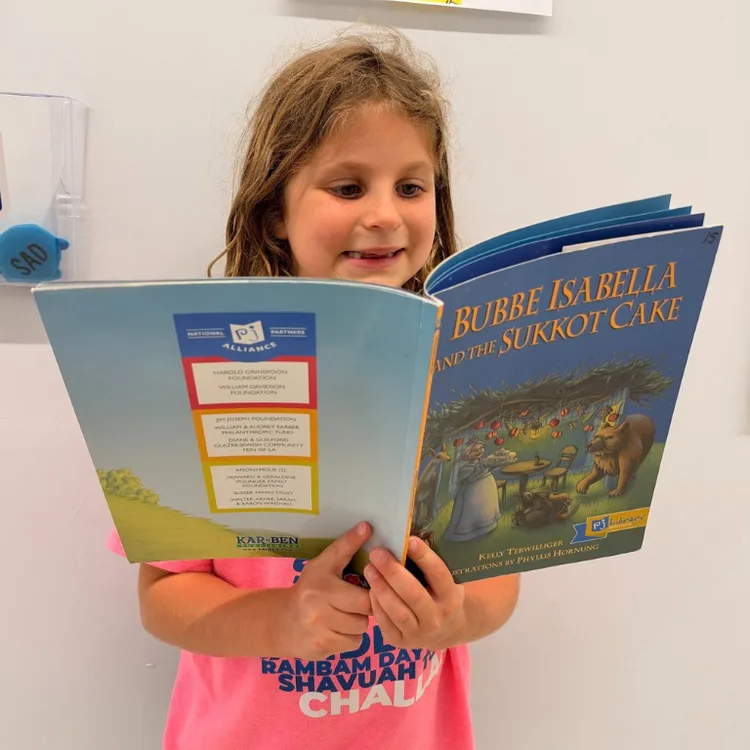
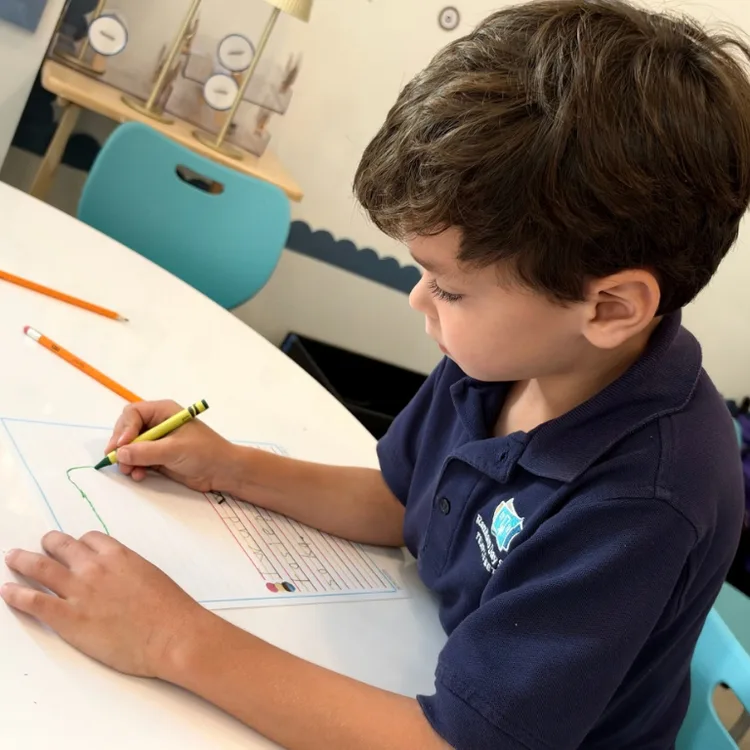
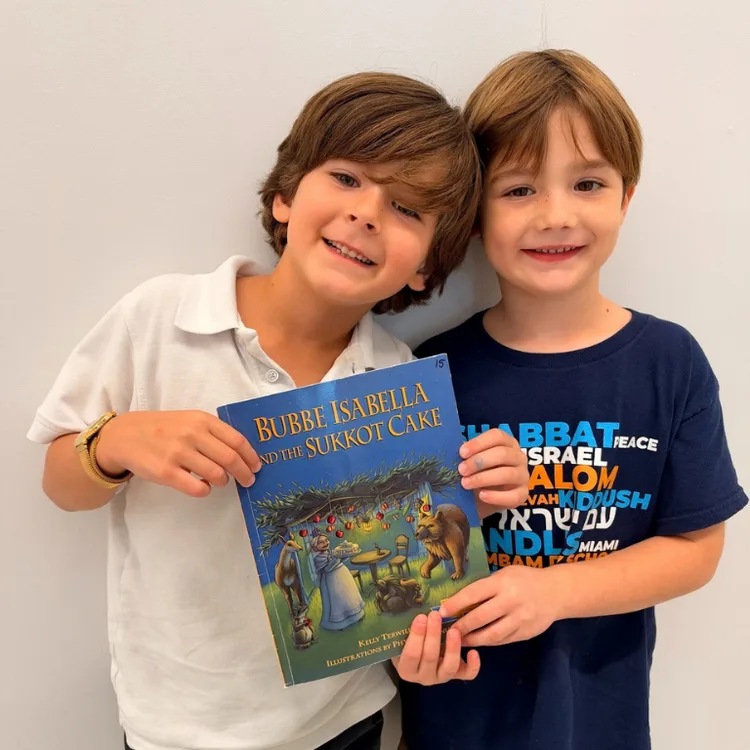
Students anchored their learning by brainstorming holiday symbols and reading Bubbe Isabella and the Sukkot Cake. This read-aloud served as a catalyst for meaningful discussions centered on character choices, hospitality, and communal celebration. Building on these literary themes, students engaged in Sukkot Bingo and illustrated their favorite sukkah traditions to demonstrate visual comprehension.
Throughout the unit, students refined their listening, speaking, reading, and analytical skills as they drew connections between textual themes, Jewish heritage, and their own lived experiences. Their literary journey was further enriched through music as they rehearsed Sukkot and Simchat Torah songs with Mrs. Berney, creating an interdisciplinary week filled with storytelling, song, and joyful learning.
Mathematics
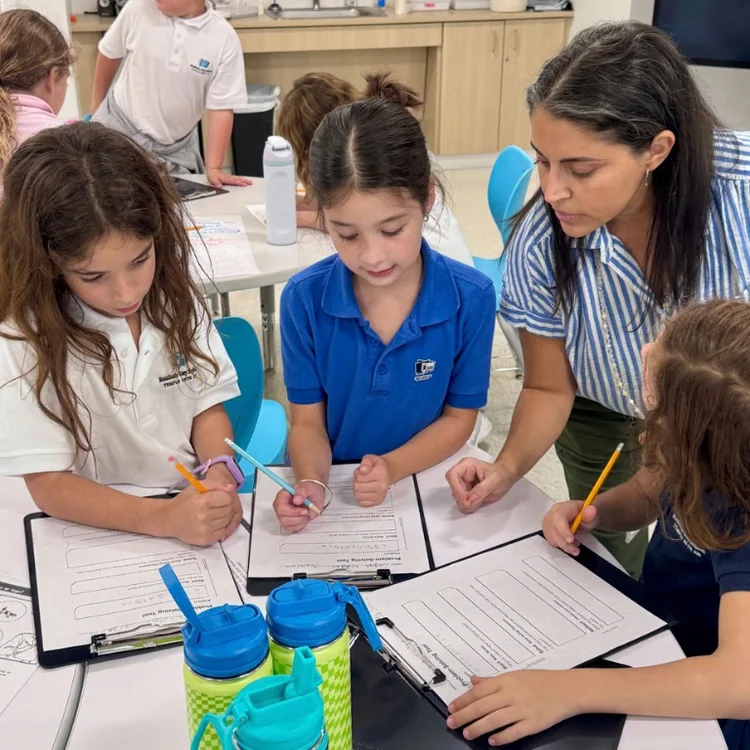
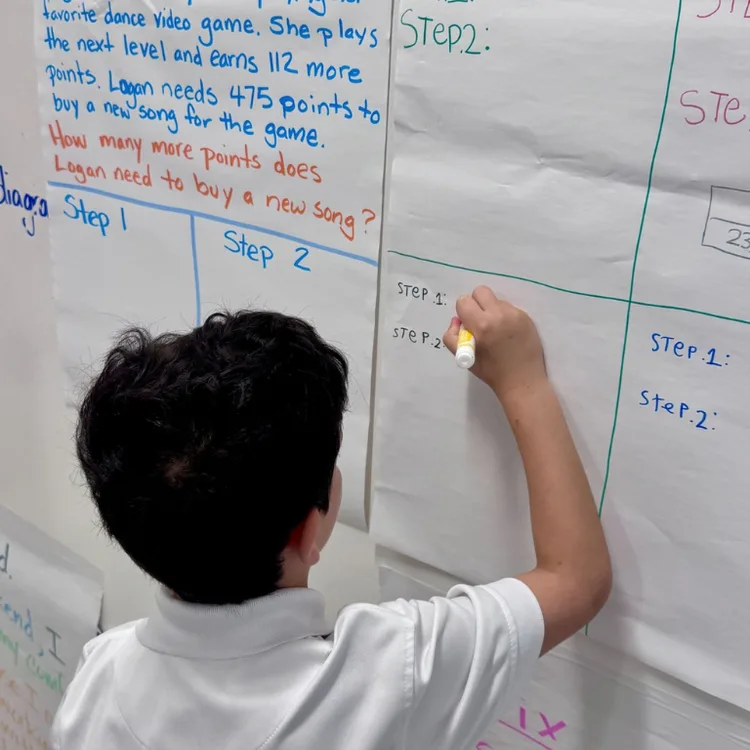
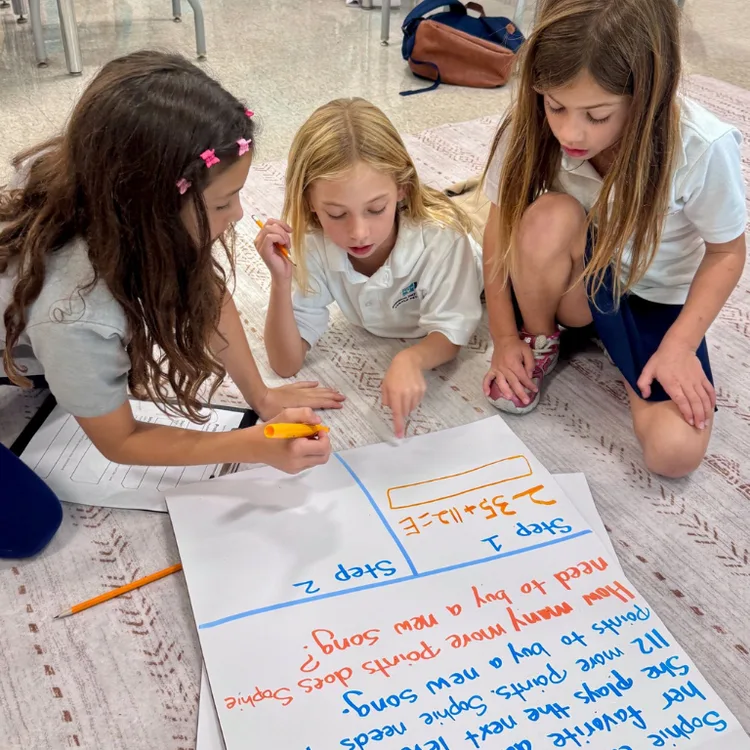
Two-Step Problem Solving with 3rd Grade
Third graders are putting their math skills to work as they explore how addition and subtraction can help solve real-world problems. Using two-step scenarios, students are learning to look beyond the numbers, identify what a problem is asking, and determine the steps needed to find a solution.
As they work through each challenge, students break complex problems into smaller, more manageable parts and represent their thinking with equations. They are also discovering that there can be more than one way to approach a problem. By sharing strategies with classmates, explaining their reasoning, and listening to different perspectives, students are building both their mathematical understanding and their ability to communicate their thinking.
Estimation adds another important layer to the process, giving students a way to pause and ask, “Does my answer make sense?” These habits are helping our third graders become more confident and flexible problem-solvers, skills that extend far beyond the math classroom.
STEM SPOTLIGHT
Exploring Physical Properties with Kindergarten
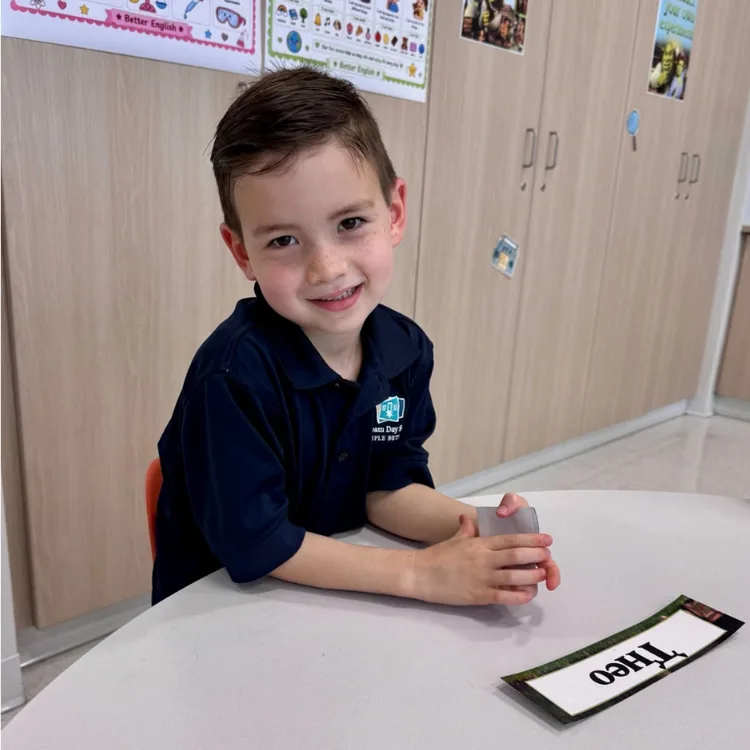
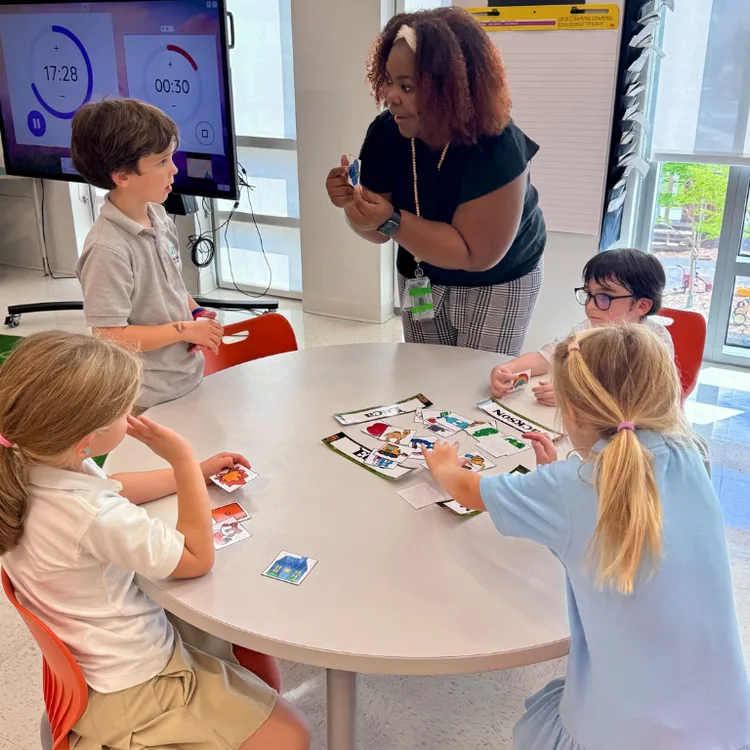
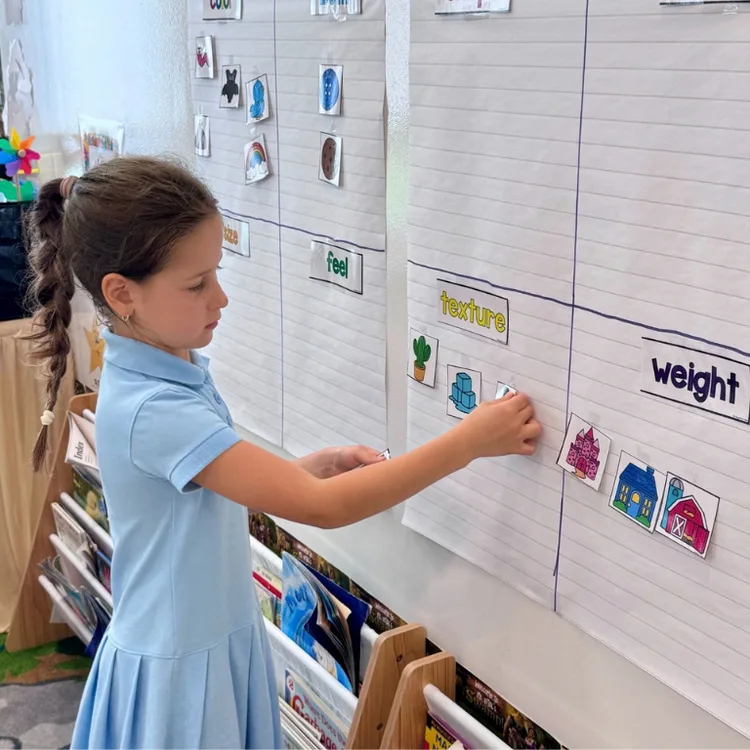
Our kindergarteners are thinking like scientists as they explore the physical properties of the objects around them. Through hands-on investigations, students are looking closely, touching, comparing, and describing everyday objects based on characteristics such as color, size, shape, texture, and weight.
As they investigate, students are discovering that objects can be sorted and classified in many different ways. They might group objects by shape during one activity and then look at the very same objects through a new lens, sorting them by size, texture, or another shared characteristic. Along the way, they are practicing how to explain their thinking, listen to their classmates’ observations, and use new scientific vocabulary to describe what they notice.
These early science experiences are about more than identifying what makes an object smooth, rough, heavy, or light. By slowing down to observe details, compare what they discover, and use evidence to support their ideas, our kindergarteners are building the curiosity and critical-thinking skills that are at the heart of scientific learning.
Social Studies
Immigration Through Family Stories with 5th Grade
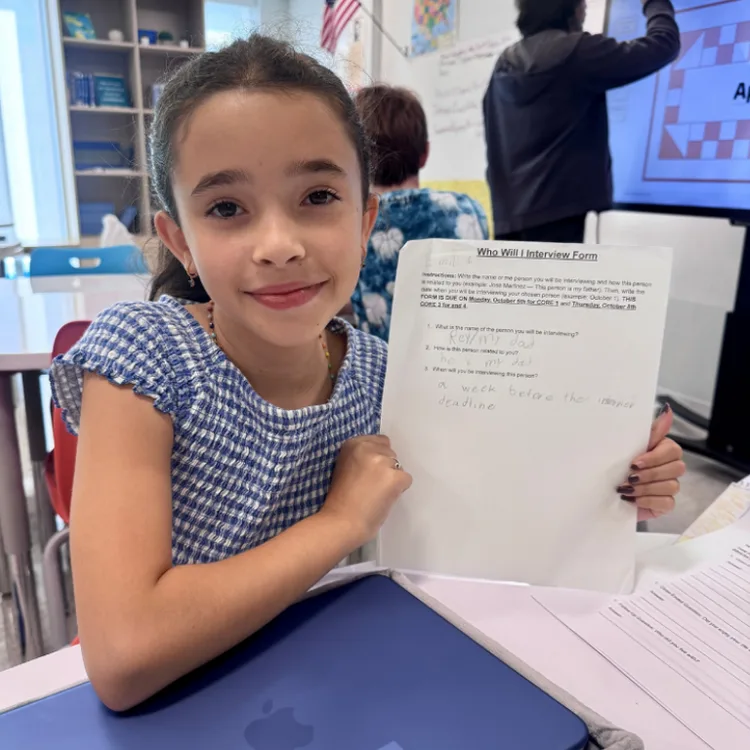
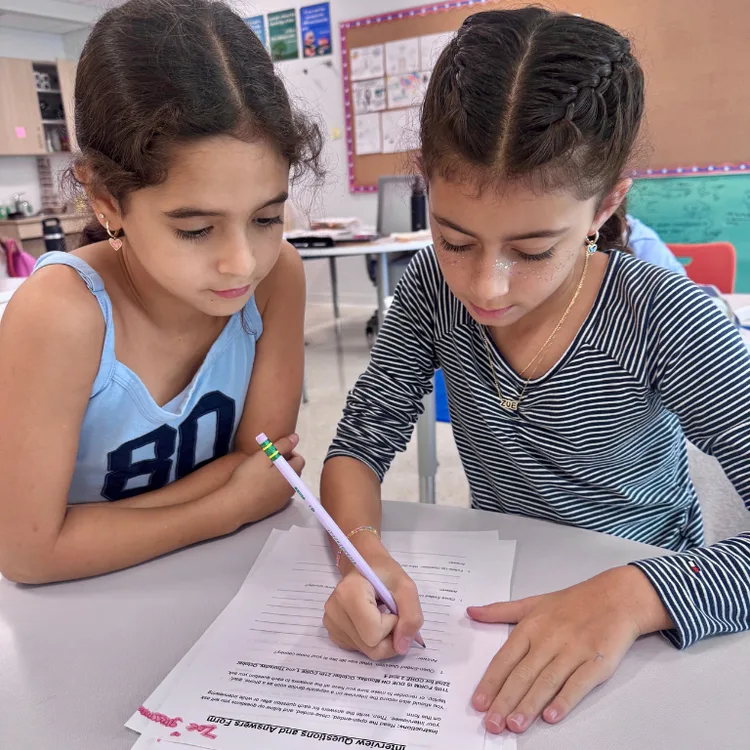
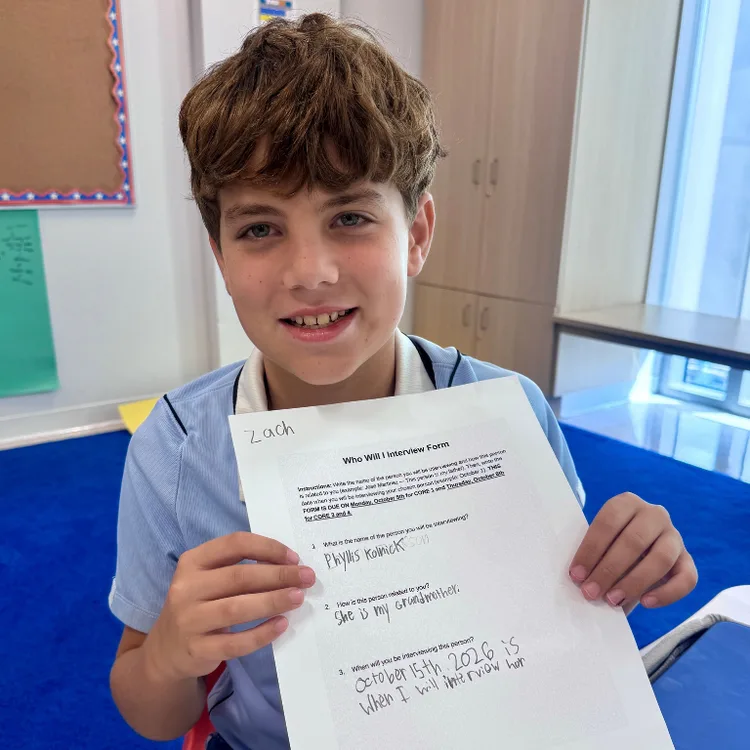
Fifth graders are exploring immigration through a powerful lens: personal stories. As part of their immigration project, students are interviewing a family member or friend to learn more about their experiences, including life in their home country, the reasons they immigrated, and the journey of building a life in a new place.
Before conducting their interviews, students are learning how to ask thoughtful questions and how different types of questions can shape a conversation. They are practicing the difference between open-ended questions, which invite someone to share stories and experiences, and closed-ended questions, which help gather specific information. Through this process, students are strengthening their research and communication skills while learning the importance of listening carefully and approaching someone else’s story with curiosity and respect.
These conversations are also helping students connect their classroom learning to the experiences of people within their own families and communities. After completing their interviews, students will use what they have learned to create a brochure highlighting the country, experiences, and immigration journey of the person they interviewed.
All of this learning will come together next month for Immigration Day, when fifth graders will have the opportunity to share their work and celebrate the many stories, journeys, and perspectives they have discovered throughout the project.
HEBREW
Sukkot Scavenger Hunt with 2nd Grade
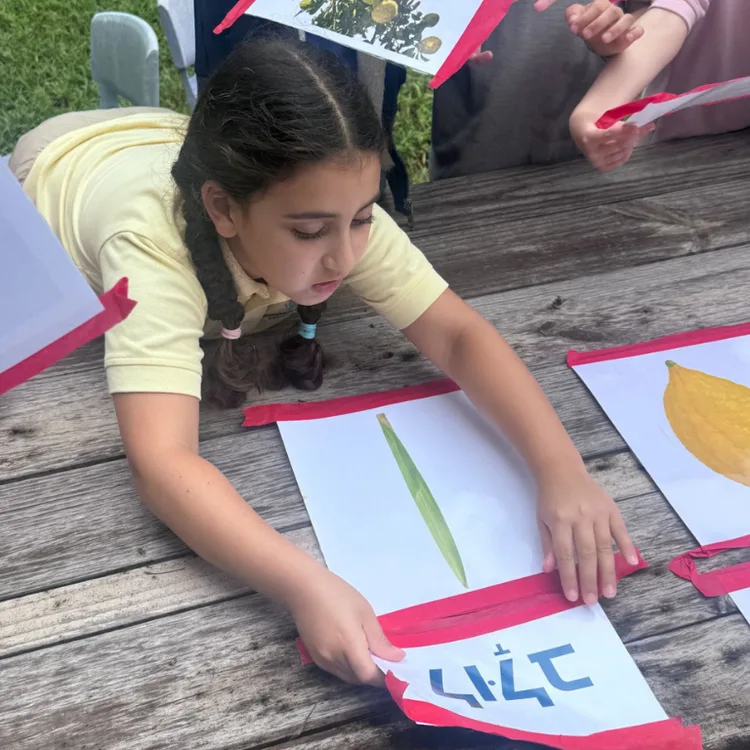
Second graders recently explored Sukkot through an engaging Hebrew scavenger hunt that combined language learning, movement, and hands-on discovery.
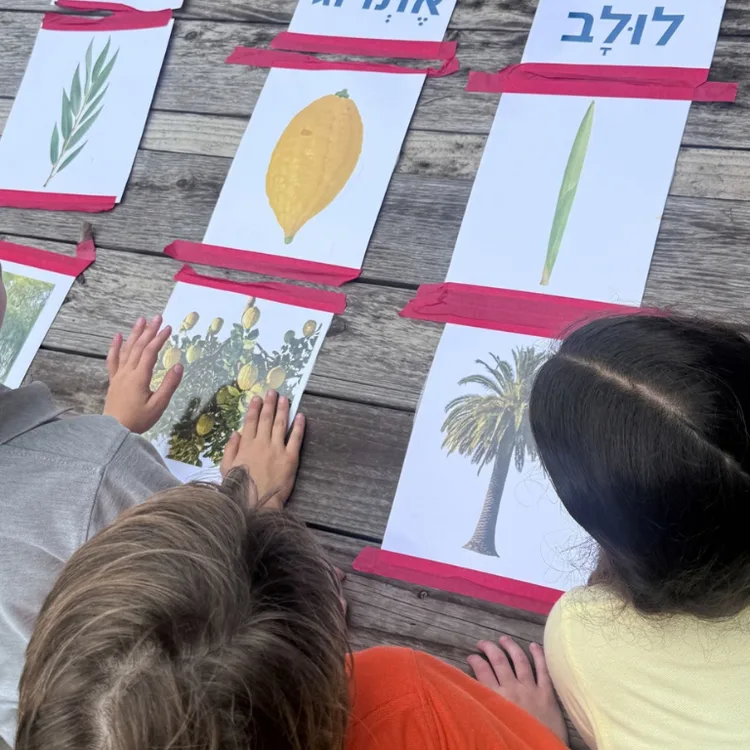
Through the scavenger hunt, students practiced reading Hebrew words and connecting them to familiar Sukkot symbols. Their first clue led them to find different symbols and Hebrew words, and students worked together to match each Hebrew word to the correct symbol. This activity strengthened their Hebrew vocabulary while helping them make meaningful connections between words and images.
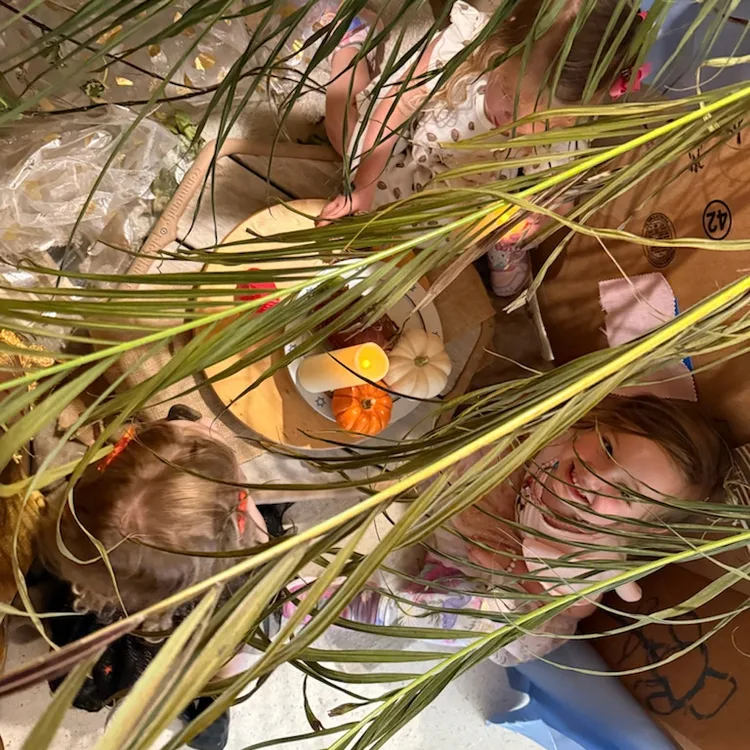
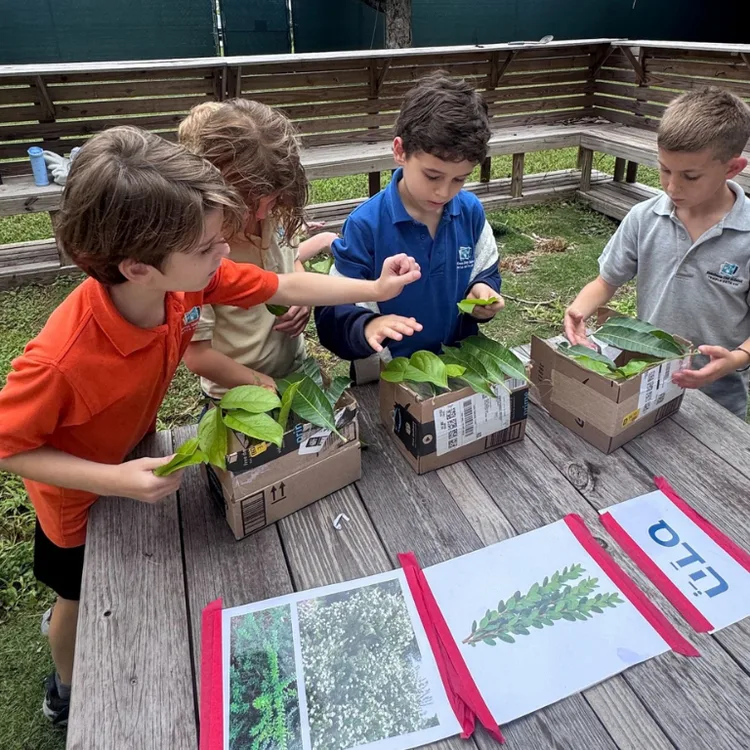
Students then read their next clue in Hebrew, which guided them to search for natural elements used to build the roof, or s’chach, of a sukkah. Working together, they found leaves to place on top of a mini sukkah made from a box. As they followed each Hebrew clue, students practiced reading and comprehension while using their language skills to complete each step of the hunt.
Throughout the activity, students strengthened their Hebrew vocabulary, reading skills, and understanding of Sukkot. By connecting Hebrew words to symbols, clues, and real-world objects, students experienced Hebrew as an active and meaningful language while celebrating the holiday through exploration and discovery.
ART
Lines That Listen with 4th Grade
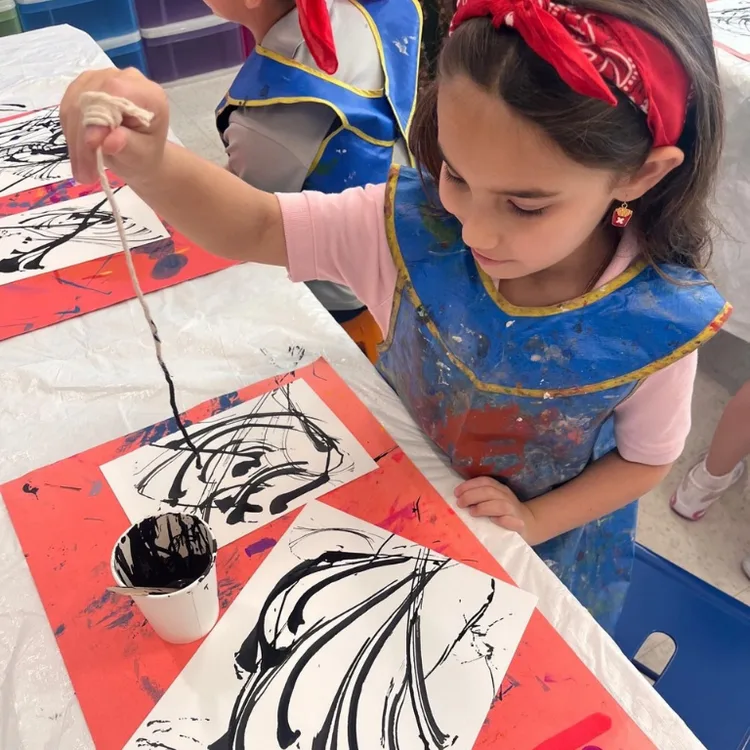
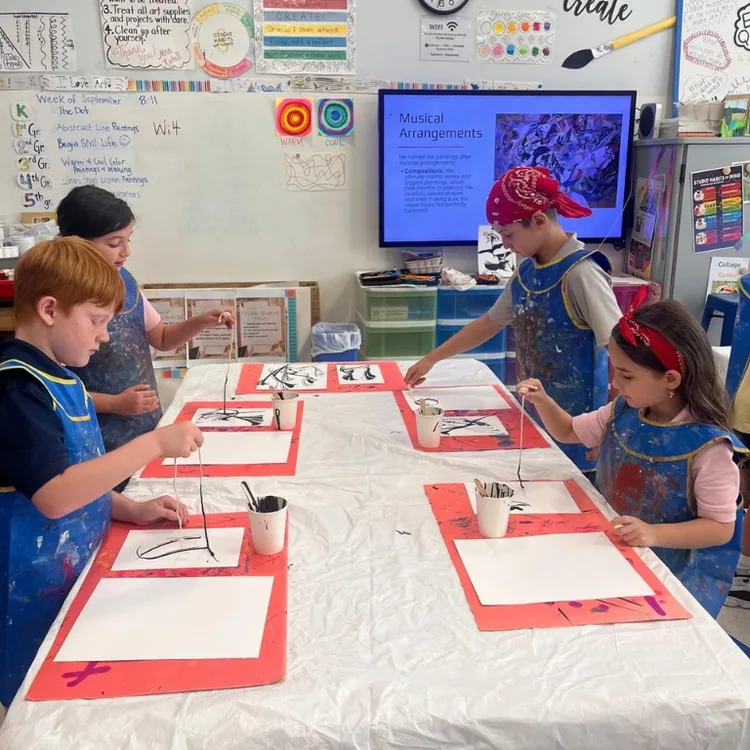
Fourth graders are exploring the powerful connection between art and music in their latest lesson, “Lines That Listen.” Inspired by artist Wassily Kandinsky’s belief that art and music are deeply connected, students began with a brief mindfulness exercise, slowing down and listening carefully to the sounds around them before making any marks. This intentional start encouraged students to think about how sounds, rhythms, and emotions can be translated into visual forms.
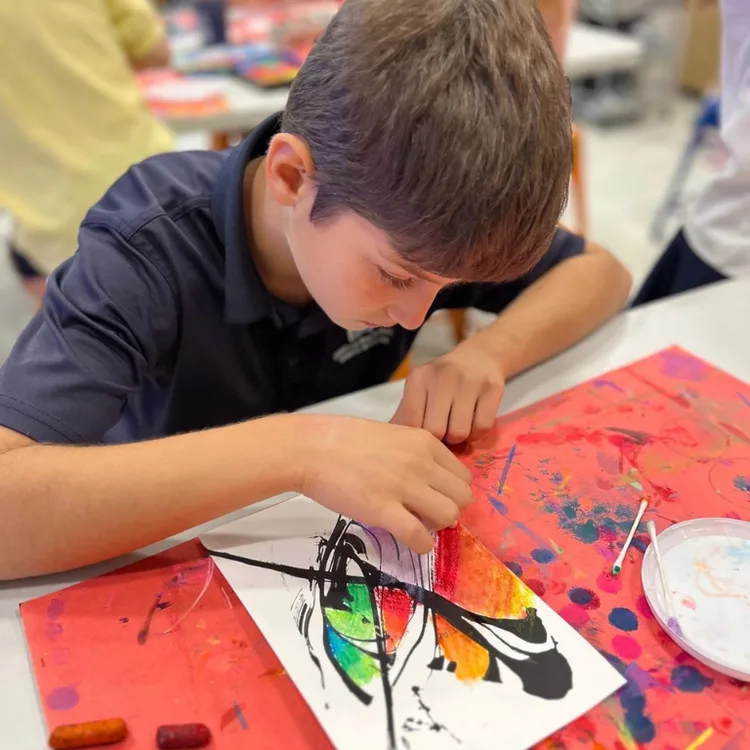
Throughout the experiment, students discovered that lines can communicate movement, rhythm, energy, and emotion, similar to how musical notes come together to create a melody. Using string dipped in India ink, students pulled and dragged the string across their paper, allowing the movement of the string to create unexpected, dynamic marks. They then built upon these abstract compositions with vibrant, layered colors with a variety of painting techniques to transform their spontaneous lines into rich visual “symphonies.”
This lesson invites students to combine mindfulness, artistic expression, and creative risk-taking while discovering new ways to communicate through art. The innovative approach behind “Lines That Listen” is also being recognized beyond our classroom, as our art teacher, Mrs. Villalba, has been invited to facilitate this lesson for fellow art educators at the Florida Art Educators Association (FAEA) State Conference in October.
Conscious Connections
Everyday Practices, Lasting Skills!
This year, Rambam Day School is integrating Conscious Discipline into our social-emotional curriculum. This approach helps children develop important skills like self-regulation, problem-solving, communication, and connection through intentional everyday interactions and routines. Each month, Conscious Connections will give you a quick look at one of these practices and how it is showing up in our classrooms and school community.
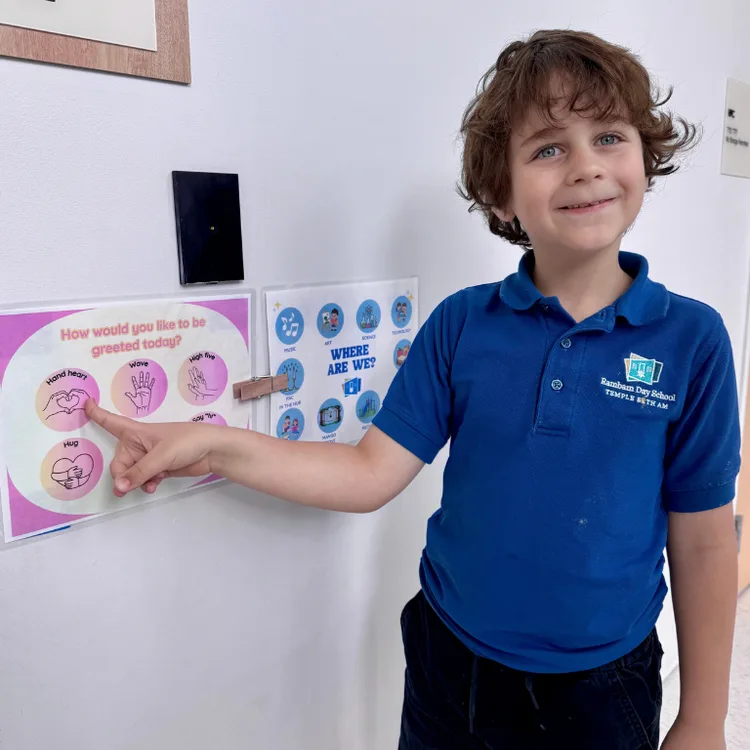
This Month: Classroom Greetings
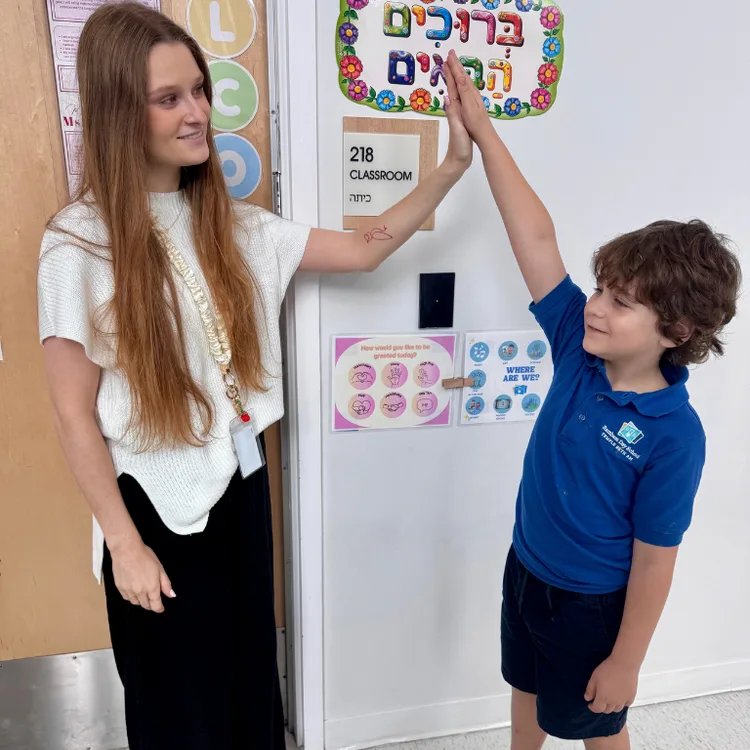
A warm welcome can set the tone for the entire day. Students are invited to choose how they would like to be greeted when they enter the classroom, whether it’s a high five, handshake, hug, wave, or another special greeting.
This simple daily routine gives students a sense of choice while strengthening their connection with their teacher and classroom community. It’s one of the many small, intentional ways we are helping students feel seen, connected, and ready to learn.
Early Childhood:
Sukkot and Simchat Torah Learning
Our Early Childhood students celebrated Sukkot and Simchat Torah through the songs, stories, traditions, and hands-on experiences that make Jewish learning so special.
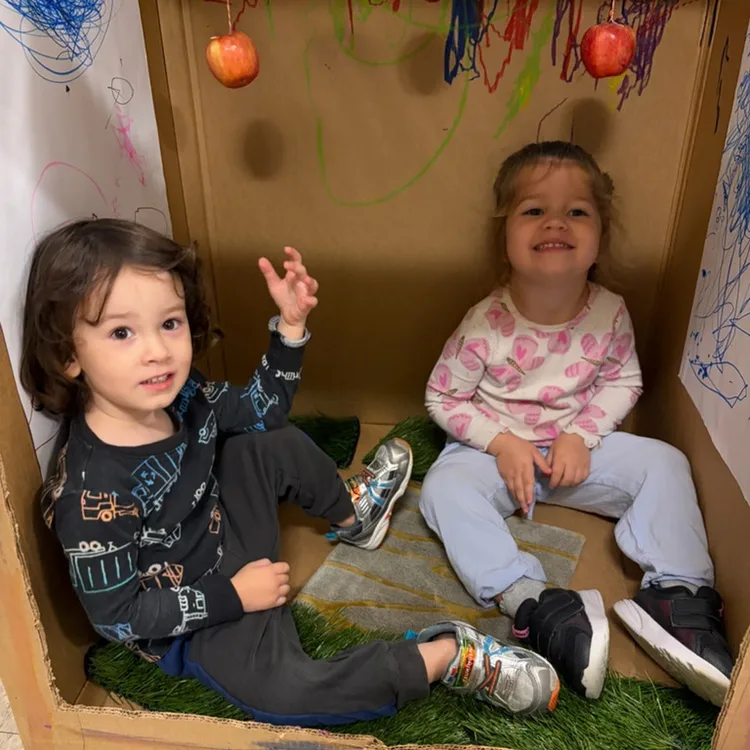
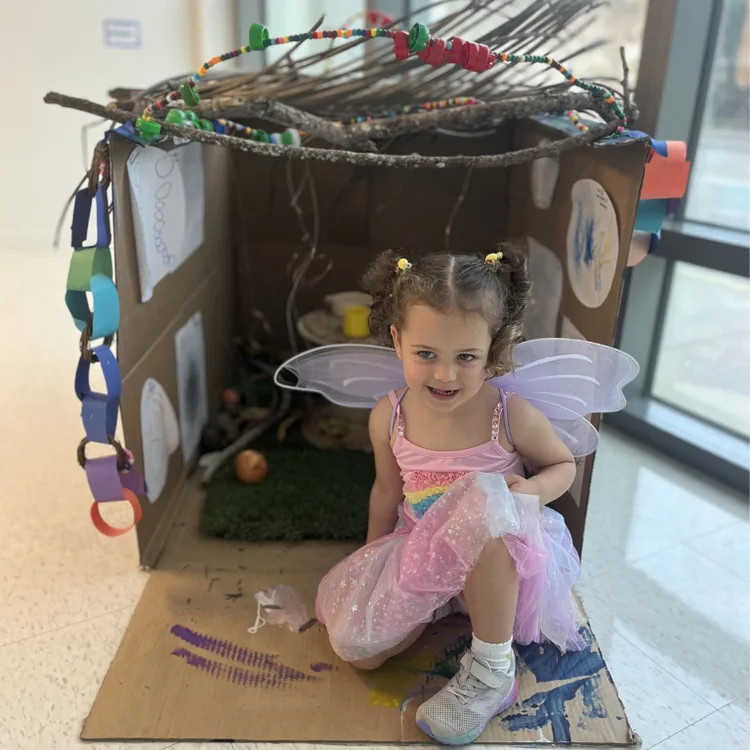
For Sukkot, each class created its own sukkah, giving students a chance to explore what a sukkah looks like, how it is built, and why we celebrate inside this temporary structure. Students also visited our school sukkah, where they explored the decorations, spent time together, and experienced this special tradition as a community.
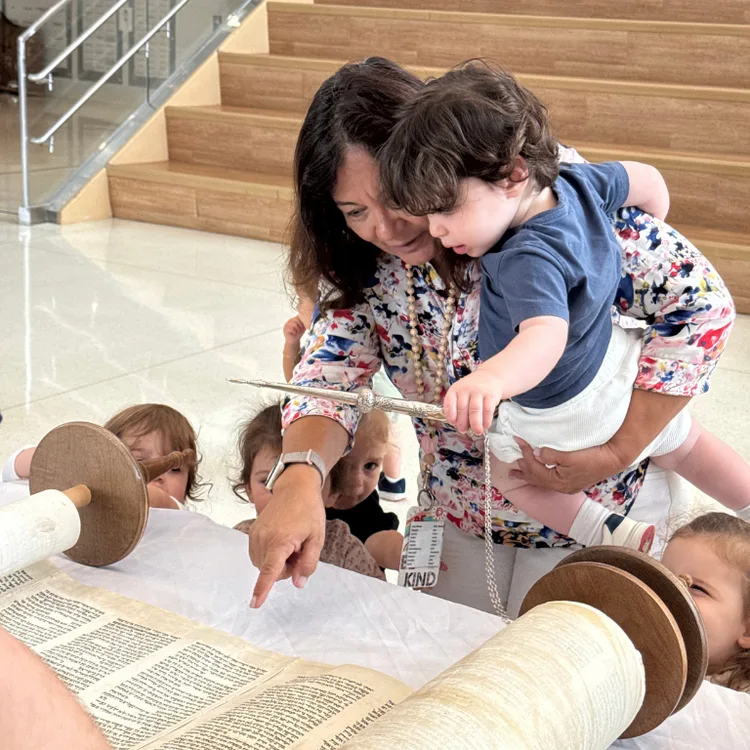
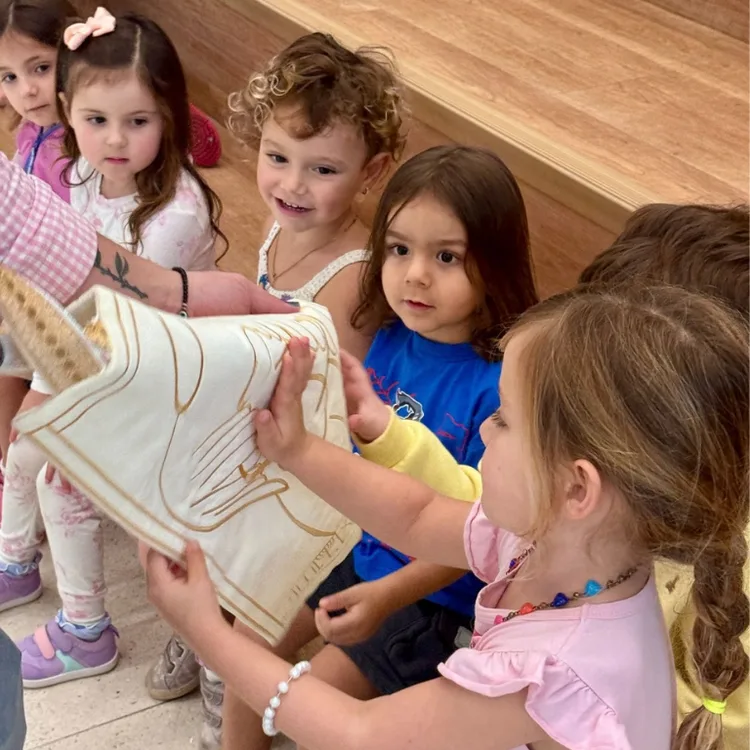
The celebration continued with Simchat Torah! Through music and song with Mr. Bornstein, students experienced the joy and excitement of celebrating the Torah. They also had the special chance to see a Torah up close, explore its scrolls, and learn more about why the Torah holds such an important place in Jewish life.
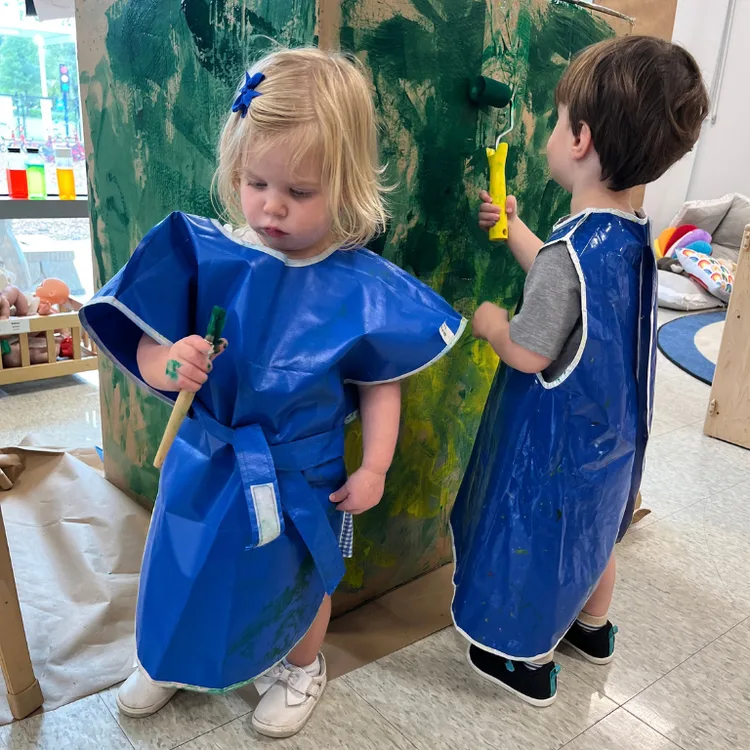
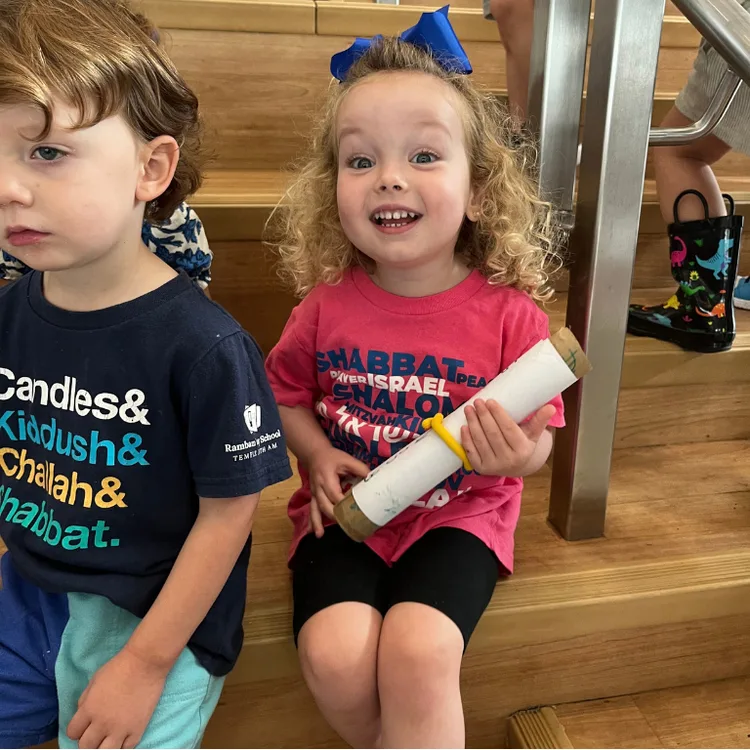
Experiences like these allow our youngest students—from 18 months through our 4s—to begin building their Jewish identity in ways they can see, hear, touch, and experience. Whether building a sukkah, singing a holiday song, or gathering around the Torah, our students are developing an early connection to the traditions and celebrations that bring our community together.
18 months
2's
3's
4's